CFPs: Fantasy, Irish literature, religion, the occult, Islam, horror, Shelley, the Inklings

CFPs for some exciting conferences ahead.

1. Once and Future  Fantasies conference, Centre for Fantasy and the Fantastic (CFF) at the University of Glasgow, 13 –17 July 2022. Deadline: 22 October 2021 

We therefore ask how fantasy and the fantastic engage with past global traditions whilst seeking and constructing new myths capable of taking account of the strange days we are living through. The conference also seeks to address the past(s), present and future(s) of fantasy and the fantastic as modes of artistic expression and creativity. 

2. ‘Caliban’s Mirror’: The 2022 Wilde and Joyce Symposium, 5-6 May 2022, Trinity College Dublin. Deadline: 15 October 2021

Never before has there been an academic conference on the relationship between these two Irish writers. Perhaps even more startling to those familiar with ‘the Joyce industry’ will be the knowledge that there has never been an edited collection of essays on Joyce and Wilde. [. . .] It is our intention to publish a selection of papers from this symposium in order to fill this obvious gap.
The 2022 Wilde and Joyce Symposium welcomes papers that bring these two Irish writers together in innovative ways.

3. Religion, Spiritualism and Occultism in Irish Literature from the Nineteenth Century to the Present, on line, 7 to 8 January 2022. Deadline: 7 November 2021

This conference seeks to explore the intricate patchwork of spiritual and religious practices, occult and esoteric beliefs, and spiritualist endeavours found in Irish literature from the nineteenth century and up to the present.

4. Glasgow International Fantasy Conversations (GIFCon) 2022: Fantasy Across Media, Centre for Fantasy and the Fantastic, University of Glasgow, online, 27-29 April 2022. Deadline: 3 December 2021

GIFCon 2022 is a three-day virtual conference that seeks to examine the myriad narrative possibilities afforded by fantasy across media. We welcome proposals for papers relating to this theme from researchers and practitioners working in the field of fantasy and the fantastic across all media, whether within the academy or beyond it. 

5. The Inklings and Horror: Fantasy’s Dark Corners, The Mythopoeic Society, on line, 4-5 February 2022. Deadline: 15 November 2021

The Mythopoeic Society invites paper submissions for an online conference that focuses on the connections between and among Inkling authors and the literary tropes of the horror sub-genre of speculative fiction, to be held through Zoom and Discord February 4-5, 2022. 

6. Islamic Perspectives on Exotheology, Virginia Commonwealth University, on line, 10-11 May 2022. Deadline: 31 December 2021

With increasing interest and attention given toextraterrestrial life in contemporary developments and discourses, Islamic perspectives onexotheology have become a niche area that require due attention. This conference aims to fillthis gap by inviting scholars from all over the world and from different backgrounds to helpmake sense of this relatively unexplored territory. We believe this exploration will elevateIslamic discourses that are directly engaging with contemporary questions

7. Shelley200: Percy Bysshe Shelley’s Final Years and Afterlives, The Nightingale Room at Keats House, Hampstead, London, 8-9 July 2022. Deadline: 7 February 2022

The Shelley Conference will celebrate the achievements of a major Romantic poet, but also his various afterlives. We invite papers on Shelley’s last two years in Italy (his work, thought, life, friendships, and reading), but also on matters of Shelleyan reception: Shelley editing, and networks of influence, including the political, the musical, and the visual.
Posted in CFP (Conferences) | Tagged , , , , , , , , , , , , , | Leave a comment

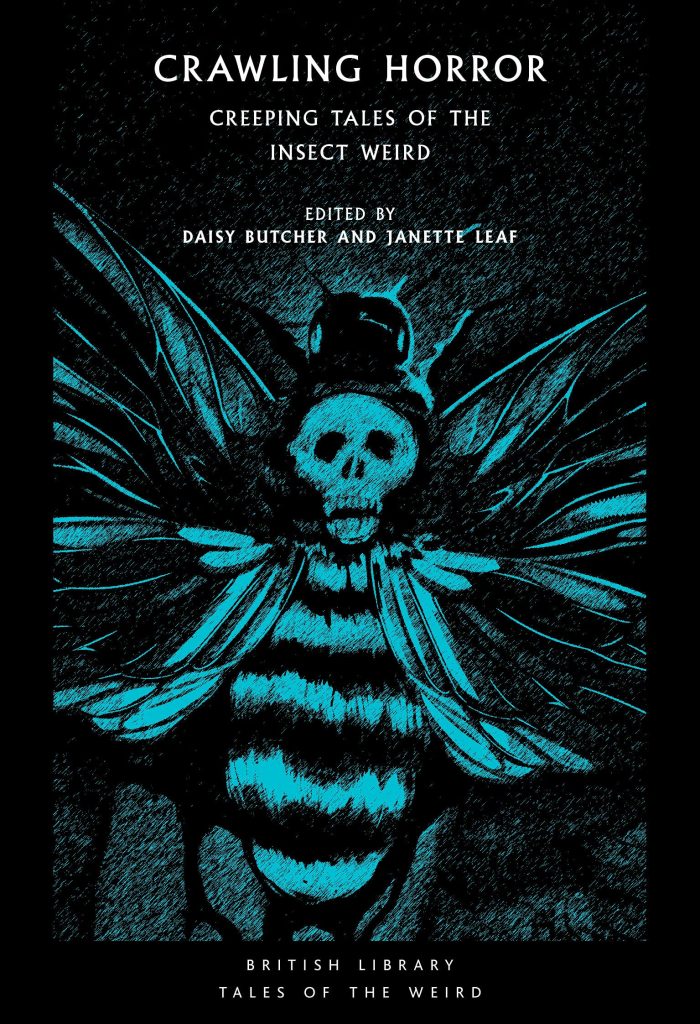
Crawling Horror: Creeping Tales of the Insect Weird

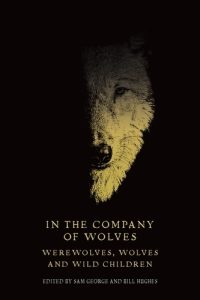
Daisy Butcher, a member of OGOM and PhD student of Dr Sam George, has collaborated with friend of OGOM and University of Hertfordshire alumna, Janette Leaf to put together an exciting anthology of insect themed stories for the British Library’s well-known ‘Tales of the Weird’ series. The creation of this book is indebted to the Open Graves, Open Minds Project as Daisy and Janette met at their Company of Wolves conference in 2015 and then had the idea to work together on an insect collection at their Polidori Symposium in 2019. With Daisy’s experience putting together a previous collection on killer plants called Evil Roots: Killer Tales of the Botanical Gothic (British Library, 2018) and Janette’s expertise in Insect Gothic, they have thoroughly enjoyed working together throughout lockdown. The anthology encompasses many genres and writers from Victorian Gothic to science-fiction on the subject of insects. Their overlapping interest in Egyptian Gothic and mummy curse tales from their PhD research proved fruitful for the collection as there are four Egyptian themed insect stories in the book. As well as bringing these stories they knew from their PhD research, Daisy and Janette both trawled through archives of old Victorian literary magazines and pulp science-fiction to find lesser-known authors and tales. Daisy and Janette co-authored the introduction and headnotes for the collection, touching on what the ‘Insect Weird’ means to them, where the irrational fear of insects comes from, biographical information about the authors, and the key themes throughout. In line with the Open Graves, Open Minds ethos, they were also keen to feature positive examples of literary insects. While they wanted to allow people to get a good scare off these creepy crawlies, indulging their entomophobic tendencies in a safe space, they also wanted to make people aware of this unfair prejudice against insects. In this collection, some insects aren’t as monstrous as they appear, some do the bidding of others, some are only doing what is natural for an animal to do, some give gifts, and some even save lives.

You can catch Daisy and Janette talking about the book at various events this Halloween including:

Here are more details of the book and how to order it on the British Library page:
https://shop.bl.uk/products/crawling-horror-creeping-tales-of-the-insect-weird

Posted in Publications | Tagged , , , , | Leave a comment

CFPs: Fairy tales and fantasy, The Neverending Story, theology, vampires, Asian Gothic, women and Satanism

Quite a few calls here for journal articles and chapters in edited collections.

1. CFP: Fairy Tales and Fantasy Fiction / Contes de fées et Fantasy, Fantasy Art and Studies journal. Deadline: 25 October 2021 (in French or English)

For its 12th issue, the journal Fantasy Art and Studies invites researchers to submit papers on the relationship between Fantasy and fairy tales. Topics may include:

the place of the fairy tale in the development and theorisation of Fantasy,
rewritings of fairy tales in Fantasy,
Fairy-tale Fantasy and women’s and/or feminist writing

2. Call for Papers (Edited Collection): Teaching with Fairy Tales. Deadline: 15 October 2021

Teaching with Fairy Tales is a collection of essays that discuss the many ways to use fairy tales and folklore in classrooms at all levels. We are soliciting contributions of chapters focusing on classroom uses for fairy tales and/or folklore in any field. While lessons for any level of education are welcome, activities that can be adapted to more than one age group are preferred. 

3. Mapping the Impossible: Journal for Fantasy Research. Open for submissions for second issue, to be published in March 2022

Mapping the Impossible is an open-access student journal publishing peer-reviewed research into fantasy and the fantastic.
We welcome submissions from undergraduate and postgraduate students (and from those who have graduated within the last year) from any higher education institution. We publish articles on any aspect of fantasy and the fantastic and any work within this transmedial genre. Increasingly, students from more established disciplines (including, but not limited to, Literature Studies, Game Studies, Film and Television Studies, Media Studies, Philosophy and Theology) elect to write essays on a fantasy related topic that intersects with their primary discipline

4. Many Doors to Fantastica: The Neverending Story & the Education of the Imagination. Deadline: 3 October 2021

The multifaceted framework of Ende’s story helps to shape the interdisciplinary approach of this collection. The lines between reality and fiction, between characters, and between purposes are all blurred in such a way that there is much to mine from the stores rich layers. This volume hopes to do the same by investigating the text from a variety of viewpoints, as well as offering pedagogical approaches for the classroom. It also seeks to highlight the various media representations of Ende’s story, including the films and cartoon adaptations.

5. Call for Papers: Theology and Vampires (edited collection). Deadline: 1 November 2021

Given the richness of theological substratum in vampire fiction, we invite submissions for a collected volume entitled Theology and Vampires, for the Theology and Pop Culture Series published by Lexington Books/Fortress Academic. The aim of this volume is to explore the theology of vampires, with a particular focus on the pop culture aspect of vampire narratives. We are seeking essays exploring the theological implications of the vampire across a wide range of media, from popular Victorian tales through to films, video games, and animated series.

6. Religion and Victorian Popular Literature and Culture, a special issue of Victorian Popular Fictions Journal (Autumn 2023). Deadline: 1 November 2021

This special issue will explore manifestations of religion and the expression and representation of religious experience in popular culture texts of all kinds. [. . .] We welcome proposals that focus on popular narrative in all its forms arising from the long nineteenth century, and particularly encourage research that examines noncanonical and neglected poets, dramatists, novelists, journalists, journals, publishers, artists, critics and readers. We would be particularly interested in research concerning religious practices and experiences outside of Christian traditions

7. CFP: Asian Gothic special issue, The Wenshan Review of Literature and Culture. Deadline: 15 October 2021

We seek essays of 6000-10000 words that would broaden our understanding of the Gothic in Asia. Rather than considering the Gothic as a fixed western-centric genre or a rigidly defined aesthetical category, we propose to address it as a larger umbrella term: a conceptual framework through which distinctive local cultural practices, historical formulations, national and regional traumas, anxieties, collective violent histories and diverse belief systems are expressed. Whether understood as a localised version of international Gothic or part of a larger category of “globalgothic”, Asian Gothic can thus be read as a distinctive aesthetical and narrative practice, where conventional gothic tropes and imagery (monsters, ghosts, haunting, obscurity, darkness, madness etc.) are assessed anew, and where global forms get consumed, appropriated, translated, transformed, and, even, resisted.

8. Call for Papers: Edited Collection on Satanism and Feminism in Popular Culture. Deadline: 31 October 2021

We invite proposals from scholars at all stages of their careers on the intersection of Satanism and Feminism in twentieth- and twenty-first-century popular culture. 

Posted in Call for Articles | Tagged , , , , , , , , , , , | Leave a comment

Events: Crawling Horrors, Gothic Revolutions

Two exciting events coming up soon.

1. The first is from OGOM’s own Daisy Butcher, in collaboration with Janette Leaf. They are promoting their new book, Crawling Horrors, and this is one of several events–more news to come. The book is an anthology of Gothic/horror insect tales and is part of the fabulous series from the British Library, Tales of the Weird.

In Conversation with Daisy Butcher and Janette Leaf, 29 October 2021, 7:00 PM-8:00 PM, Books on the Hill, St Albans, UK

A moth wreaks a strange vengeance on an entomologist. Bees deliver a supernatural dilemma to a mother-to-be. This new anthology offers a broad range of stories from the long history of insect literature, where six-legged beasts play many roles from lethal enemies to ethereal messengers.

With expert notes on how each tale contributed to insect horror literature, Janette Leaf and Daisy Butcher are your field guides for a tour through classic insect encounters from the minds of Edgar Allan Poe, E. F. Benson, Clare Winger Harris and many more.

2. Gothic Revolutions (by The Gothic Women Project): An online seminar exploring the Gothic’s responses to revolutions in the Romantic period, with Dr Maisha Wester, 27 September 2021, 17:00–20:00 BST, online

Speakers:

Dr Maisha Wester (University of Sheffield), ‘Black Jacobins or Bloody Barbarians: the Haitian Revolution’s Gothic Impact’

Dr Christina Morin (University of Limerick), ‘Horrible tumults in Ireland’: Reading Rebellion in Irish Female Gothic

Dr Lauren Nixon (Nottingham Trent University), ‘A soldier for me’?: Framing British masculinity and nationality in women’s Gothic writing during the Revolutionary Wars

For our September event, the Gothic Women Project invites you to a seminar exploring how the Gothic responds to the realities and ideologies of revolution in the broader Romantic period. ‘Gothic Revolutions’ will explore how the work of women writers in particular intersects with revolutionary movements and moments across the globe. With papers exploring responses to the Haitian Revolution, the French Revolution, and rebellion in Ireland, we welcome discussion of how we can interpret the revolutions and upheavals of our own era by looking back to the late 18th and early 19th centuries.

Posted in Events | Tagged , , , , , , , | Leave a comment

A Gothic Cookbook: Celebrating food and drink across the best of the genre

Guest post by Ella Buchan, the Cookbook’s co-author

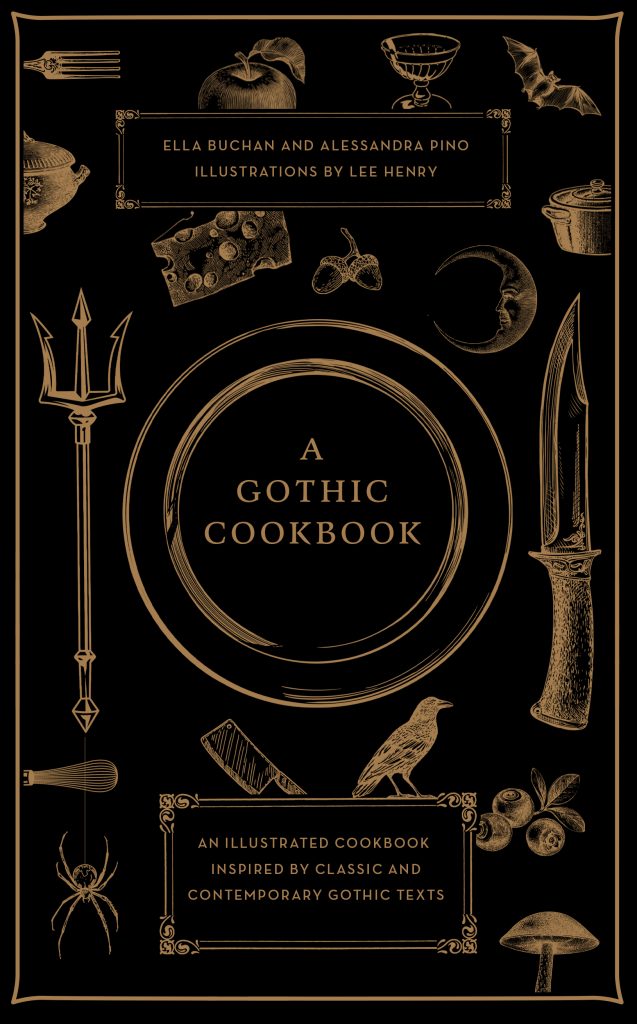
Ella Buchan and Alesasandro Pino, A Gothic Cookbook, illustrated by Lee Henry

Has devouring Dracula ever made you hungry? Perhaps Daphne du Maurier’s descriptions of revoltingly lavish afternoon teas in Rebecca have you craving crumpets, or Mary Shelley’s Frankenstein causes you to ponder the ethics of eating meat.

Perhaps not. Yet food writing, and the use of edible imagery, is abundant in Gothic literature, which is what A Gothic Cookbook is all about. I’m a food journalist and my co-author Alessandra Pino is a PhD candidate at Westminster, researching food and anxiety with roots in Gothic literature. The idea for the cookbook came about when we realised there wasn’t really anything quite like it: bringing together a diverse range of classic and contemporary stories, studying their edible symbolism and motifs, and then bringing those to life with recipes and illustrations.

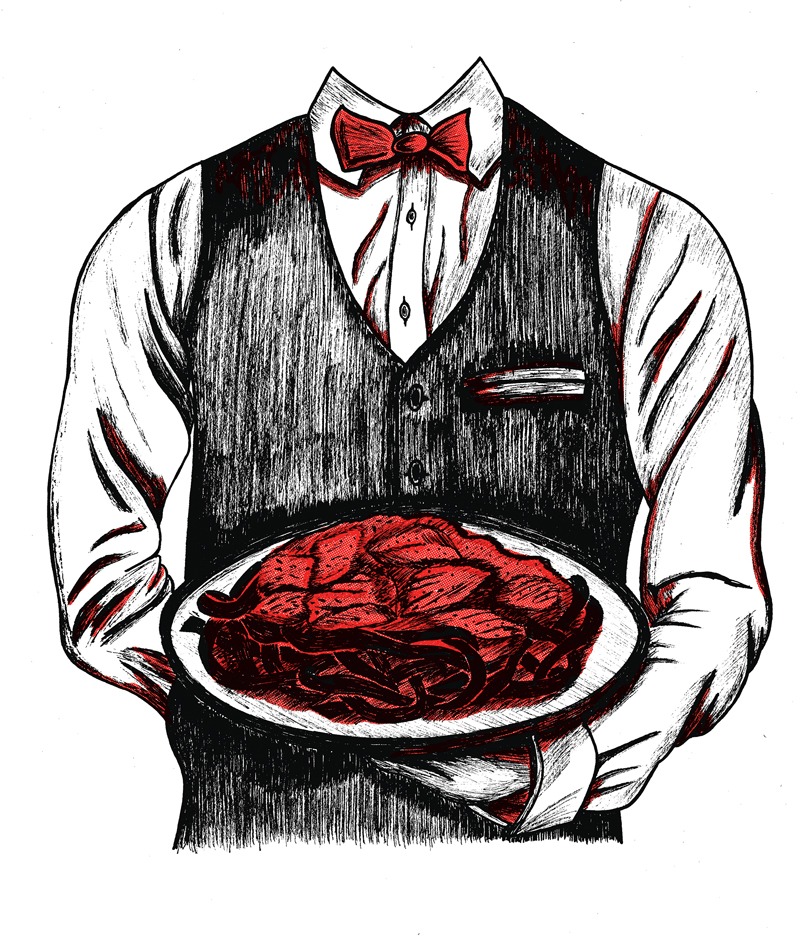
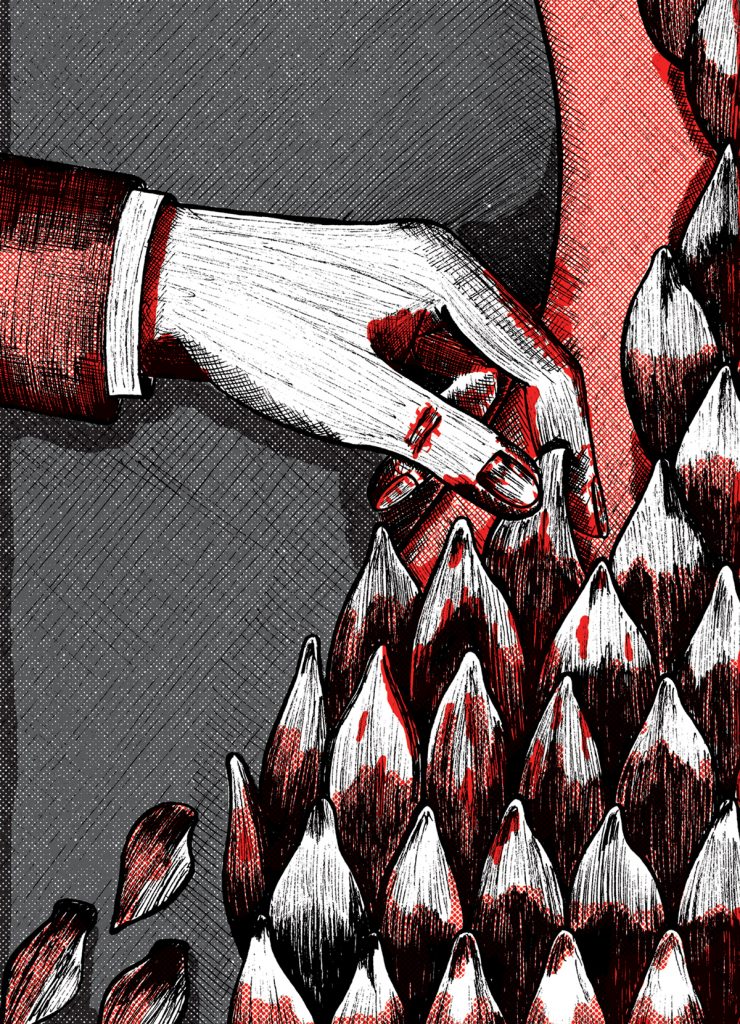
Each of 13 chapters focuses on an individual novel, novella or short story, with an essay discussing the author’s use of food and drink followed by around half a dozen recipes inspired by the text. The cookbook is illustrated throughout with original hand-drawings by our artist, Lee Henry.

In stories from Wilkie Collins’s The Woman in White to Shirley Jackson’s The Haunting of Hill House, food propels the plot, tightens the suspense, contrasts comfort with terror, or portends doom.

Afternoon tea at Manderley

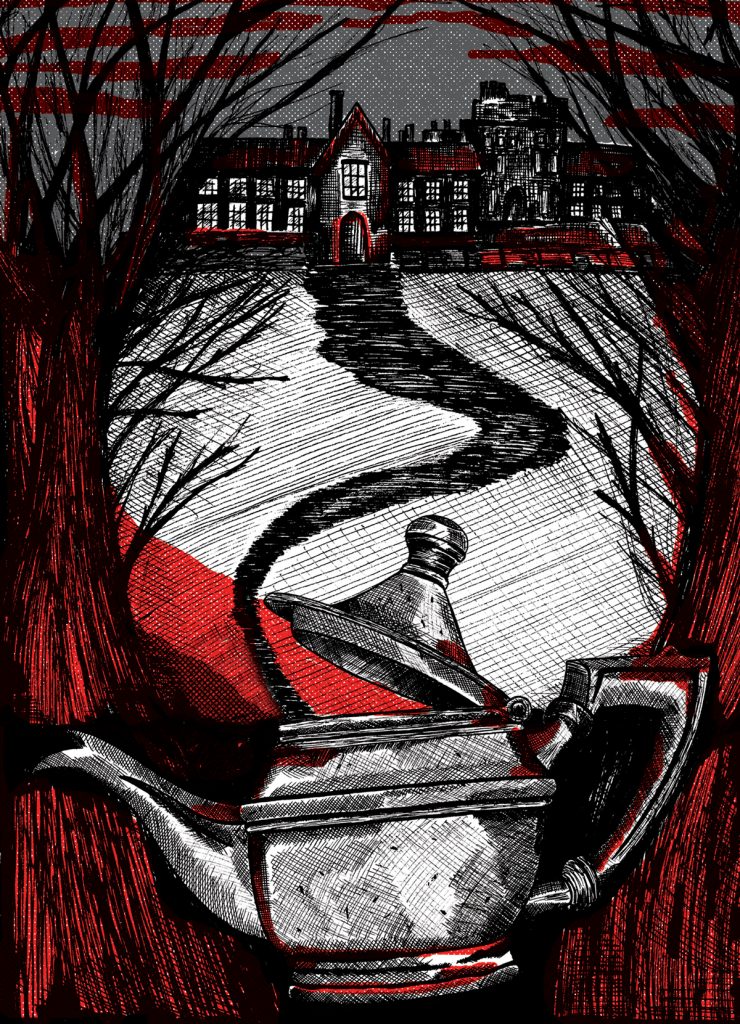
Our chapter on Rebecca (which we’ve made available to read online here) examines how food reinforces social status and stigma, is used to make the narrator squirm and, in the case of some bitter tangerine segments, signals a sharp warning. This chapter has recipes for ravioli, a tangerine sour cocktail, and the entire afternoon tea spread served daily, at “half past four”, at Manderley.

Chicken Paprikash from Dracula

Dracula inspires a Paprika Hendl recipe as eaten by Jonathan Harker (“get recipe for Mina”), Toni Morrison’s Beloved is all about a ghost’s hunger for “sweet things”, while The Haunting of Hill House has peach shortcakes, paranormal picnic spreads, and spatchcock chicken with radish-top pesto (based on “a bird, and radishes from the garden”).

The Bloody Chamber

Other chapters are dedicated to Angela Carter’s The Bloody Chamber, where food and feasts reflect cruelty, gluttony and a craving for comfort, and edible offerings and witchcraft in Ira Levin’s Rosemary’s Baby.

A Gothic Cookbook is signed with crowdfunding publishers Unbound, which means we need to raise the initial costs before it goes into production. You can help bring it to publication by pledging for a copy of the book, artwork and other merchandise from cocktail booklets to dinner party kits, here: https://unbound.com/books/a-gothic-cookbook/

You can also use the code REBECCA10 for 10% off pledges until the end of August, to celebrate the month Daphne du Maurier’s classic novel was published.

Follow updates on Twitter and Instagram at @AGothicCookbook

Posted in Books and Articles | Tagged , , , , , , | Leave a comment

The Cottingley Fairies: A Study in Deception, Treasures of the Brotherton Gallery, Leeds, 18 June 2021-17 November 2022

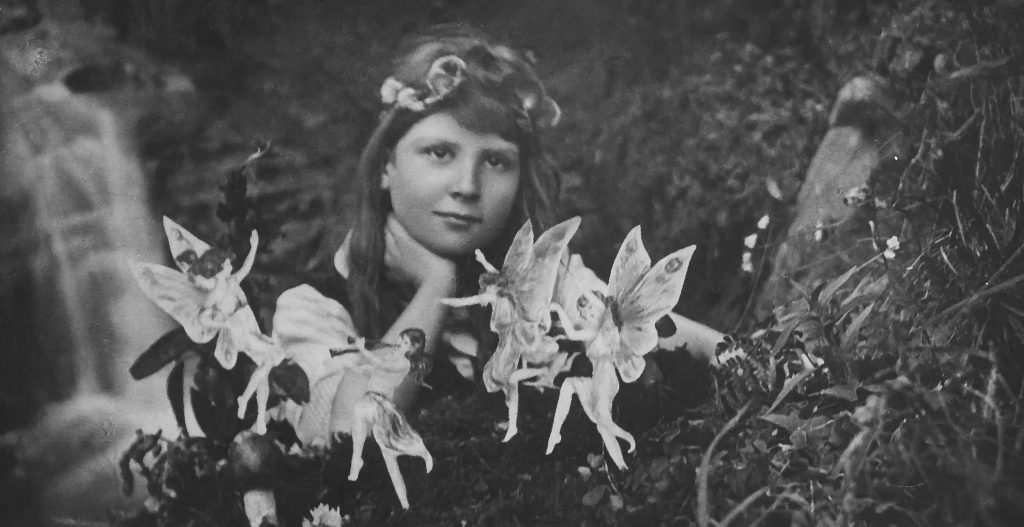
We’ve been eagerly anticipating this exhibition for a while! The Cottingley Fairies: A Study in Deception, Treasures of the Brotherton Gallery, Leeds, 18 June 2021-17 November 2022.

It is curated by Dr Merrick Burrow, who gave a fascinating plenary on the topic at OGOM’s recent Ill Met by Moonlight Gothic Fairies conference. Dr Sam George, too, has long been interested in the topic and her own research and her conference plenary draws on the story. The exhibition website says:

Just over one hundred years ago Sir Arthur Conan Doyle published the Cottingley fairies photographs in “The Strand Magazine”.

But how did the literary genius behind the detective mastermind Sherlock Holmes get fooled by fake fairies?

Now, you can discover the secrets behind the greatest hoax of the twentieth century in person or online!

Visit the Treasures of the Brotherton Gallery to explore items from the University of Leeds Special Collections, which holds nearly all of the most important documents and artefacts relating to the Cottingley fairies. 

There are images from the exhibition here.

This article by Henry Irving, ‘Photographing Fairies’, describes Dr Alice Sage’s (of Goldsmiths, University of London) winning Pamela Cox Public History Prize project. Dr Sage says:

This exhibition and engagement project was inspired by the 100th anniversary of the publication of the Cottingley Fairy Photographs in December 1920. This infamous hoax by Elsie Wright and Frances Griffiths produced the original viral selfies — photos of fairies which convinced many people, including Arthur Conan Doyle, of the existence of supernatural life, but also sparked fierce debate about the agency and ability of girls.

I mention the Cottingley photos in my PhD thesis — Fairies, Fathers and Fantasies of Childhood in London 1915–30 — but felt there was potential to create a public history project around them; so I developed an exhibition proposal as a placement funded by CHASE Doctoral Training Partnership.

Posted in Events | Tagged , , , | Leave a comment

CFPs: Popular genre fiction, historical fiction, Tolkien & YA fantasy, LGBTQIA+ Graphics

Some CFPs for conferences:

1. Concepts in Popular Genre Fiction, Deakin University (on line), 6-8 December 2021. Deadline: 31 August 2021

Popular genre fiction is an expansive field, covering a myriad of different kinds of texts and narratives. However, critical discussions of popular genre fiction often centre on value – is it good for us? is it bad for us? is it progressive? is it conservative?

By contrast, this virtual symposium, to be held 6-8 December through Deakin University as part of the Literature and its Readers research network, seeks to open up different sorts of questions, in order to consider other ways of examining, analysing, and utilising popular genre fiction. Specifically, we seek papers exploring concepts, ideas, and motifs, and the role that they play in popular genre/s.

2. Historical Fictions Research Network Conference 2022; Resource for London, Kings Cross, London and online; 19 and 20 February 2022. Deadline: 15 August 2021

Panel title: The Anachronistic Turn in Historical Fiction
The presence of anachronisms in historical fictions or on the screen have traditionally been seen as an embarrassing error; a sign that the author’s attention to detail had lapsed or that the requisite amount of research not conducted. At the same time, however, historical fiction, films and television rely on anachronism in order to make the past legible to contemporary audiences. We also consistently judge history anachronistically, assessing the past and prominent historical figures from our contemporary vantage-points. In recent years, however, deliberate anachronism has been embraced by both historical novelists and filmmakers. The use of contemporary music in period dramas, for instance, has become almost standard practice for contemporary historical television. The inclusion of deliberate anachronisms in historical fictions allows an explicit framing of the past in relationship to the present, and prompts a reconceptualization of the relationship of past to present. This panel will consider a range of anachronistic practices and contemplate how anachronism can shift our understanding of the form and function of historical fiction.

3. Tolkien and Fantasy sessions; ICMS, Western Michigan University, Kalamazoo (on line); 9-14 May 2022. Deadline: 15 September 2021

We are seeking abstracts for two sessions on J.R.R. Tolkien and Young Adult Fantasy:
Tolkien and the Medieval Animal
We welcome proposals for this paper session on “Tolkien and the Medieval Animal.” Interdisciplinary topics are welcome, and scholars might engage with a number of diverse fields, such as anthropology, art history, biology, communication, geography, history, literary studies, philosophy, psychology, sociology, etc. Panelists may also employ various theoretical perspectives.

The Global Middle Ages in Young Adult Fantasy
Contemporary trends in Young Adult fantasy literature demonstrate a close relationship between young adult stories and a global medieval settings. Young Adult fantasies often use medieval settings to position arguments around identity, race, culture, class, gender, ethnicity, sexuality, violence, environmentalism, technology, folklore, and magic. We want to open a conversation about the turn toward a Global Middle Ages in Young Adult fantasy and its opportunities and challenges for new voices, groups, cultures, and readers.

4. LGBTQIA+ Fantastika Graphics: A Digital Symposium, on line, 20 November 2021. Deadline: 15 January 2022

Following the 2020-pandemic hiatus, we are pleased to re-launch our annual conferences this year as a digital symposium. LGBTQIA+ Fantastika Graphics focuses on the graphic novel medium in its widest possible remit (comic books, manga, and other such productions). We are interested in works that contain representations of the LGBTQIA+ community, relationships, and full spectrum of identities.

Posted in CFP (Conferences) | Tagged , , , , , , , , , | Leave a comment

Young Adult Gothic Fiction, Vampire Dystopia

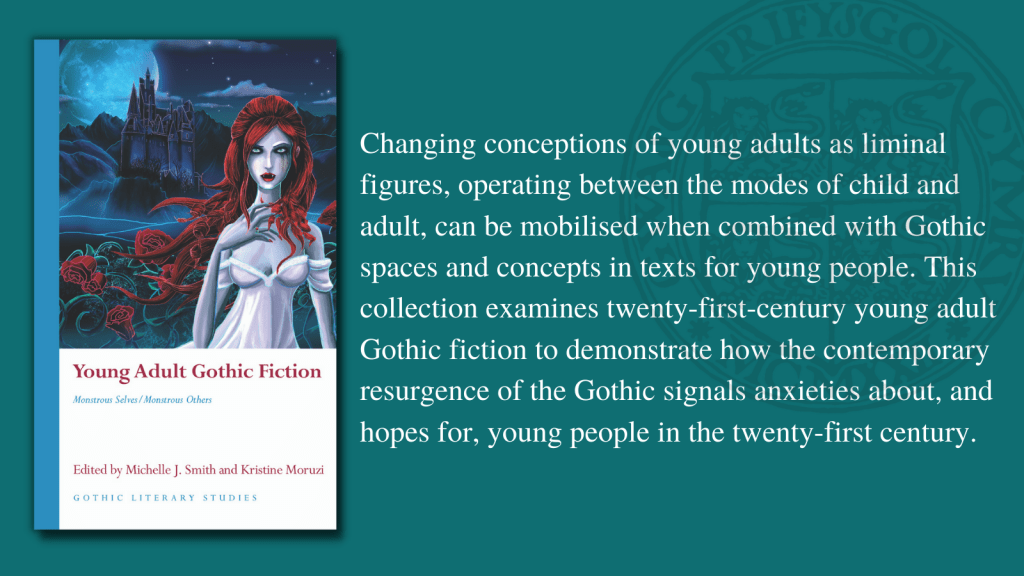
Another excellent edited collection which I am grateful to be included in is now out from University of Wales Press: Young Adult Gothic Fiction: Monstrous Selves/Monstrous Others, ed. by Michelle J. Smith and Kristine Moruzi (Cardiff; University of Wales Press, 2021). This looks an excellent collection–can’t wait for my contributor’s copy to read!

It’s received some very positive endorsements:

My chapter is ‘Genre mutation and the dialectic of YA Gothic dystopia in Holly Black’s The Coldest Girl in Coldtown‘. Here’s an abstract:

Genres mutate; perhaps because they exhaust their potential or because of dramatic social change. But, more so than in other eras, shifts in generic expectations for popular fiction seem to be motivated purely by market forces, reducing the autonomy and even the integrity of the author. Certain genres of Young Adult fiction have displayed this conspicuously in recent times—Gothic horror mutates into paranormal romance; after Twilight (2005), the genre slumped, to be replaced by the success of a certain style of dystopia with The Hunger Games (2008) and its imitators.

These YA dystopias have come under attack from some quarters; unlike classic, socially critical dystopias of the past, these are alleged to be works of agitprop for capitalist individualism. This is a rather crude reading of The Hunger Games itself, but this chapter is concerned with another generic transformation that has taken place in response to that work.

For the vampire romance has not been killed off; it has risen again in new clothing. YA novels such as Julie Kagawa’s Blood of Eden series and Holly Black’s The Coldest Girl in Coldtown (2013) have emerged as a new subgenre where the dystopia encounters paranormal romance. Here, vampire romance meets the apocalyptic landscapes of dystopia, so a new genre is born. Black’s novel shows concerns with contemporary technology, particularly surveillance, and intensive commodification. There is a militaristic society and containment camps, and reality TV as means of diversion. The background of the post-9/11 ‘War on Terror’ colours the perception of the hitherto assimilated outsider of vampire romance and the paranoid militarism expresses that. Coldtown also has a strange glamour—the lure of a lawless alternative culture and haven for transgressive romance. The novel is more complex and subversive than simplistic readings of the new dystopias allow. This chapter reads Coldtown in the light of formal shifts within Gothic YA fiction.

Posted in Books and Articles | Tagged , , , , , , , , | Leave a comment

Matizes do gótico: Three centuries of Horace Walpole – Two kinds of Romance

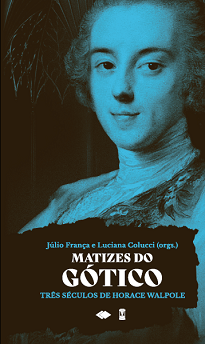
I’m very honoured to have my chapter ‘“Two kinds of romance”: Generic hybridity and epistemological uncertainty in contemporary paranormal romance’ included in this beautiful new book from Brazil: Matizes do gótico: três séculos de Horace Walpole, ed. by Júlio França and Luciana Colucci (Rio de Janeiro: Dialogarts, 2020). You can download the book as a free PDF from here.

This edited collection celebrates 300 years of Horace Walpole, considered to be the founder of the Gothic novel. There is a commentary on the volume in Portuguese here. Google Translate (I apologise for my ignorance of the language) has:

The importance of the author and the work is not only seminal: the Gothic machinery present in Otranto’s narrative was reused and re-elaborated by other writers who, over the last centuries, adapted it to different historical and geographical contexts and gave rise to Gothic narratives responsible for keep the Walpolian heritage alive.

This dossier is the result of the fruitful discussions that took place at the II SEG, and which are materialized in this edition. The theoretical nuances and critical approaches gathered here contribute to the firm defense of a genre that, although it still encounters some resistance amidst “high” criticism, has established itself as a tradition responsible for expressing and representing evil and fear in form of fictional narratives.

My own chapter (which is in English) talks about the generic hybridity of contemporary Paranormal Romance and compares this to Walpole’s own declaration of his novel The Castle of Otranto (1764) as being comprised of ‘two kinds of romance’. I look closely at two YA novels in the genre: Alyxandra Harvey, My Love Lies Bleeding (2010) and Julie Kagawa, The Iron King (2011). I consider the interference of genres in these novels as exhibiting epistemological uncertainties that haunt late modernity.

Posted in Books and Articles | Tagged , , , , , , , , , , | Leave a comment

Fairy Resources: bibliographies and links to folklore, myth, and romance writing sources

We’ve set up a new page of Resources following the ‘Ill met by moonlight’ conference. It will be a useful page for material on the conference theme of Gothic fairies and will be continually updated. It holds a partial bibliography of our own research path; in addition, some delegates generously made bibliographies for the following papers available:

Dr Bryan Brown (University of Exeter), ‘Russian Gothic faeries as harbingers of twenty-first-century ecognosis’

Morgan Daimler (Independent Researcher), ‘Unseely to antihero: Dangerous fairies in folklore and fiction’

Catherine Greenwood (University of Sheffield), ‘The Ballad of Isabel Gunn as The Daemon Lover: The economic migrant and enchantment as a recruitment strategy’

Dr Michaela Hausmann (Leipzig University), ‘An arboreal femme fatale: George MacDonald’s Maid of the Alder-tree and her literary and folkloric roots’

We’ve also added new links to some brilliant resources covering some very diverse topics related to OGOM’s research into narratives of Gothic and fabulous fiction. These can be found in the right-hand sidebar on the Blog and main Resources pages under the heading ‘Related Links’ but are listed below to show what is now available:

The Encyclopedia of Science Fiction
http://www.sf-encyclopedia.com/
A classic refernce for SF and related genres now on line

Folklore and Mythology – Electronic Texts
https://www.pitt.edu/~dash/folktexts.html
Rich collection of sources

Open Folklore
https://openfolklore.org
Lists open access folkore journals, books, and other useful material

mabinogion pathfinder
https://mabinogionpathfinder.wordpress.com/free-web-based-resources/
Many links to resources for the medieval Welsh collection of romances, The Mabinogion

African Religions
https://africanreligions.wordpress.com/
With the Yoruba Religion Reader and similar resources

Romance Scholarship DB
https://rsdb.vivanco.me.uk/index.php/
Very full bibliography of secondary reading on romantic fiction

Black Romance Timeline
https://romancehistory.com/2021/02/16/a-black-romance-timeline/
History of Black authors of romantic fiction


Posted in OGOM: Ill met by moonlight, Reading Lists, Resources | Tagged , , , , , , , , , , , | Leave a comment