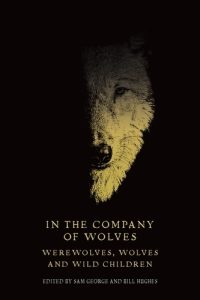
The Open Graves, Open Minds Project began by unearthing depictions of the vampire and the undead in literature, art, and other media, then embraced werewolves (and representations of wolves and wild children), fairies, and other supernatural beings and their worlds. The Project extends to all narratives of the fantastic, the folkloric, and the magical, emphasising that sense of Gothic as enchantment rather than simply horror. Through this, OGOM is articulating an ethical Gothic, cultivating moral agency and creating empathy for the marginalised, monstrous or othered, including the disenchanted natural world.
Simon Fraser University, Vancouver, Canada, 29 September-2 October 2023 [on line]. Deadline: 15 May 2023.
this conference will underline the global comparative framework of World Literary discourses. We will entertain proposals from a wide range of media including Gothic literature, drama, film, television, cyberspace or other art-forms. In addition, the conference will explore how Gothic-themed productions in all of these modes can augment recent efforts to decolonize, ethnicize, indigenize, and degender academic fields of study.
Ulster University Coleraine (Northern Ireland), 13-14 November 2023 [in person]. Deadline 4 September 2023.
This two-day, public-facing academic symposium aims to examine CS Lewis in the light of his influence upon 20th & 21st century writers— those working in genres as varied as children’s fiction, sci-fi, literary and cultural criticism, popular apologetics, and even poetry. The central organising metaphor for the event is that of genealogy—the passing down to successive generations of the essences, qualities and characteristics which one inherits. Drawing upon this central metaphor, we will examine both the way in which Lewis was shaped by his own set of literary influences, and how he transmitted (and transmuted) these influences, through his own work, to writers throughout the world.
Manchester Metropolitan University, 6–9 June 2023. Deadline for papers: 22 May 2023.
The Manchester Centre for Gothic Studies is delighted to open registration for the International Gothic Summer School, an exciting series of lectures, workshops and seminars to be held at Manchester Metropolitan University from Tuesday 6–Friday 9 June 2023.
Over four intensive days, participants will explore selected aspects of the Gothic imagination, from the eighteenth century through to the present day.
Day one: Eighteenth and Nineteenth-century Gothic Day two: Twentieth-century Gothic Day three: Post-millennial Gothic Day four: Professional Gothic Development
the aim of this issue of M/C Journal is to consider the place of magic in contemporary media and society, to explore how recent media offerings shape our understandings of magic, conjuring and the supernatural, as well as cultural depictions of the everyday.
Transmedia Monsters and Villains series: Edited collections and monographs. Deadline: 15 September 2023.
This new series aims to cover the fascinating subject of monsters and villains through an interdisciplinary perspective represented by fields as different as literary, film, religious, gender and art studies as much as philosophy and sociological and ecocritical approaches. Each volume will focus on a single figure (or group of figures) and examine it in its multiple incarnations, from their origins in myth, folklore and history as well as in a literary text, to their various adaptations in different media, including comics, graphic novels, cinema, TV, exhibitions, the visual arts, merchandise and tourist attractions. Most welcome will also be an approach to the subject that transcends genres and thus examine the single monsters and villains as they are presented in horror fiction, thriller, science fiction, etc.
The 2023 Folklore Podcast Lectures season is a programme of 15 talks with world-class speakers, followed by audience Q&A sessions. Ticket holders receive a link to attend live via Zoom, and access to a video replay of any talk they book for after the event, to watch again or catch up on anything they missed.
Prof. Ronald Hutton, The Folklore Society, 18 July 2023, 18:00 BST. On line.
Halloween is usually regarded as the creepiest festival of the modern year, a celebration of witchcraft, phantoms and images of fear which comes down to us from a remote a murky pagan past. This talk addresses the following questions about this tradition. How old and how pagan is Halloween? Was it the ancient pagan feast of the dead, and the Celtic New Year? What role does it play in the modern world, and should it still be celebrated?
Universidad de León (España), 5-7 July 2023. Deadline: 1 April 2023.
This conference aims to open a space of dialogue to analyze the intersections of Gothic and folklore, focusing on fairy tales, the representation of nature, and the treatment of horror. What is the relevance of the ghosts, cemeteries and stormy nights that remain in our subconscious as images and spaces of fear? How can fictional horror represent the climate emergency? How can we explore literature, film and other media through the lens of the monster and the ghost? Ultimately, what is the interaction between folklore, horror and the Gothic?
Academic anthology edited by Samantha Baugus and Ayanni Cooper. Deadline: 31 March 2023.
This collection aims to combine the meanings of chimera in our own chimerical creation–monster, animal, mythological, fantastical–to propose a “neither this nor that,” but an “all of the above.” Though we look to center fictional representations of chimera, we encourage writers to think broadly about the figure and what she could be or represent across genres and time.
Through this collection, we look to investigate junctions, crossings, and mixtures of creatures that push, challenge, and distort the boundaries of the human in numerous ways. What the human is, has been, or could be is a question that possesses serious and highly relevant implications in our contemporary moment. How does the chimera’s inherent hybridity complicate our understanding of the familiar and the other? We seek analyses that center the idea of the chimera in fictional texts of any medium, genre, place, or time period.
Special issue of Literature journal. Deadline: 30 April 2023.
If horror and the fairy tale are so easily intermingled, can horror then be considered as a distinctive feature of the literary fairy tale? In ‘Bluebeard’ (1697), after all, Perrault creates an atmosphere of mystery and expectation of violence before describing Bluebeard’s closet, which contains the numerous corpses of his murdered wives, whose clotted blood covers the floor. Blood, bodily mutilation, and body parts are in fact extensively represented in fairy tales. Before Disney’s sanitized film adaptations, tales such as the Grimm’s versions of ‘Cinderella’ and ‘Snow White’ (1812) depicted horrific images, such as severed limbs, cannibalism, and other types of bodily violence. As far as cannibalism is concerned, the Grimm’s ‘Hansel and Gretel’ and Perrault’s ‘Le Petit Poucet’ are among the most famous stories, but cannibalistic acts or desires are also central in lesser-known tales, such as Perrault’s version of ‘Sleeping Beauty’ or the Grimm’s ‘The Juniper Tree’.
What are the roles, functions, and meanings of horror in a fairy-tale narrative? This Special Issue of Literature aims to answer this question.
Call for scholarly articles. Deadline: 1 May 2023.
We invite manuscripts of scholarly articles (4000-6000 words) on any of the following: Bram Stoker, the novel Dracula, the historical Dracula, the vampire in folklore, fiction, film, popular culture, and related topics.
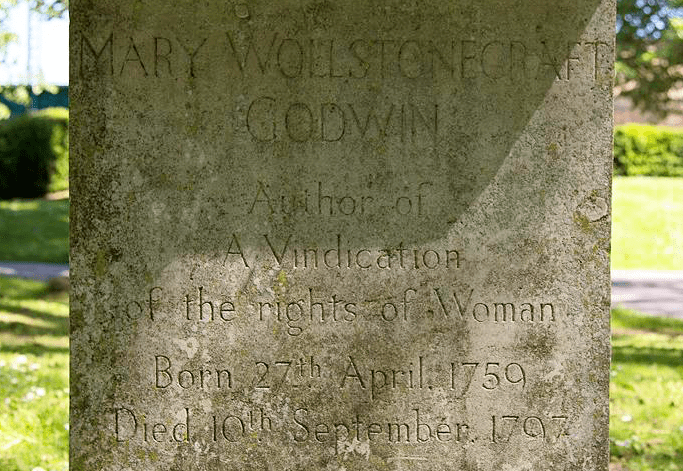
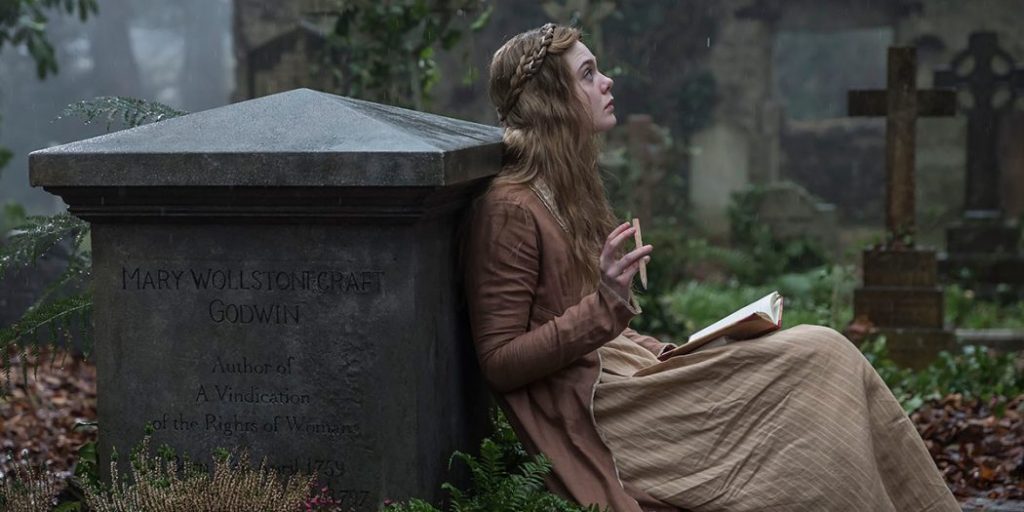
The poet Shelley was drawn to the young Mary Godwin due to her melancholy habit of reading on her mother’s grave; the gothic site of their courtship; it’s said to be where they consummated their passion….
Mary Shelley, 2017 film
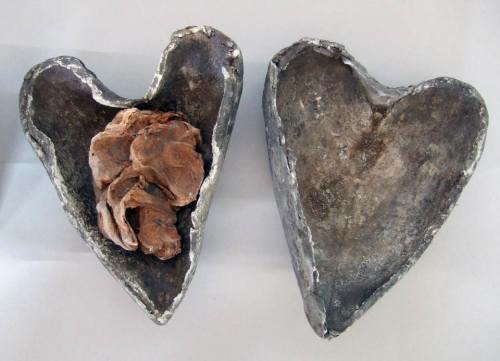
When Shelley died in 1822 Mary is rumoured to have kept his heart in a silken shroud, carrying it with her for years (his remains were in Rome). After she died the heart was supposedly found in her desk wrapped in his poems. It’s hard to out goth that!
Embalmed heart
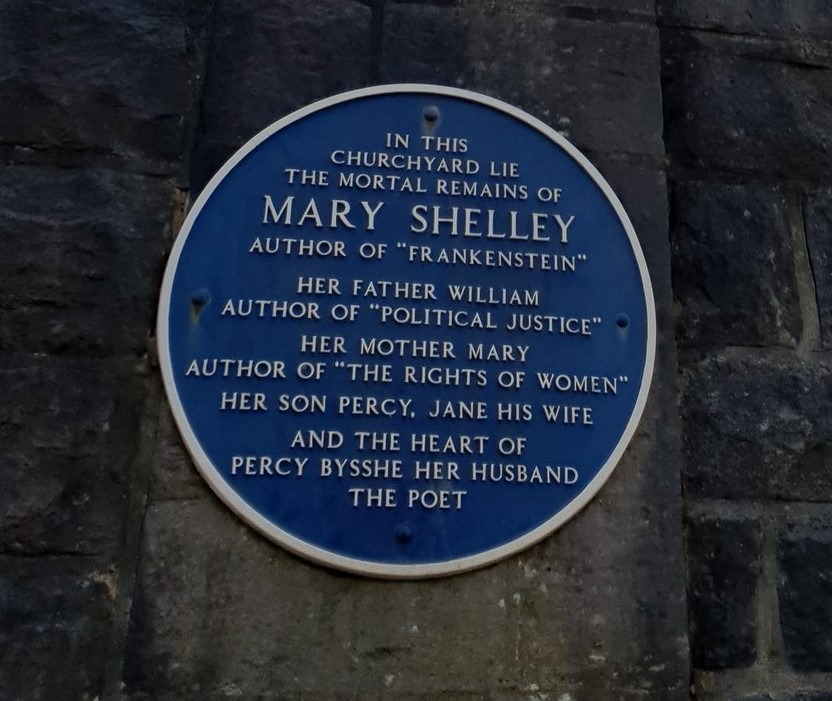
The treasured heart was buried with Mary in St Peter’s Churchyard, Bournemouth (and memorialised as ‘the heart of Percy Bysshe, her husband the poet’). The remains of her parents William Godwin and Mary Wollstonecraft were moved to the same plot in 1851 when St. Pancras Churchyard was broken up for the railroad. This extraordinary family, tragically separated and estranged in life, were finally united in one tomb in death.
Plaque also memorialising the heart
‘My companion was one who, in this world, I shall never see more’ (Mary Shelley, October 15, 1831)
‘My heart fails when I think by how few ties I hold to the world’ (Mary Shelley, 1823, aged just 26)
We’ve been very lax about adding news to the blog lately and we do apologise (work pressure, ill health, project deadlines, etc.). However, there does seem to be a lot going on and here are some recent CFPs for conferences and articles. Deadlines are approaching so do pay attention to that.
7-11 August 2023, University of San Francisco, California. Deadline: 1 March 2023.
In bicentenary tribute, the IABS 2023 conference will gather work on Byron and Romantic-era resistance while seeking to honor the global diversity of the Romantic age. Our gathering’s theme is “New Worlds,” and we invite papers both on and beyond Byron and his circle.
The Center For Monster Studies, 13-15 October 2023, Santa Cruz. Deadline: 1 March 2023.
Our 2023 Festival of Monsters (Oct. 13-15 in beautiful Santa Cruz) includes an academic conference, performances, readings, presentations from monster-makers in theatre, film and television, and events in association with an exhibit at the Santa Cruz Museum of Art and History (MAH) entitled Werewolf Hunters, Jungle Queens, and Space Commandos: The Lost Worlds of Women Comics Artists. We invite proposals for 20-minute papers or presentations on any aspect of monsters or monster studies.
Royal Armouries Museum, Leeds, 9 September 2023. Deadline: 1 March 20203.
The Brontë Parsonage Museum’s 2023 programme will explore and celebrate all things connected with our landscape, a landscape inextricably linked with the Brontës: animals, habitats, trees, flowers, foliage, weather, and more. Our events and activities will complement our special exhibition, The Brontës and the Wild, and draw on the theme of the natural world, providing opportunities to engage with issues and ideas around climate change and environmental sustainability.
University of Liverpool, In Person and Online, 29–30 June 2023. Deadline: 25 March 2023.
Whether it is science fiction, fantasy, or horror, speculative fiction allows us to envision transformed worlds full of dread, excitement, and wonder so utterly different from our own. We escape to imagine wizards who unravel reality, men who transform into cockroaches, and spaceships that warp time, all the while uncovering more about our past, present and future than many forms of conventional fiction. For CRSF’s 12th year, this hybrid event (taking place both in person and online) seeks to generate interdisciplinary discussions of metamorphosis in speculative fiction, exploring the transformations the genre allows and how changes both minuscule and grand manifest themselves within textual and visual cultures in the present day.
A special issue of Literature (ISSN 2410-9789). Deadline for manuscript submissions:30 April 2023.
If horror and the fairy tale are so easily intermingled, can horror then be considered as a distinctive feature of the literary fairy tale? In ‘Bluebeard’ (1697), after all, Perrault creates an atmosphere of mystery and expectation of violence before describing Bluebeard’s closet, which contains the numerous corpses of his murdered wives, whose clotted blood covers the floor. Blood, bodily mutilation, and body parts are in fact extensively represented in fairy tales. Before Disney’s sanitized film adaptations, tales such as the Grimm’s versions of ‘Cinderella’ and ‘Snow White’ (1812) depicted horrific images, such as severed limbs, cannibalism, and other types of bodily violence. As far as cannibalism is concerned, the Grimm’s ‘Hansel and Gretel’ and Perrault’s ‘Le Petit Poucet’ are among the most famous stories, but cannibalistic acts or desires are also central in lesser-known tales, such as Perrault’s version of ‘Sleeping Beauty’ or the Grimm’s ‘The Juniper Tree’. What are the roles, functions, and meanings of horror in a fairy-tale narrative? This Special Issue of Literature aims to answer this question.
We are very saddened to hear of the death of August Sedgwick, who wrote as Marcus Sedgwick, on 15 November.
August was a brilliant writer who wrote novels for children, young adults, and adults (though he wasn’t fond of the ‘YA’ classification and, like many novels with YA protagonists, his intelligent and deeply engaging books have value for readers beyond this group). His fictions are frequently historical narratives, often tinged with the fantastic or Gothic. I would single out as personal favourites White Crow (2010) and Midwinterblood (2011), but they are all marvellous. August was nominated for and awarded many prestigious literary prizes. He also wrote a dystopian graphic novel (Dark Satanic Mills (2013), with his brother Julian), a picture book, illustrated a folklore collection, reviewed books for the Guardian, published guides on coping with chronic illness, and wrote literary essays (of which more below).
working with OGOM and the team around Dr Sam George has encouraged me to voyage more deeply into the relationship between folklore and fiction, and I can see the result in all my work. It has been consistently inspired, enriched and informed by it . . . I strongly see a connection between this work with OGOM and a book I wrote some time later, Midwinterblood, perhaps the book for which I am best known. The Monsters We Deserve was very influenced by our discussions and my thinking about gothic monsters. One of the central questions . . . was inspired by OGOM!!.
(Midwinterblood won the Michael L. Printz Award, America’s most prestigious prize for writing for Young Adults).
We came to know August as a good friend. He was intelligent, erudite, and engrossing in conversation, and a sensitive and amusing companion. His generosity to other writers is well testified to on social media. A lovely man. His passing is a terrible loss.
(Sam will be posting a fuller tribute with her own personal reflections later.)
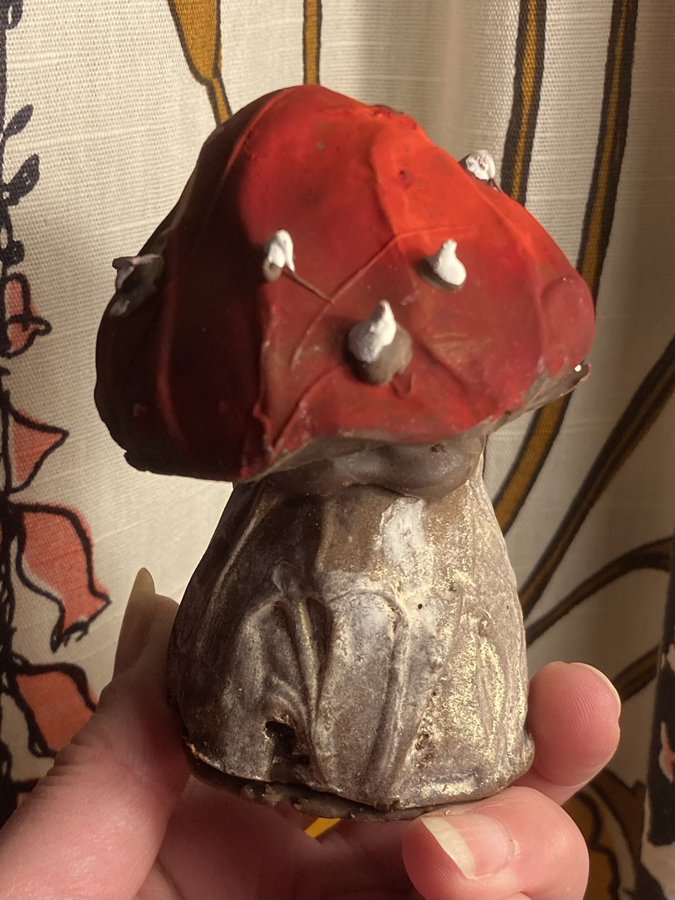
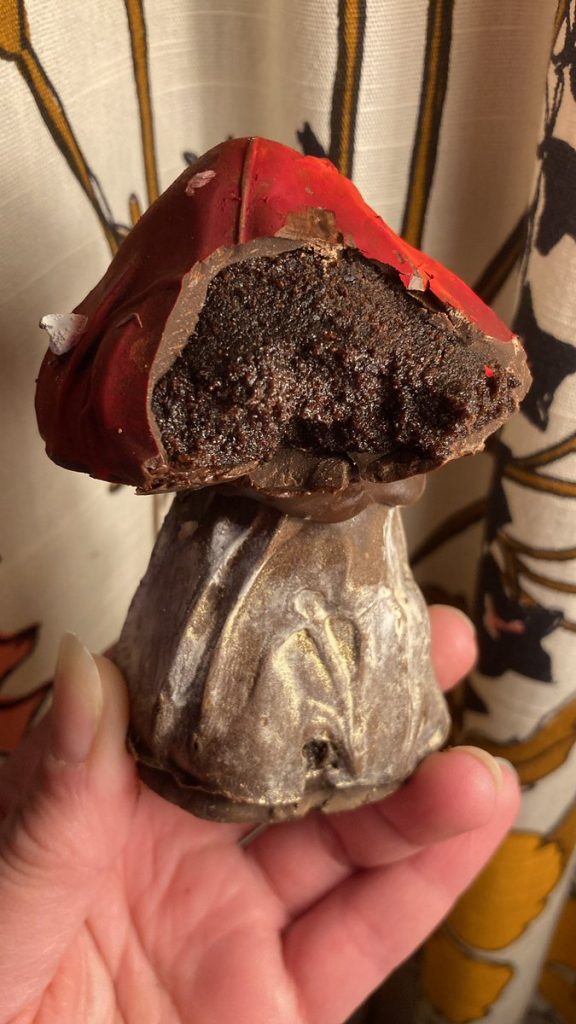
Fungi-inspired snacks – these ones are definitely edible!
Eat Me!
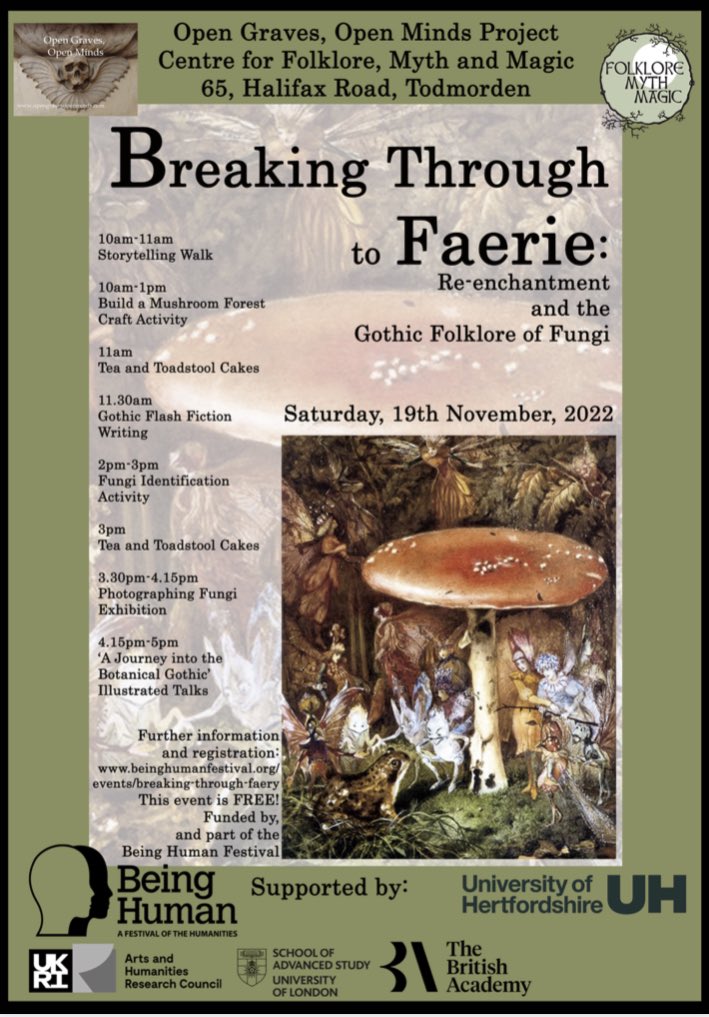
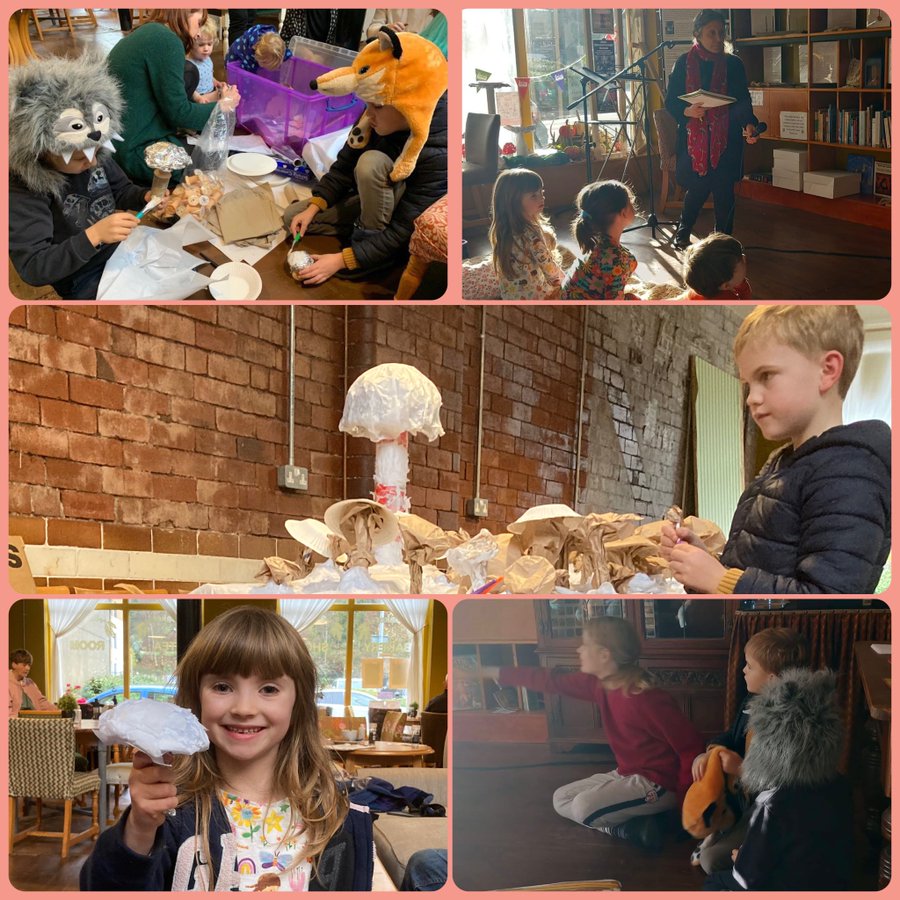
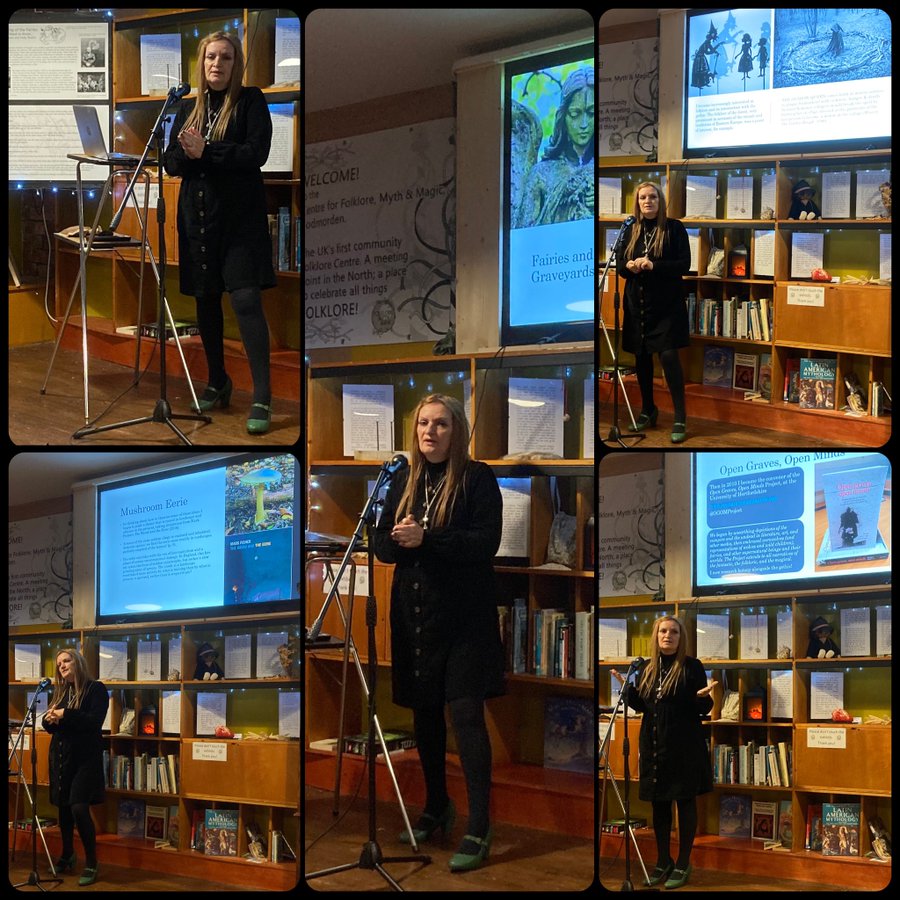
We conceived ‘Breaking Through to Faery’ to create a sense of wonder in the everyday and to re-enchant the local landscape after the confines of lockdown and the pandemic. It was developed around the themes of folklore, fungi, enchantment and the Gothic and it celebrated a unique collaboration between the Open Graves, Open Minds research group (OGOM) at the University of Hertfordshire and the newly launched Centre for Folklore, Myth and Magic in Todmorden, West Yorkshire.
Todmorden is an ex-mill town in Yorkshire; it is a place of folklore and natural beauty. It is hoped that our attendees were inspired by their journey into the botanical gothic and that they will discover more about the natural environment and its folklore. We would like our theme of re-enchantment to combat the sense of ennui many people feel as a result of the pandemic. We hope to foster creativity, generate excitement, and reawaken a sense of awe and wonder about life in regions such the Calder Valley, celebrating its folkloric landscapes and gothic possibilities.
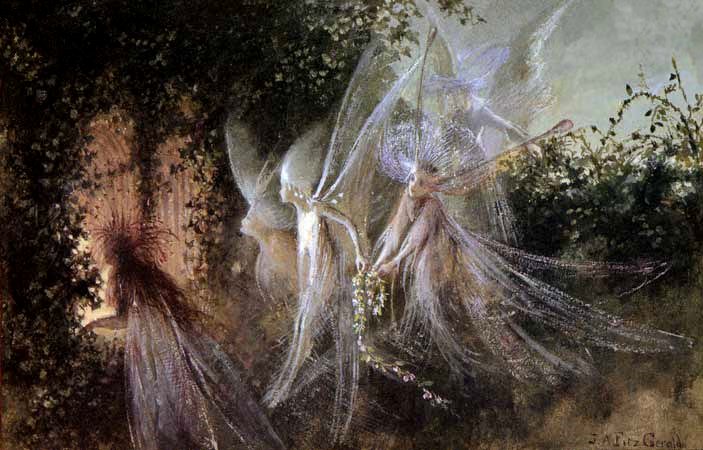
This is the moment when I found fairyland hidden in a rotten tree stump; it really exemplifies the sense of enchantment about the natural world that we wanted to capture!
The event was funded by the Being Human Festival. Being Human is the UK’s only national festival of the humanities. A celebration of humanities research through public engagement, it is led by the School of Advanced Study at the University of London, the UK’s national centre for the pursuit, support and promotion of research in the humanities. The festival works in partnership with the Arts and Humanities Research Council and the British Academy to support humanities public engagement across the UK.
The theme of this year’s festival was ‘Breakthroughs’. We interpreted this as existing at the intersection of folklore and the Gothic. Fungal networks beneath the ground can break through into the seen world as magical fairy rings; we saw our event as similarly enchanting and transforming, connecting our research to the communities around it.
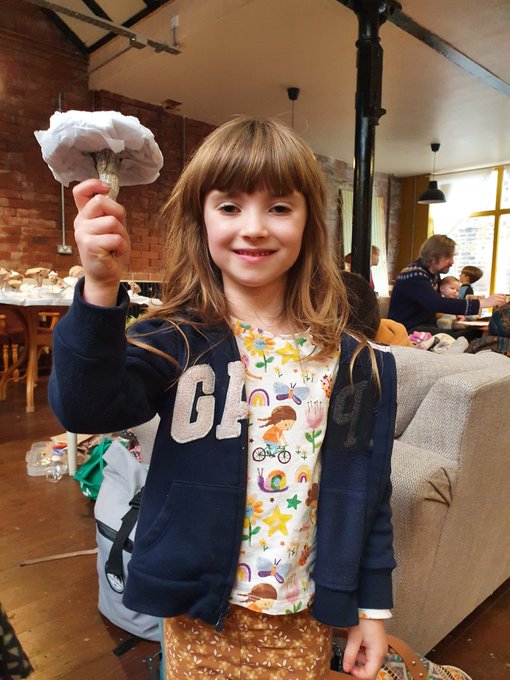
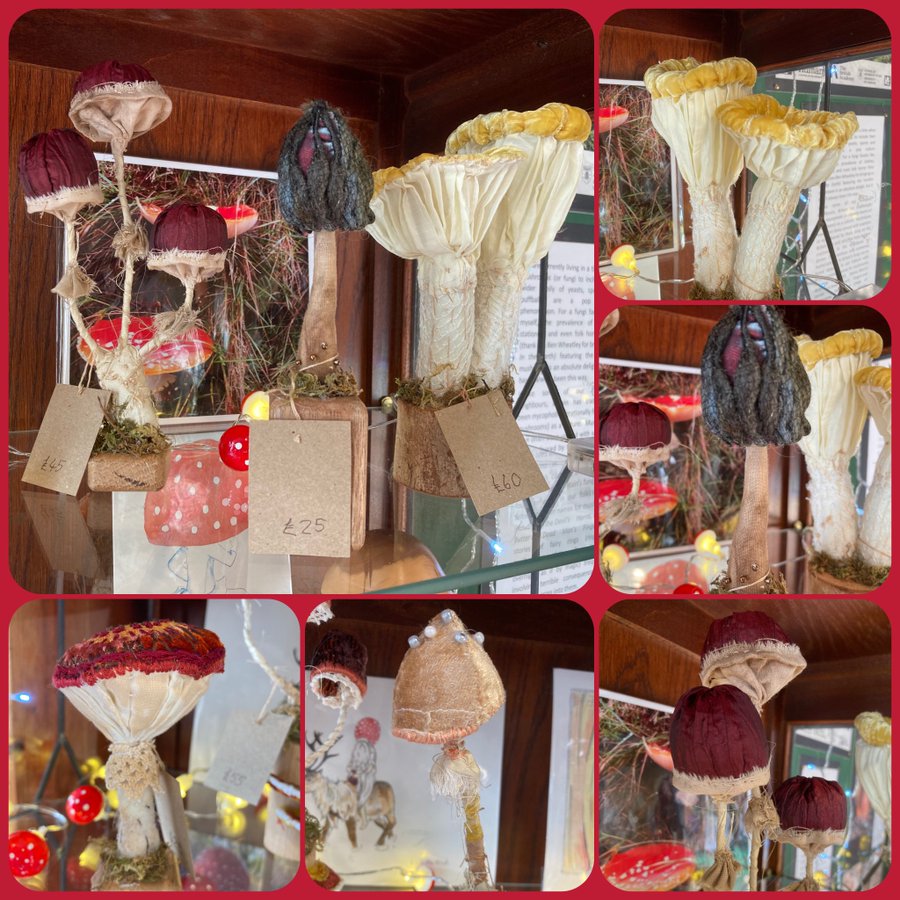
Proudly showing off a newly created mushroom
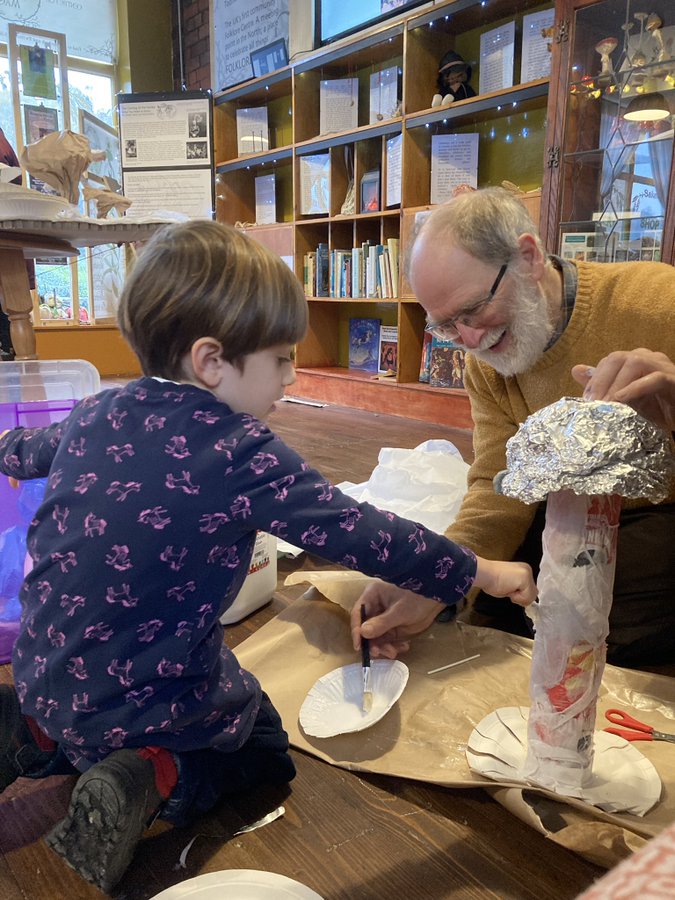
creating mushrooms with grandad
Attendees took part in a range of activities and were introduced to a new concept of botanical gothic:
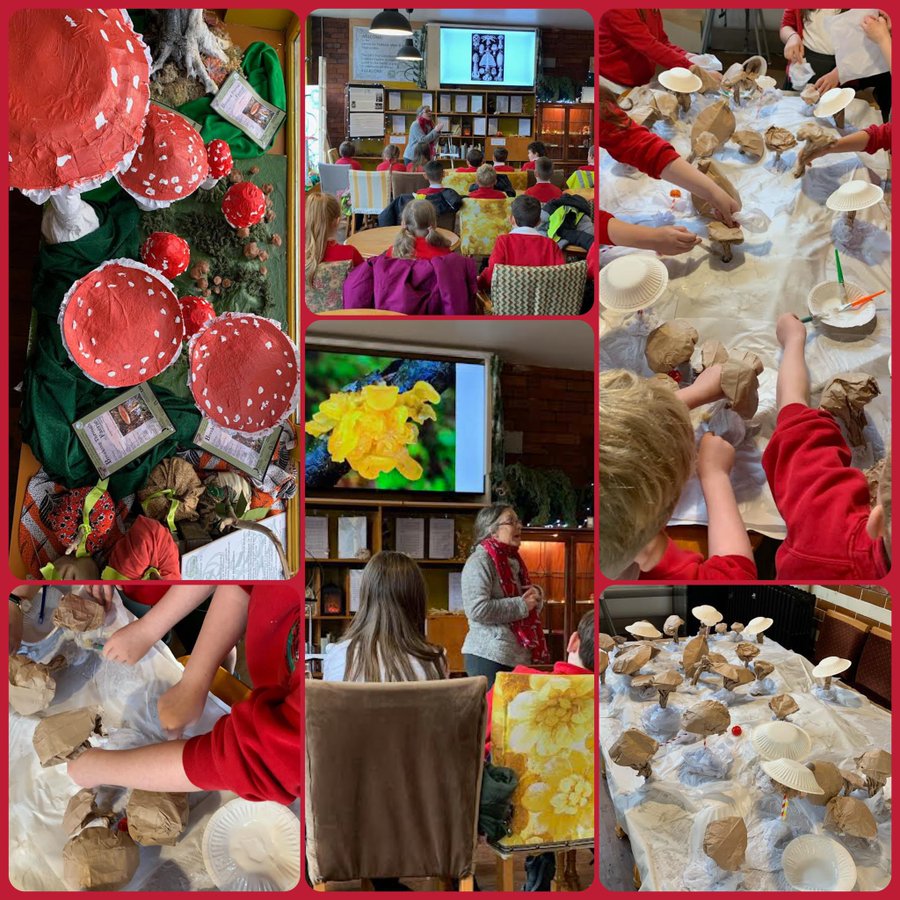
Family Craft Activity: ‘Build a Mushroom Forest in Papier Mache’
With lead-in activity involving children from Shade Primary School, led by Holly Elsdon, exploring storytelling on the theme of fungi and enchantment and introducing the idea of foraging
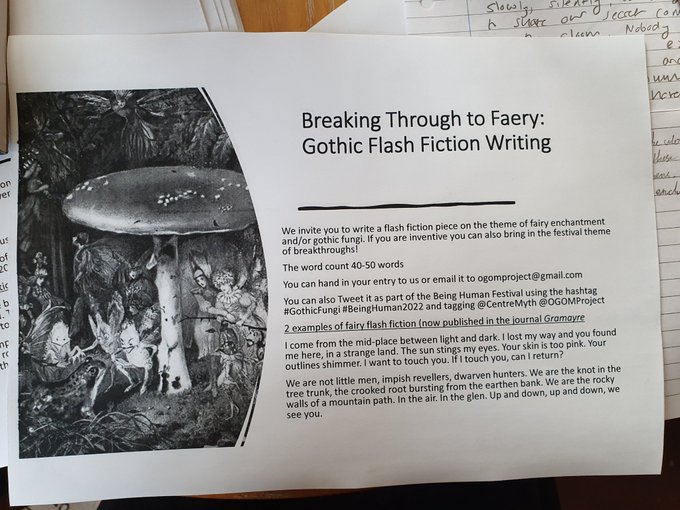
Gothic Flash Fiction Writing
40-50 words on the theme of breakthroughs, or fungi, fairy enchantment and the Gothic. Led by Sam George and Bill Hughes from OGOM Project (to be published on the OGOM blog).
Here are some sample entries:
Silently, covertly, we spring up in the gloom to share our secret commonwealth. Nobody sees us or understands us, except the fairies, fauns and elves, and those uncanny ones clandestinely hovering betwixt humans and angels.
Arcane messages surge along the silver mycelial fibres underground. Above, we are surrounded by these alien consumers of the dead, this Faery Circle, like fungal dolmens. We should never have strayed inside. Yet now we break through to enchanted communion with another world, beyond the living.
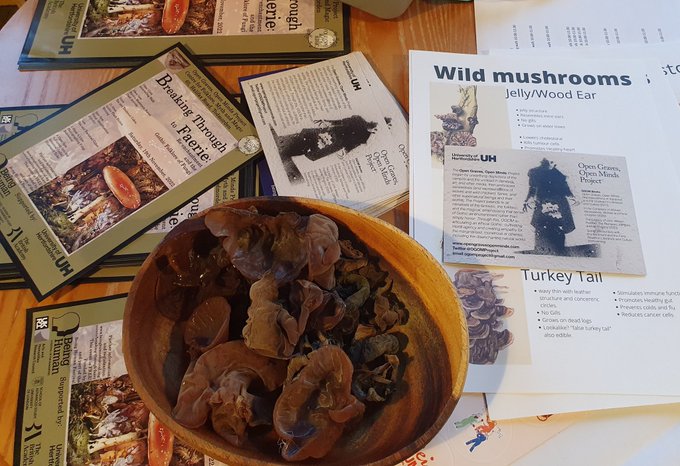
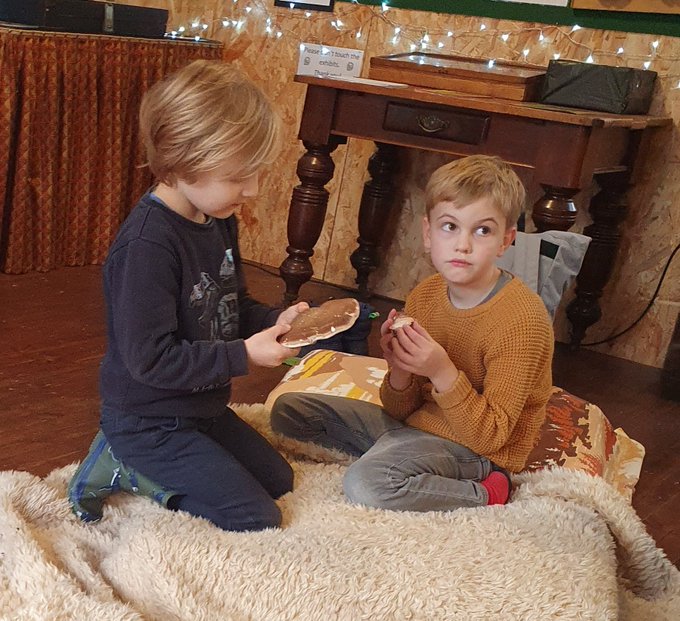
Fungi Identification Activity
With Roze from Thyme for Tiffin.
Roze from Thyme for Tiffin Above
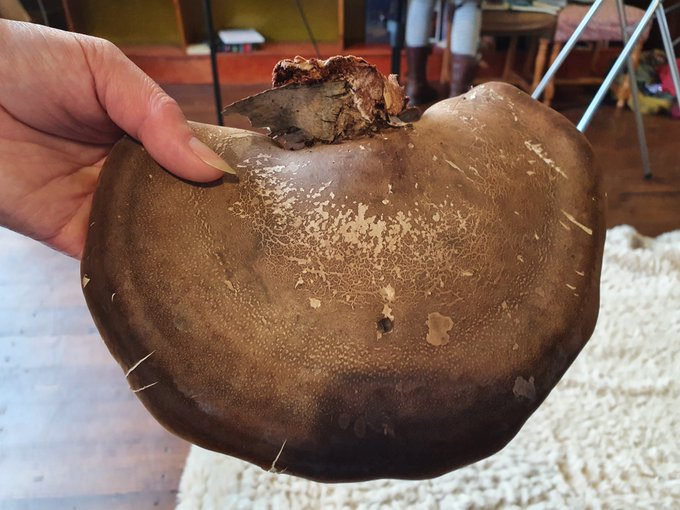
inspecting Birch Polypore
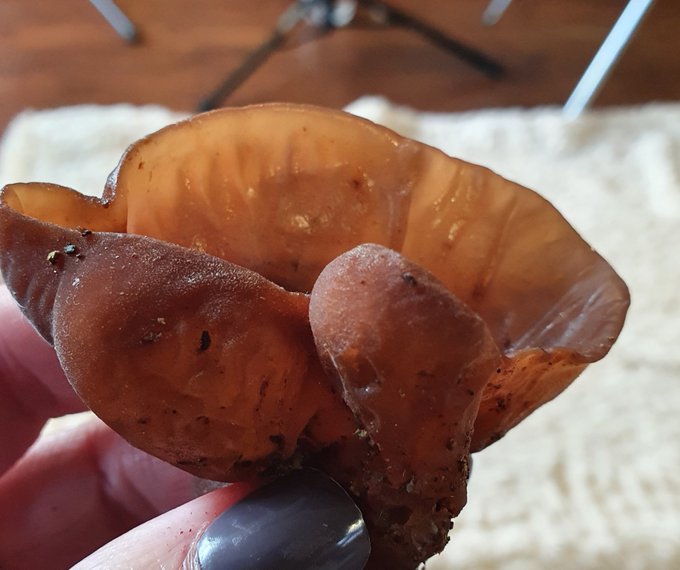
getting up close and personal with jelly ears!
ooh handling Birch Polypore
Tea and Fungi-Themed Cakes
Made by Thyme for Tiffin from locally sourced fungi and flowers.
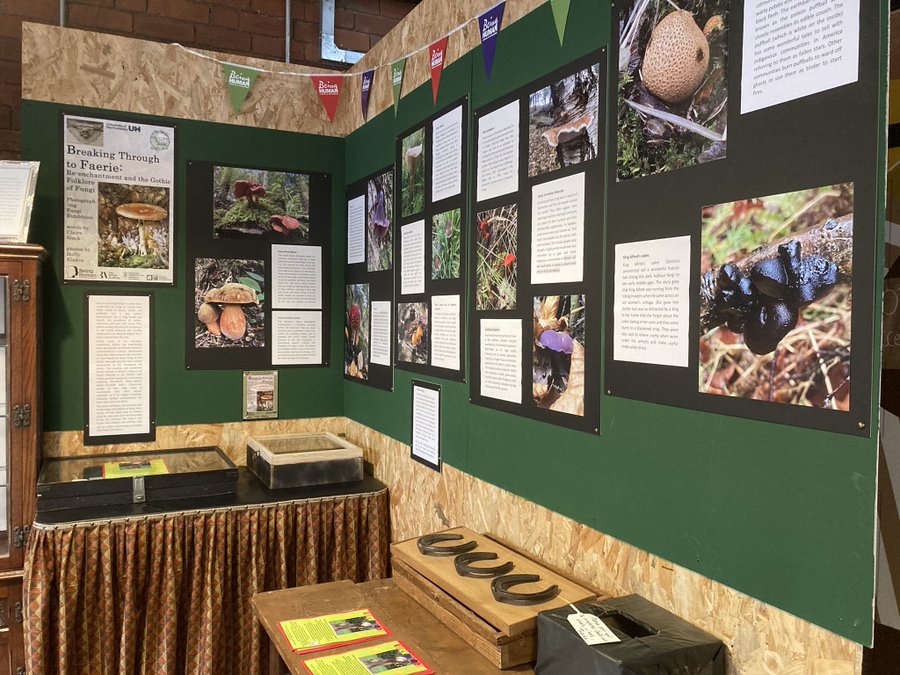
Exhibition: Photographing Fungi
By Holly Elsdon (with words by Clare Slack).
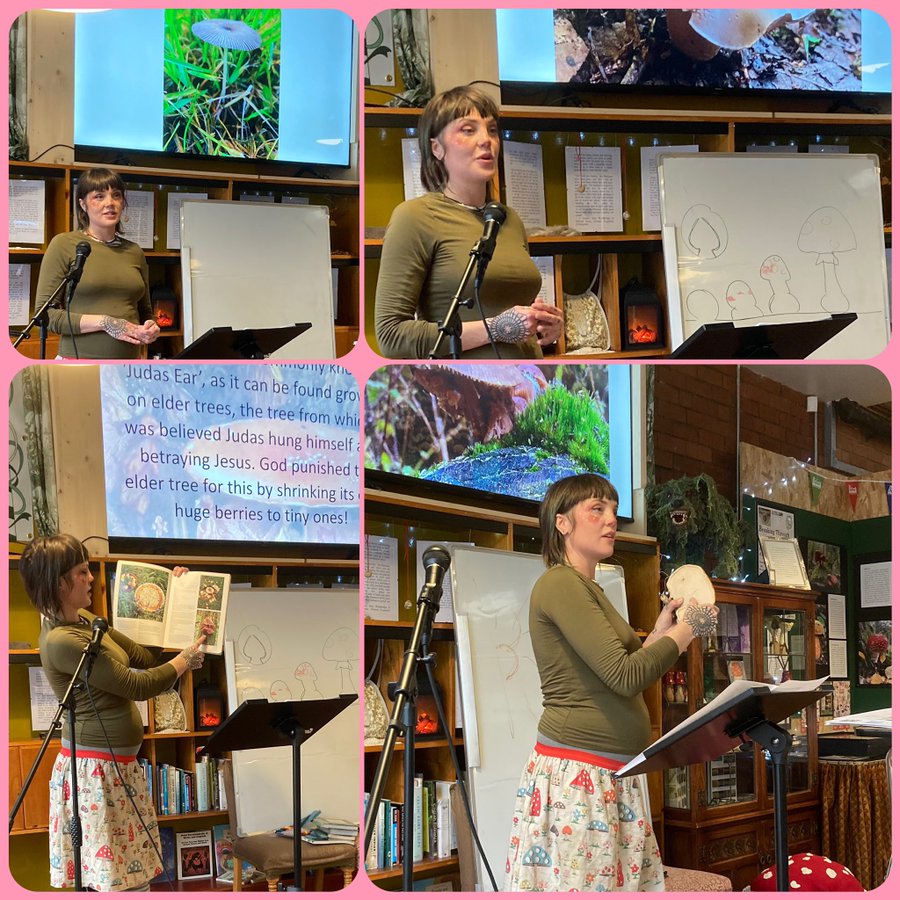
Illustrated Talk: Journeying into the Botanical Gothic
With Sam George, Convenor of the OGOM Project
There were some fantastic mushroom-inspired crafts and displays throughout the centre on the day too. It was a real fungi feast for the eyes! The fungi exhibition is still open so do visit it and you can pop into the Centre and see all the wonderful toadstool-inspired creations too.
If you attended, we do hope you enjoyed it. We will be gathering our feedback shortly and we’re looking forward to getting your responses. Thank you to everyone who took part. Special thanks go to Holly Elsdon at the Centre for Folklore, Myth and Magic for her energy and creativity and to Dr Bill Hughes of OGOM for his work on the admin and his warm support on the day. Gothtastic!
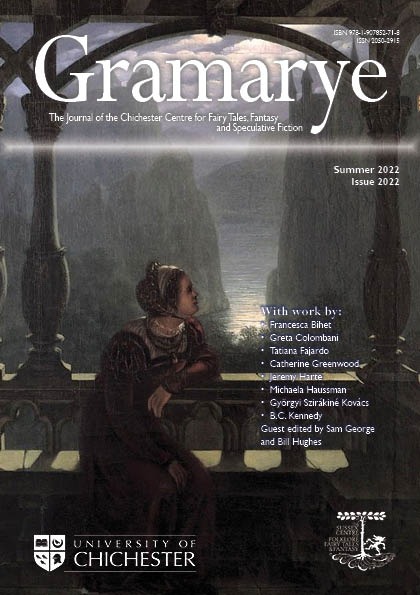
Many thanks to all the contributors and to Heather Robbins and Paul Quinn at Gramarye. We’ve really enjoyed collaborating with the Chichester Centre, whose research interests overlap with those of OGOM, and we look forward to future cooperation. We are also aiming at compiling another special journal issue and an edited collection in book form of further research from the conference in 2023.
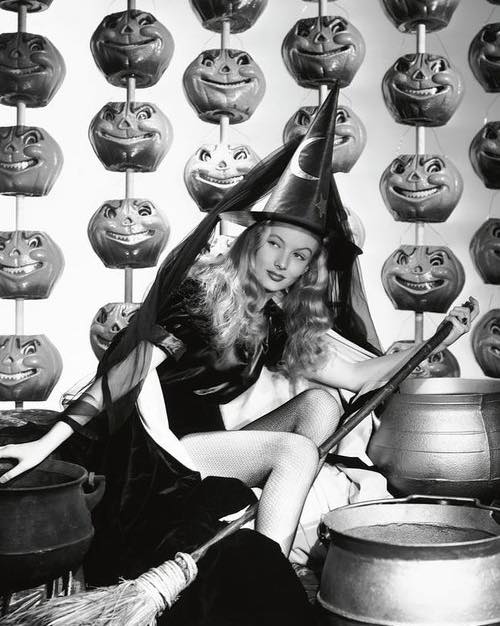
OGOM are involved in some very exciting and spooky events this Hallowe’en. We will be distributing our stylish new OGOM postcards as informative souvenirs of the events and our Project.
Blood and Celluloid Vampire Film Festival
First, on 15 October, Sam and I were invited to introduce the Blood and Celluloid Vampire Film Festival at the Ultimate Picture Palace, Oxford (part of the BFI’s national In Dreams are Monsters programme–it’s worth checking out the rest of this). This is a beautiful independent cinema, run by Tom Jowett and his team, and we were made very welcome and had a great time, with five of the best vampire films being shown.
Werewolves and the Gothic
22 October: Sam will be talking on ‘Werewolves and the Gothic: In Search of the Spectre Wolf’ at 1.30 on 22nd October at Brompton Cemetery, London. Tickets are still available and the event includes gin cocktails in a fabulously Gothic cemetery setting! This is part of the London Month of the Dead Festival.
4-5 November: Sam and I are participating in the online conference Recovering the Vampire: Degeneration to Regeneration, organised by Dr Madeline Potter and Dr Laura Eastlake for Edge Hill University. Sam’s paper is ‘Folkloric vampire at the crossroads: Superstition, recovery, and redemption’ and my paper is ‘Regenerating genre and society through YA Gothic dystopia in Holly Black’s The Coldest Girl in Coldtown’. This is free to attend (though a donation to assist early career scholars is welcomed); Registration will remain open until 24 October.
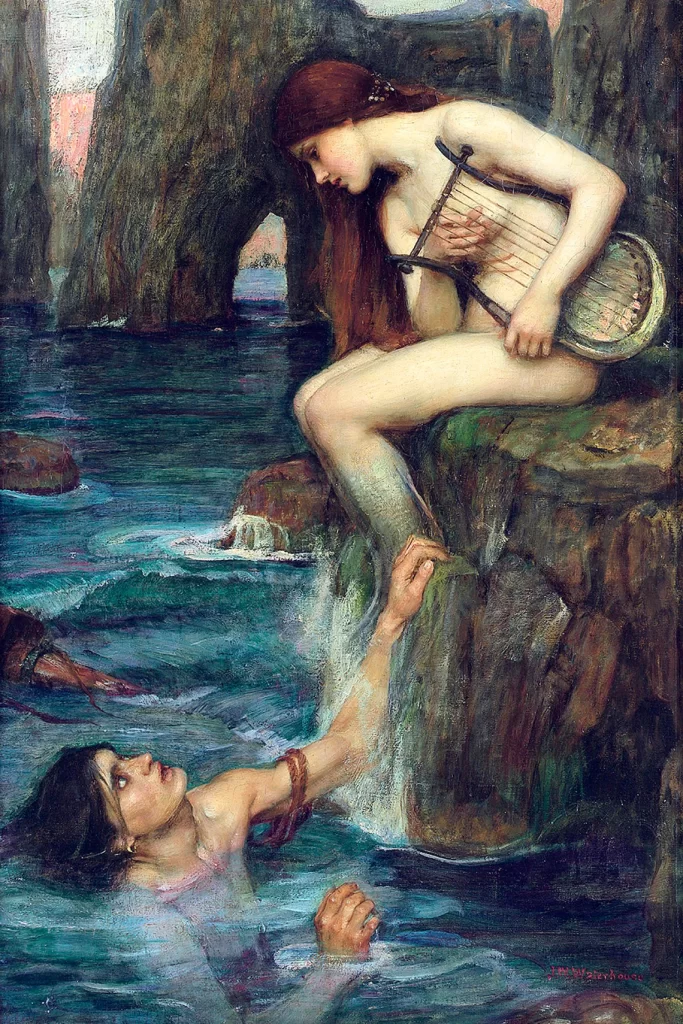
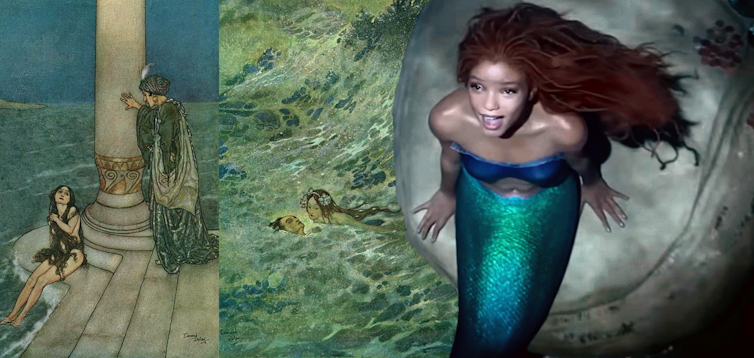
Mermaids (and other fabulous marine creatures such as sirens and selkies) have long been favourite topics with us at OGOM. Three’s something appealing about their ambiguous positioning between human and animal, aquatic and land-dwelling. We’ve posted articles on the blog before (just search for ‘mermaids’ etc.).
I’ve also been doing research into literary manifestations of the mermaid, particularly reworkings of Hans Christian Andersen’s ‘The Little Mermaid’ in YA fantasy. I’ll post the fruits of this research on here at some point. In the meantime, these past posts point to various resources on the mermaid figure: ‘Mermaids: ballads, novels, films‘ and ”Merpeople and Monstrous Lovers‘. There’s also the beginnings of a Bibliography here; we’re working on making this much more comprehensive and having at as a resource page in the same way we’ve done vampires.
In the meantime, here’s an excellent article from The Conversation by Michelle Smith (Senior Lecturer in Literary Studies, Monash University) on the current controversy over the depiction of the mermaid in Disney’s new film, The Little Mermaid:
The Little Mermaid has always been a story about exclusion – and its author was an outsider
Disney’s forthcoming live-action adaptation of The Little Mermaid has sparked an astonishing backlash. The trailer for the 2023 film was met with millions of dislikes on YouTube, seemingly because the mermaid is played by Halle Bailey, a Black actress.
The 1989 animated Disney film, on which the upcoming film is based, featured a red-headed mermaid named Ariel (and a singing crab with a Jamaican accent). The implication of much of the recent criticism is that a Black mermaid is not “authentic” to The Little Mermaid fairy tale.
But fairy tales are continually retold in new ways over time.
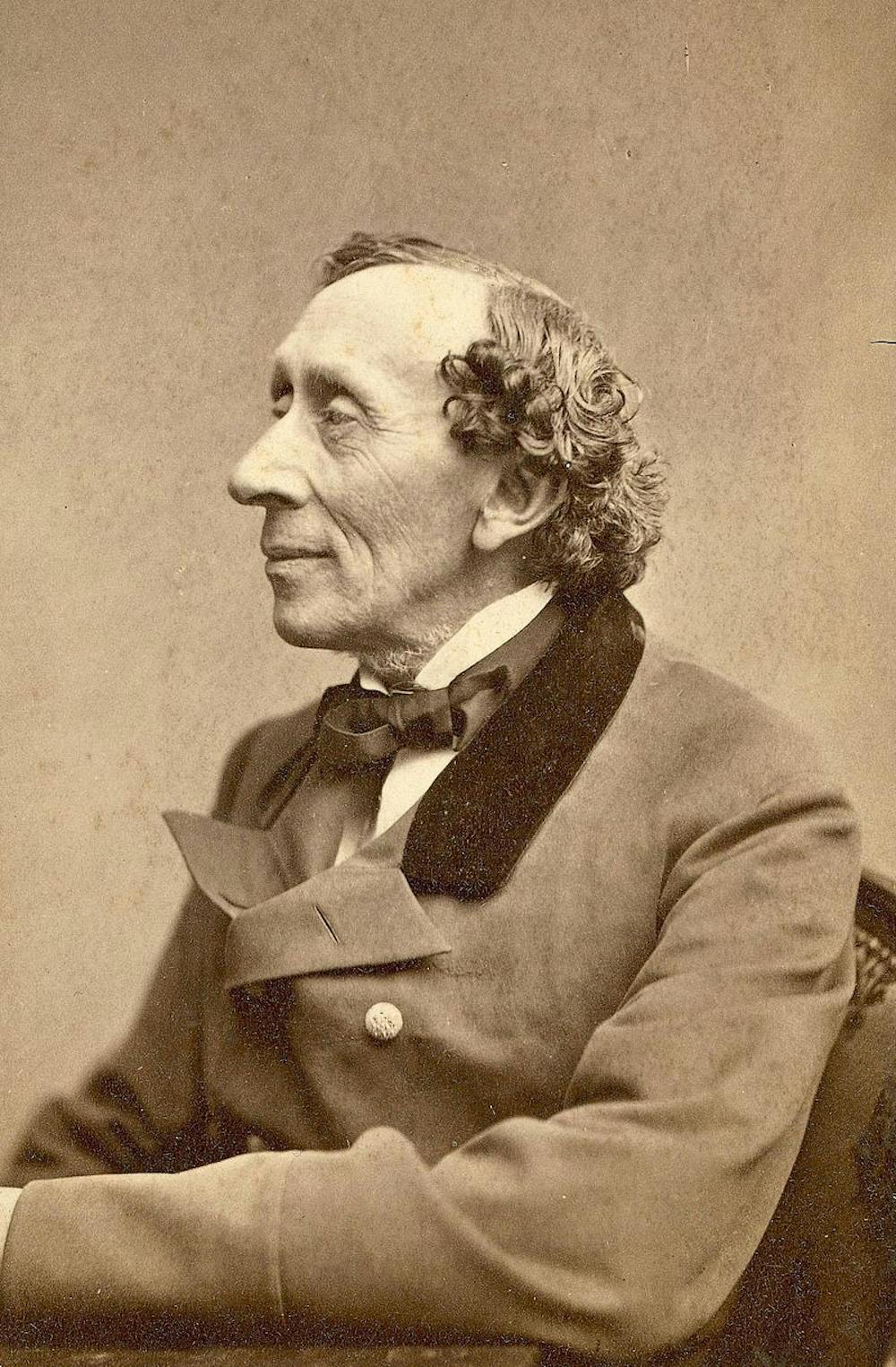
Hans Christian Andersen’s literary fairy tale is radically different to the 1989 film. He was a bisexual social outsider who struggled to express his desires. And his The Little Mermaid was not the happily-ever-after romance Disney fans are familiar with, but a tale of torturous unrequited love – which he worked on while a man he was infatuated with was getting married. https://www.youtube.com/embed/Qp4yfmOOv6Q?wmode=transparent&start=0 Black girls react joyfully to The Little Mermaid trailer.
The first Cinderella was Chinese
Outrage over fairy tales crossing cultural and racial boundaries is misguided. Variations of most popular tales are found in multiple cultures, and familiar tale types have a history of circling the globe. The way they’re told has adapted, too: from being shared orally, to literary versions (from the 17th century), and now film, television and games (from the 20th century).
Indeed, the very reason fairy tales have endured is because they are continually retold in new ways, to suit changing audiences and cultural norms.
The first recorded Cinderella variant, for example, is Yeh-Hsien, from China. It was first published around 850; while Charles Perrault’s Cinderella, which influenced most adaptations we know today, was published in 1697. Yeh-Hsien does not have the aid of a fairy godmother; instead, she wishes on the bones of a fish. If fairy tales should only “belong” to the first culture in which they were ever told or written, then it would be logical to suggest we should only depict Cinderella as Chinese. https://www.youtube.com/embed/xpacm4ET-Cs?wmode=transparent&start=0 The story of Yeh-Hsien is the first recorded variant of Cinderella.
Hans Christian Andersen’s The Little Mermaid
Disney’s animated adaptations, beginning with Snow White in 1937, have come to define our cultural understanding of fairy tales. It’s one reason why we’ve lost our cultural awareness of the diverse origins and traditions surrounding these tales. And these films, aimed at a family audience, sanitise earlier fairy tale variants – which were often more gruesome and disturbing than their Disney adaptations. https://www.youtube.com/embed/GC_mV1IpjWA?wmode=transparent&start=0 The story of Disney’s Little Mermaid, Ariel, is very different from Hans Christian Andersen’s original.
Unlike the Disney films, Andersen’s The Little Mermaid is a tragic story of suffering and extreme sacrifice. P.L. Travers, the author of Mary Poppins, wrote about her dislike of the mermaid’s protracted agony and found Andersen’s “tortures, disguised as piety” to be “demoralizing”.
Many of Andersen’s protagonists are small and delicate figures who arouse our sympathy. This frailty can be due to being poor and uncared for, as in The Little Match Girl. Or it can result from characters who are unable to move without difficulty. The tiny Thumbelina must be carried from one location to another. And the Little Mermaid walks with the sensation of metal blades piercing her feet with every step.
The Little Mermaid is also a prime example of Andersen’s focus on female sacrifice and suffering. For a start, she has her tongue cut out by the sea witch and is made mute. And she maintains her delicate femininity with her “lovely, floating” walk on her hard-won human legs, despite the severe pain that is the cost of her bargain.
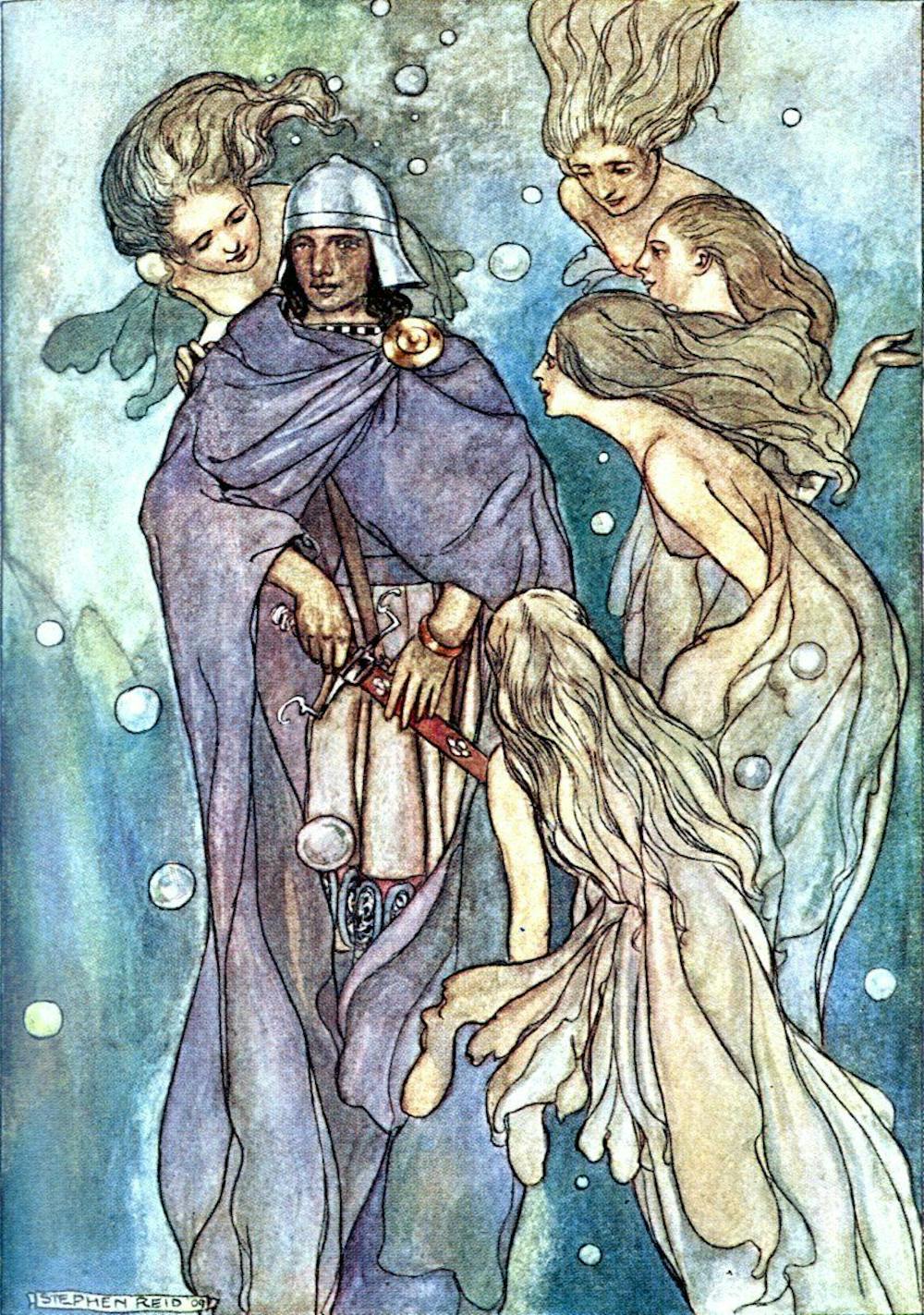
The mermaid saves the Prince on two occasions. First, she risks her life to rescue him from a shipwreck. Andersen’s fairy tale is not a love story, however, because the Prince never romantically desires the mermaid. He is impressed by her devotion but treats the mermaid like an animal or a child. He even gives her “permission to sleep on a velvet cushion at his door”.
The ultimate self-sacrifice of the Little Mermaid is evident when the Prince marries another woman and the mermaid holds the train of her wedding dress, while thinking only “of her death and of all she had lost in this world”.
The sea witch had promised that if the mermaid could make the prince fall in love with her, she would gain an immortal soul. If not, she would die of a broken heart on the first day after his marriage to someone else – and become sea foam on the waves. When she is faced with the choice to kill the Prince and rejoin her family in her mermaid form, she sacrifices her own life instead.
Andersen as outsider
Andersen’s sad personal life unavoidably influences how his stories of downtrodden and pitiful characters are interpreted. In the case of the Little Mermaid, there is a close connection between the writing of the story and Andersen’s own feelings of isolation and rejection.
Hans Christian Andersen.
Andersen was a social outsider who never married – and potentially never had sex. He did become infatuated with both men and women and is therefore understood as bisexual. Yet he struggled to express his desires, an issue related to a series of complex psychological problems.
One of the men Andersen loved was his friend Edvard Collin, who did not return Andersen’s feelings. Biographer Jackie Wullschläger notes that The Little Mermaid was written “at the height of Andersen’s obsession with and renunciation of Edvard Collin”. When Collin’s marriage to a woman was held in August of 1836, Andersen intentionally remained on the Danish island of Funen in order to avoid the wedding. There, he continued to work on The Little Mermaid.
It is possible to view the Little Mermaid failing to gain an eternal soul through marriage to the Prince as Andersen rejecting the idea that immortality must depend on love being reciprocated. As Wullschläger suggests, Andersen likely equated himself, a bisexual, with the mermaid’s understanding of herself as a different species to humans.
Andersen wrote that he deliberately avoided the convention found in other mermaid fiction, such as Friedrich de la Motte Fouqué’s Undine (1811), in which human love enables the acquisition of a soul:
I’m sure that’s wrong! […] I won’t accept that sort of thing in this world. I have permitted my mermaid to follow a more natural, more divine path.
Andersen’s tales frequently promote his Christian religious ethics. The path to salvation with God that Andersen maps often entails a cheerful embrace of pain, suffering, or humiliation. Maria Tatar comments that Andersen’s protagonists embrace death “joyfully”. They “reproach themselves for their sins and endorse piety, humility, passivity, and a host of other ‘virtues’ designed to promote subservient behaviour”.
The mermaid and her sisters rescue the Prince. Stephen Reid
Most of Andersen’s protagonists are female. Fairy tales in the 19th century, such as those of the Brothers Grimm, commonly sought to direct the behaviour and morality of girls. In the case of the Little Mermaid, her harsh treatment and ultimate fate can be understood as punishment for her sexual curiosity in pursuing the Prince. It’s also a caution against attempting to leave the undersea home where she belongs.
The conclusion of Andersen’s tale transforms the Little Mermaid into sea foam and then a “daughter of the air” who may gain a soul after 300 years of compassionate, self-sacrificial behaviour. The moral educational function of fairy tales is especially evident in this ending. Child readers are informed their own good acts will shorten the length of time the Little Mermaid (and the other daughters of the air) must wait by one year, while bad acts will lengthen their wait.
Diversifying and adapting fairy tales
Disney’s original, animated The Little Mermaid departs radically from Hans Christian Andersen’s published fairy tale. Some of these changes reflect developments in ideas about the purpose of stories of children. Young characters undergoing extreme self-sacrifice and unhappy endings now rarely appear in stories for children.
Disney’s transformation of a story of salvation and religious devotion into a straightforward romance is but one example of how fairy tales lend themselves to retelling in new contexts. The live-action adaptation starring Halle Bailey, which seeks to make children of colour feel represented in fairy tales, is one more iteration of the story.
This attempt to diversify fairy-tale adaptations builds on the queer history of The Little Mermaid. The story is already understood as having parallels with Andersen’s bisexuality – and the experience of transgender people. The most important UK organisation for supporting transgender, non-binary and gender-diverse young people, for example, is called Mermaids.
It’s unsurprising that outsiders of all kinds connect with a story about a mermaid who cannot fit in the human world she desperately wishes to belong to. Whether that’s a beloved author in 19th-century Denmark, or an African American girl today.
Marina Warner
Marina Warner is a writer of fiction, criticism and history; her works include novels and short stories as well as studies of art, myths, symbols and fairytales.
Centre for Myth Studies, University of Essex
The Centre It promotes the study of myth, from ancient to modern, and raises awareness of the importance of myth within the contemporary world.
Mythopoeic Society
The Mythopoeic Society is a non-profit organization devoted to the study of mythopoeic literature, particularly the works of members of the informal Oxford literary circle known as the “Inklings.”
Sheffield Gothic
Sheffield Gothic is a collective group of Postgraduate Students in the School of English at The University of Sheffield with a shared interest in all things Gothic.
American Gothic Studies
American Gothic Studies is the official journal of the Society for the Study of the American Gothic (SSAG), which promotes and advances the study of the American Gothic
Echinox Journal
Caietele Echinox is a biannual academic journal in world and comparative literature, dedicated to the study of the social, historical, cultural, religious, literary and arts imaginaries
Folklore
Journal of The Folklore Society. A fully peer-reviewed international journal of folklore and folkloristics, in printed and digital format
Gothic Nature
Gothic Nature: New Directions in Ecohorror and the Ecogothic
Gothic Studies
The official journal of the International Gothic Association considers the field of Gothic studies from the eighteenth century to the present day.
International Journal of Young Adult Literature
an academic peer-reviewed journal dedicated to publishing original and serious scholarship on young adult literature from all parts of the world.
Irish Journal of Gothic and Horror Studies
The Irish Journal of Gothic and Horror Studies (ISSN 2009-0374) is a peer-reviewed, interdisciplinary, electronic publication dedicated to the study of Gothic and horror literature, film, new media and television.
Journal of Popular Romance Studies
The Journal of Popular Romance Studies is a double-blind peer reviewed interdisciplinary journal exploring popular romance fiction and the logics, institutions, and social practices of romantic love in global popular culture.
Journal of the Fantastic in the Arts
An interdisciplinary journal devoted to the study of the fantastic in Literature, Art, Drama, Film, and Popular Media
Monsters and the Monstrous
Monsters and the Monstrous is a biannual peer reviewed global journal that serves to explore the broad concept of “The Monster” and “The Monstrous” from a multifaceted inter-disciplinary perspective.
Studies in the Fantastic
Studies in the Fantastic is a journal devoted to the Speculative, Fantastic, and Weird in literature and other arts
Supernatural Studies
Supernatural Studies is a peer-reviewed journal that promotes rigorous yet accessible scholarship in the growing field of representations of the supernatural, the speculative, the uncanny, and the weird.
The Lion and the Unicorn
The Lion and the Unicorn, an international theme- and genre-centered journal, is committed to a serious, ongoing discussion of literature for children.
Victorian Popular Fictions Journal
Victorian Popular Fictions is the journal of the Victorian Popular Fiction Association. The VPFA is a forum for the dissemination and discussion of new research into nineteenth- and early-twentieth-century popular narrativeo
Related Links
Aarne-Thompson-Uther Index
The Aarne-Thompson-Uther Index is a classification numeric system created to group similar folktales from different cultures
ACADEmy
LSAD centre for research into Art, Curatorial Studies, Applied Design and Art and Design Education
African Religions
With the Yoruba Religion Reader and similar resources
Angela Carter Society
Promoting the study and appreciation of the life and work of Angela Carter
Art Passions
Art Passions: Fairy Tales are the Myths We Live By
Asian Gothic
Asian Gothic appears as an attempt to make sense of the vast and diverse body of Asian literature, film, television, games, comics and other forms of cultural production by reading these texts from a Gothic perspective
British Association for Romantic Studies (BARS)
The UK’s leading national organisation for promoting the study of Romanticism and the history and culture of the period from which it emerged.
British Association for Victorian Studies (BAVS)
The British Association for Victorian Studies (BAVS) is a multidisciplinary organisation dedicated to the advancement and dissemination of knowledge about the Victorian period.
Byron Society
The Byron Society celebrates the life and works of Lord George Gordon Byron (1788-1824), a poet, traveller and revolutionary
Cambridge Research Network for Fairy-Tale Studies
The Cambridge Research Network for Fairy-Tale Studies is an open space at the University of Cambridge aimed at connecting researchers with an interest in fairy tales across different disciplines and scholarly perspectives.
Carterhaugh School
We give lectures and teach courses on fairy tales, folklore, witches, writing, and more. Basically, your ultimate fantasy college courses
Centre for Myth Studies, University of Essex
The Centre It promotes the study of myth, from ancient to modern, and raises awareness of the importance of myth within the contemporary world.
Deborah Hyde
Deborah Hyde wants to know why people believe in weird stuff. She attributes her fascination with the supernatural to having spent her childhood with mad aunties. She approaches the subject using the perspectives of psychology and history.
Fairyist: The Fairy Investigation Society
A website that will gather together sources, links, bibliographical references and discussions on fairies and related supernatural creatures
Folklore Society
The Folklore Society (FLS) is a learned society, based in London, devoted to the study of all aspects of folklore and tradition, including: ballads, folktales, fairy tales, myths, legends, traditional song and dance, folk plays, games, seasonal events, ca
Ghoul Guides
Home to the Ghoul Guides – a digital multimedia project devoted to exploring, understanding, and enjoying the wonders and weirdness of the Gothic
Gothic Feminism
Gothic Feminism is a research project based at the University of Kent which seeks to re-engage with theories of the Gothic and reflect specifically upon the depiction of the Gothic heroine in film
Gothic Herts Reading Group
This site is our one-stop platform for discussing our latest Gothic texts, from journal articles and press pieces, to full length books both old and new
Gothic Women Project
2023: The Year of Gothic Women. An interdisciplinary project devoted to spotlighting undervalued and understudied women writers
Haunted Shores
Haunted Shores Research Network, dedicated to investigating coasts and littoral space in Gothic, horror, and fantastic multimedia
Hellebore magazine
HELLEBORE is a UK-based small press devoted to British folk horror and the occult. Maria J. Pérez Cuervo publishes the magazine twice a year, on Beltane and Samhain
MEARCSTAPA
monsters: the experimental association for the research of cryptozoology through scholarly theory and practical application
Mermaids of the British Isles
a history of mermaids in the arts and cultural imagination of our early islands, which will map the place of these beguiling, and often deadly, figures in the national maritime imaginary, and explore our ancestors’ persistent reimagining of the mermaid
Open Folklore
Open Folklore is devoted to increasing the number of useful resources, published and unpublished, available in open access form for folklore studies and the communities with which folklorists partner
PCA Vampire Studies
A site dedicated to the Vampire Studies Area of the Pop Culture Association
Pook Press
Publisher of Vintage Illustrated Fairy Tales, Folk Tales and Children’s Classics
Romance Scholarship DB
This Romance Scholarship Database is therefore intended as a tool to assist popular romance scholars in their research into modern popular romance novels
RomanceWiki
A wiki resource for romance fiction authors, texts, and publishers
Science Fiction and Fantasy Research Database
The Science Fiction and Fantasy Research Database is a freely available online resource designed to help students and researchers locate secondary sources for the study of the science fiction and fantasy and associated genres.
Sophie Lancaster Foundation
The charity, known as The Sophie Lancaster Foundation, will focus on creating respect for and understanding of subcultures in our communities.
Supernatural Cities
Supernatural Cities is an interdisciplinary network of humanities and social science scholars of urban environments and the supernatural.
Supernatural Studies Association
The Supernatural Studies Association is an organization dedicated to the academic study of representations of the supernatural, the speculative, the uncanny, and the weird across periods and disciplines.
The Association for the Study of Buffy+
The mission of the Association is to promote the scholarship of Buffy+ Studies, focusing on inclusivity, intersectionality, and excellence. We define Buffy+ Studies as the scholarly exploration of Buffy the Vampire Slayer and its related texts.
The Society for the Study of the American Gothic (SSAG)
The Society for the Study of the American Gothic (SSAG) was established in 2023 to promote and advance the study of the American Gothic through research, teaching, and publication
The Thinker's Garden
we also love Plotinus and the Renaissance Platonists, as well as the Transcendentalists and Romantics. We are also drawn to the peculiarities of the Theosophists and hermeticists of the nineteenth century
Vamped
Vamped is a general interest non-fiction vampire site. We publish interviews, investigations, lists, opinions, reviews and articles on various topics.
Vampire Studies Association
TThe Vampire Studies Association (VSA) was founded by Anthony Hogg . . .“to establish vampire studies as a multidisciplinary field by promoting, disseminating and publishing contributions to vampire scholarship
Victorian Popular Fiction Association
The Association is committed to the revival of interest in understudied popular writers, literary genres and other cultural forms.
Wells at the World's End
I am reading through the complete works of H G Wells, in chronological order. This blog is for my jottings, as I go along.
YA Literature, Media, and Culture
YALMC is a resource for those of us researching, writing, writing about, interested in Young Adult Literature, Media, and Culture.
YA Studies Association (YASA)
The YA Studies Association (YASA) is an international organisation existing to increase the knowledge of, and research on, YA literature, media, and related fields