CFP: Histories of Magic and Sexuality

We at OGOM, who have consorted frequently with vampires and other darkly seductive creatures, know how the equally mysterious powers of sex and magic are intimately related. Mackenzie Cooley, of Stanford University, is seeking short articles on magic and sexuality in this CFP for what promises to be a fascinating series in the journal NOTCHES: (re)marks on the History of Sexuality.

The CFP says, ‘Contributions may relate to any geographical area and must have a strong historical focus. Essays exploring the premodern and early modern periods and regions outside of Europe and the US are encouraged.’

The deadline is 15 May, 2016, so apologies for posting this so late; there is still time if you’re quick!

Posted in Call for Articles | Tagged , , , | Leave a comment

Women Writing SF and Fantasy

Some of the most interesting and innovative writing in speculative fiction, science fiction, and fantasy have been women, despite these genre’s domination by men and, possibly, the prevalence of masculine values (especially true of SF). This is a list of 100 important texts by women writing in these spheres; a useful resource and a stimulus for discussion. Some are very well-known; others more recent.

Posted in Resources | Tagged , , | Leave a comment

Juliet Landau: Vampire Documentary

Dread Central here with an interview with the fabulous Juliet Landau, who has worked with Tim Burton and played the delightfully creepy Drusilla in Buffy the Vampire Slayer and is now producing a documentary on vampires, A Place Among the Undead (see Kaja’s earlier post). This is the third of a three-part series; you can see the other parts here and here.

Posted in Interviews | Tagged , , , , | Leave a comment

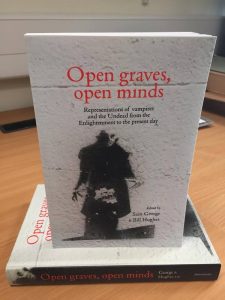
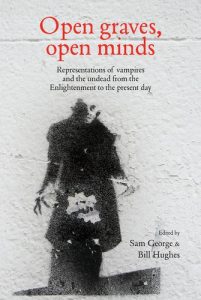
Open Graves, Open Minds Book – Out in Paperback on 1st June!!

The paperback of the Open Graves, Open Minds vampire book arrived in the MUP offices today! You can pre-order it now on Amazon priced at a very reasonable 15.99 (due 1st June).   Very exciting! If you are teaching the gothic, have an interest in vampires, or are a budding writer in the genre, this book is essential reading for you and for all those who wish to explore open graves with an open mind. Do adopt it for your reading lists for gothic courses and above all enjoy it!

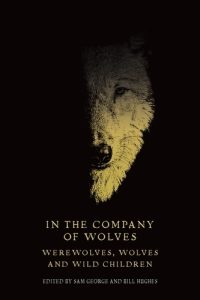
OGOM would like to thank the wonderful and talented contributors to the book. Look out for Company of Wolves in 2017!!


paperback

Posted in Books and Articles, Courses, OGOM News, OGOM Research, Publications | Tagged , | Leave a comment

Burn the Witch

I’ve just been alerted to this by a friend. The music alone is wonderful; the subject and the brilliant video make it a must for OGOM. We were chatting below about disco and Gothic; Sam commented there about folk Gothic and we’ve been delving into witches for a while now. This has all those themes in a disturbing undercurrent to English whimsical pastoral. I don’t think I need to say ‘Wicker Man’ really, but . . .

Posted in Film Clips | Tagged , , , , | 4 Comments

Vampire Zombies Run Amok in the Big Apple

strainimages

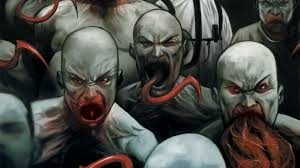
One of my PhD students Jillian has been writing on The Strain. For those of you who are not familiar with it The Strain is a 2009 vampire novel by Guillermo del Toro and Chuck Hogan. It is the first installment in The Strain Trilogy, and was followed by ‘The Fall’ (2010) and ‘The Night Eternal’ (2011). Apparently, Del Toro first envisioned the project as a television drama, but was unable to find a buyer for the series. An agent then suggested turning the story into a series of books with writer Chuck Hogan.  Following the success of the novels the series has finally come into fruition and is currently airing in Australia on ELEVEN, having had its UK run on WATCH in 2014. OGOM has previously made mention of Roger Luckhurst’s  take on the contemporary vampire including those in del Toro in  From Dracula to The Strain: Where Do Contemporary Vampires Come From  (which is worth revisiting). One of the aspects of del Toro’s novel that most fascinates readers is the hybid nature of the vampire zombies which are running amok in New York.  It is essentially an outbreak narrative:

In the run-up to a rare solar eclipse, a transatlantic flight full of dead bodies lands at JFK airport. Suspecting ebola or worse, the Centre for Disease Control deploys its “canary team”, led by abrasive virologist Ephraim Goodweather […] But the canary team can’t get their big brains wrapped around the concept of a vampire plague quickly enough to prevent it taking hold in the city (The Guardian, Sept, 17th, 2014).

You can read the full Guardian Review of the 2014 series here.
strainindex

More recently, the actress Mia Maestro has given her take on The Strain’s metaphorical analogies between vampires and the death of the human spirit:

“Instead of creatures of the undead draining our souls, it’s the modern world and things like war, social division, junk food and over-consumption killing the human spirit […] I think there’s something about this era, the time that we live, that actually sucks our energy and life out of us,”

You can read her interview in ‘Vampire Thriller The Strain is Nothing Like You Have Ever Seen’  I will ask Jillian to post something of her research on these novels on the blog as they look worthy of further discussion I think. If you have read them or have seen the series do let us know what you think and add a comment below. If The Strain does not sound scary enough already Robin Atkin Downes, who provides the creepy, guttural whispers of the Master, also voiced reality show judge ‘Simon Cowbell’ in the recent Postman Pat movie.  The novel’s ideas about vampires, consumerism, and the death of the human spirit are biarrely mirrored here!!
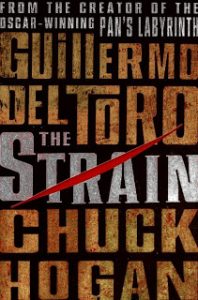
StrainDelToroHoganCover

Posted in Critical thoughts, Reviews | Tagged , | Leave a comment

Disco and Dystopia

With regard to Sam’s remarks on my previous post of a disco Walpurgisnacht, where we saw disco music as antithetical to Gothic, I was just reminded of this. It’s a dystopian Dr Moreau-like fantasy of science going wrong and mutating nature. There’s a strange tension between the hedonistic dance aspect of disco and often very serious themes. The lyrics to this were written by the post-punk musician Lene Lovich.

Posted in Critical thoughts, Fun stuff | Tagged , , , , , , , | 6 Comments

Disco Magic

But what I’m dancing to tonight, when I’m not swirling in the air on my besom, is this great generic mutation of Mussorgsky–very apt for the hedonism of the 1970s New York club scene.

Posted in Fun stuff | Tagged , , | 8 Comments

Disney’s Walpurgisnacht

Witches and magical transformations are themes that OGOM will be pursuing over the next year or so. Disney’s wonderful adaptation of Walpurgisnacht in Fantasia (1941) makes full use of the potential of cinematic technology to depict the transformative powers of magic, depicting the shapeshifting and uncertain boundaries between human and animal that feature in many of the texts OGOM explores. It’s sinister and fun, sexual and more risqué than you’d expect in a children’s film from the 1940s–and that’s just how it should be.

Posted in Critical thoughts, Film Clips | Tagged , , , , | 1 Comment

Walpurgisnacht: Musical and textual variations

Sam has posted some fab items on witches below to celebrate Walpurgisnacht, so I’d better follow suit before dawn arrives and the wild partying has to end.

The Walpurgisnacht motif has inspired artists in all sorts of media. It’s a fine example of intertextuality, even transmediality (travelling across literature, visual art, film, and music) where the vision of wild witches dancing till dawn on the Brocken mountain has inspired a series of literary works and, in turn, musical and visual compositions.

Thus Goethe has a fabulous vision of the savage festival in Faust I (with a classical, rational antithesis in Faust II); this passes into such works as Thomas Mann’s The Magic Mountain, Bulgakov’s The Master and Margarits, and Heller’s Catch-22. Bram Stoker’s Dracula short story, ‘Dracula’s Guest’ employs it. There are musical transformations of Faust as opera and ballet, film versions, and countless visual images. (There is also my modest poetic celebration of Gothic studies here, which reimagines Walpurgisnacht as paranormal romance and dialectic.)

Here’s a great performance of Mussorgsky’s Night on Bare Mountain in its original, raw version.

Posted in Critical thoughts | Tagged , , | Leave a comment