Inviting Vampires into the Academy

I finished teaching MA ‘Reading the Vampire: Science, Sexuality and Alterity in Modern Culture’ yesterday (see tab for ‘Undead Studies’ above) with a pertinent session on folklore and fiction. The course is designed to come full circle visiting the monstrous folkloric vampires of Eastern Europe and journeying forward to encounter the debonair Romantic vampire via Byron, the Satanic Lord (Dracula) and the femme fatale (Carmilla), before moving out of the darkness and into the light and arriving at the sympathetic vampire in the twentieth century (having engaged with various debunkings and subversions). We survey a number of genres and manifestations (treatises, vampire theatricals, phantasmagoria, penny dreadfuls, novellas and twenty first century YA fictions etc.) and revisit the returned in the concluding session when we explore a contemporary take on the revenants of seventeenth-century Europe in My Swordhand is Singing (Marcus compellingly calls them ‘hostages’).

A big thank you to all of my MA students for their lively input in the workshops. I am excited to read their extensive research papers in the next few days. I came across an article in the Independent this week claiming that a US university is finally teaching a course on vampire fiction when I have been teaching this myself since 2010 ouch! Well they do say imitation is the biggest form of flattery but I hope someone will put them right:

I have a short break now for marking before I begin teaching ‘Generation Dead: Young Adult Fiction and the Gothic’ on the 18th January. I am currently working on some new course material for this and will post the updated schedule shortly. We will uncover a bubbling cauldron of illicit desire and embark on another enchanted journey during which we will encounter doppelgangers, zombies, vampires, wolf children, werewolves, hybrid beasts, witches, dark fairies and changelings …..I cannot wait.

If you interested in undertaking vampires studies at MA level do post a comment below with your contact details and I will reply.

Posted in Generation Dead: YA Fiction and the Gothic news, MA Reading the Vampire module news | Tagged , | Leave a comment

Gothic Britain

Following on from my previous post about YA Gothic novels, the Costa Book Awards has announced that the winner of its Costa First Novel Award 2015 is The Loney by Andrew Michael Hurley. Set in the northwest of England, it looks like a wonderfully traditional take on the Gothic genre with critics suggesting that it brings to mind Walpole, Du Maurier and Maturin. The reviews are very positive and I am looking forward to seeing how Hurley’s novel uses the British setting to consolidate the spirit of the text.

In a similar vein (pun intended), Griff Rhys Jones’ new television series sees him travelling the British Isles in order to explore how the landscape influences the nature of the British people. His show will include an episode on vampire hunting in Whitby. I have a great love for Yorkshire – not least because of its Gothic heritage – and I am pleased to see that Griff will be visiting Pandemonium one of the first Goth shops that I ever visited. I look forward to some unsettling reading and nostalgic viewing to explore how the past can both haunt and comfort us.

Posted in Books and Articles, Critical thoughts, Publications | Tagged , , , , , , | 2 Comments

New Books for the New Year

Happy New Year! And I hope the first Monday of 2016 is treating you well.

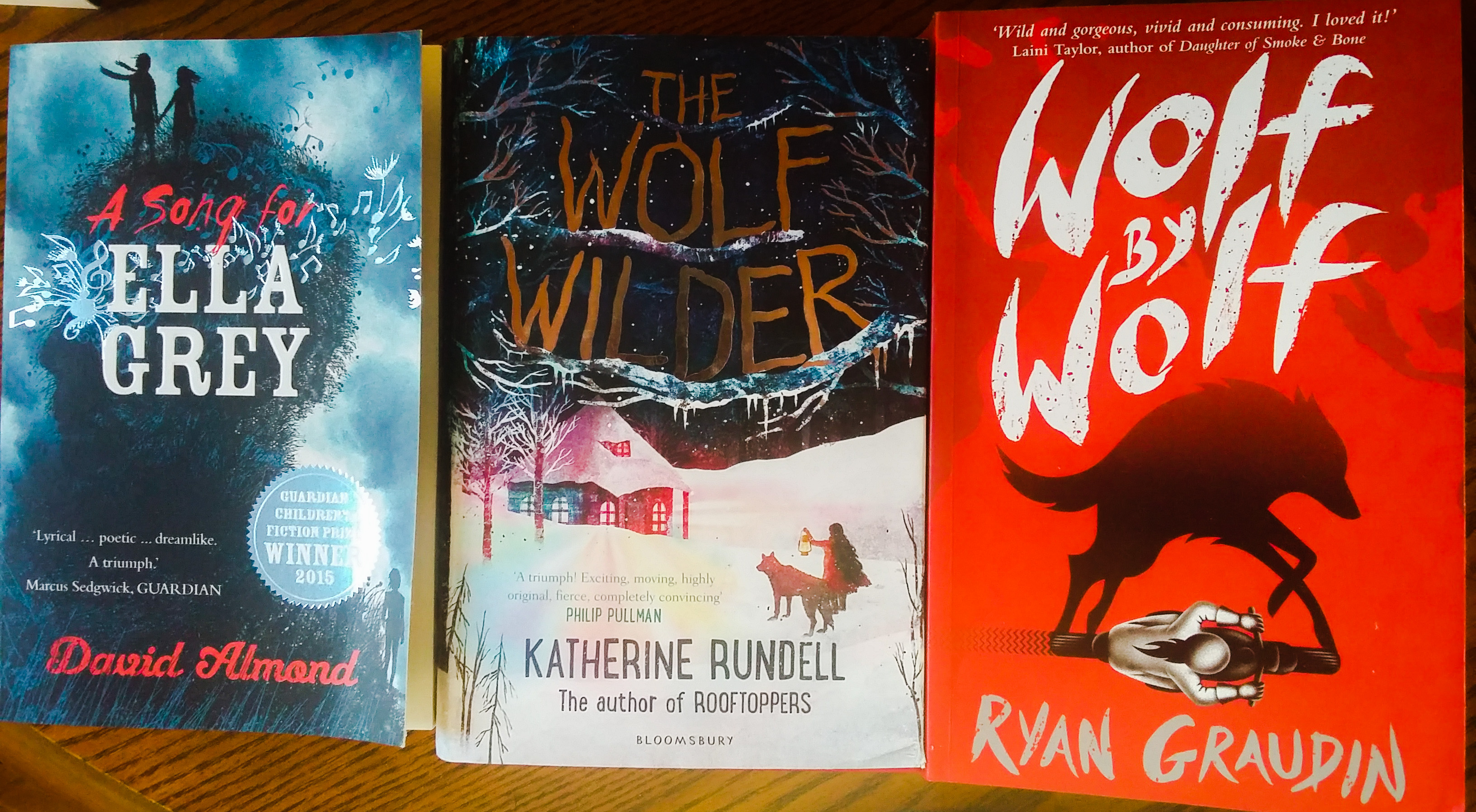
Though I d20160104_144714_editedidn’t get as many books read as I would have liked over the festive period (reading was replaced with eating, running and spending time with family), I did pick up the following YA novels with my Christmas money: A Song for Ella Grey (2015) by David Almond; The Wolf Wilder (2015) by Katherine Rundell; and, Wolf by Wolf (2015) by Ryan Graudin. Both the Almond and Rundell texts featured on the blog post I wrote about the best YA fiction in 2015 and Sam was particularly interested in the Rundell text as it is about a wolfish girl.

I have finished the Graudin novel – which is excellent although sadly not Gothic enough to warrant a review on this site. However, I am looking forward to getting over the January blues by curling up with the other two and will endeavour to get a review of these up once I have read them. What books have you been reading over the festive period? Did Gothic and/ or YA texts feature heavily? Let us know below.

Posted in Books and Articles, Generation Dead: YA Fiction and the Gothic news, Reading Lists, Reviews | Tagged , , , | 4 Comments

Supernatural Cities CFP @imaginetheurban

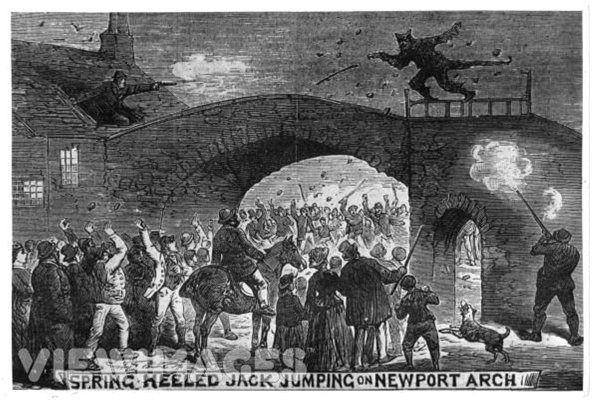
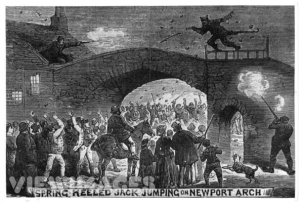
Many of you will remember the fabulous research seminar by Dr Karl Bell on Spring-Heeled Jack:

‘Spring-Heeled Jack and the ersatz Victorian Vampire’: Dr Karl Bell, 6th May, University of Hertfordshire

and this conference has developed out of Karl’s supernatural cities project.  I like the Baudelaire and Benjamin  aspect of the CFP and the symposium looks well worth attending. It is already in my  2016 diary.
Picture1

Supernatural Cities: Exploring the Urban Mindscape

Saturday 30th April 2016

University of Portsmouth, Portsmouth, UK

Keynote Speaker: Professor Steve Pile, Open University

Call for Papers:

Where do urban supernatural stories and beliefs come from and why do they survive in our modern cities? What is it about the nature of the urban environment that encourages our imaginations to respond in this way? How do supernatural accounts and legends alter urban geographies? What cultural roles have ghosts and other supernatural beliefs and practices played in historical and contemporary cities? How has and does the supernatural articulate the experience of urban living, unequal power relations, and fluid urban identities? The urban environment, dense, sprawling, and perpetually haunted by multiple histories, has long played upon the mind of its inhabitants. Both the city’s known and unknown spaces and places have been prone to prompting fantasising, storytelling, and a search for influence in or over a powerful environment that is as much psychological as material.

This one-day conference aims to explore the haunted and haunting nature of the urban environment by bringing together scholars, discourses and theoretical approaches from a diverse range of academic disciplines. It also seeks to reflect on the way urban supernatural tropes such as ghosts, zombies and other urban bogeymen have been creatively represented in various media. This fusion of approaches and representations will be used to broaden our analytical scope, encouraging us to explore how we engage with both the mundanity and strangeness of urban spaces and places on intellectual, imaginative and emotional levels.
The conference’s overall purpose is to draw diverse disciplinary approaches to the urban and the imaginary into conversation with one another, enabling us to advance interdisciplinary discussion and reflection upon the supernatural and the uncanny as means of articulating urban otherness, estrangement and enchantment.

We welcome papers from all disciplines. Topics might include, but are certainly not limited to, the following:

• Urban supernatural folklore and urban legends
• Ghost stories and urban temporalities
• Magic and occult beliefs in the urban context
• Uncanny architecture and urban heterotopias
• Hauntology, capitalism, and urban power relations
• Urban fantasy and urban gothic fictions (literature, art, film, TV, video games, music)
• Supernatural storytelling as intangible urban heritage
• Functions of the urban supernatural (communal identity and memory; socio-political and environmental critique)
• Baudelaire, Simmel, Benjamin and the phantasmagoric urban experience
• Psychogeography and urban space/place as palimpsest
• Monstrous urbanisation, urban monstrosity, and environmentalism
• Affective theory and the emotional urban environment
• Archaeology, concealed objects and domestic magical thought
• Urban supernatural, enchantment, and the de-familiarisation of the mundane
• Re-reading / re-writing the urban – supernatural cartographies; imagination as agency

Please submit a 300 word abstract for a 20 minute paper, together with a brief bio, by 1st February 2016 to supernaturalcities@port.ac.uk . If you have any queries please contact Dr Karl Bell at karl.bell@port.ac.uk

The registration fee for the conference will be £30 (waged) / £20 (students and unwaged). Speakers will not have to pay a registration fee, although they will still be required to register. Registration will be conducted via the University of Portsmouth’s online store.

It is intended that selective conference papers will subsequently form the basis of an edited essay collection that will further advance multidisciplinary reflection upon the urban imaginary.

The Supernatural Cities project is on Twitter @imaginetheurban
Posted in CFP (Conferences), Conferences | Tagged , , , | Leave a comment

Happy New Year OGOMERS

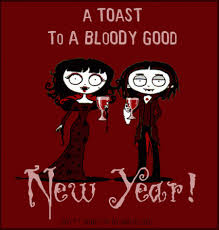
Happy New Year OGOMERS everywhere!!

Thanks for following us this year and  for your company at Company of Wolves!!

vamp newyearindex


Posted in Uncategorized | Leave a comment

CFP: Reflected Shadows: Folklore and the Gothic, 15-17 April 2016, Kingston University

Very last minute, I know–but still time!

This looks a great conference, and I must try and get my proposal done.

Still time to offer a paper for “Reflected Shadows: Folklore and the Gothic” (15-17 April 2016 at Kingston University).

Proposals of papers (150 words) to thefolkloresociety@gmail.com by 31 December


Posted in CFP (Conferences) | Tagged , | Leave a comment

Talking Trees and Unsettling Sensibilities

whole firimages

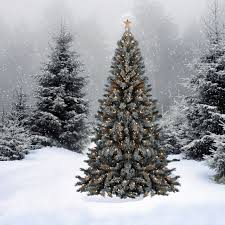
I came across Lars Ostenfeld’s unsettling adaptation of Han’s Andersen’s The Fir Tree (Danish: Grantræet) on the BBC iPlayer today. The tale was first published with ‘The Snow Queen’ on 21st December 1844. The story is narrated by the tree itself (which appeals to my botanical sensibilities) and like all of Andersen’s tales there is an emphasis on physical pain and suffering. The tree is vain and so impatient to grow up that it cannot live in the moment because it expects a greater glory. When it is pulled up for a Christmas tree its life is subject to the whim of the humans whose admiration it craves. They profess to love it dressing it with candles before depriving it of light and discarding it on a fire. The tree is sentient and like the tale’s creator is afflicted with a trembling sensitivity and a limitless pining (pun intended). Andersen had written tales with unhappy endings before (The Little Mermaid’ and ‘The Steadfast Tin Soldier’, for example) but a new darker note is struck with ‘The Fir Tree’. It suggests not only the mercilessness of fate but the futility of life itself, only the moment is worth embracing. For the first time in his fairy tales, Andersen expresses an existential doubt that his Christian beliefs cannot allay.

If you like a winter’s tale (and a sad tale is best for winter) you will enjoy the beauty of this. The forest is deeply lush and the Danish speaking tree is extremely uncanny. Thankfully I had already returned my little Christmas tree to the garden when I watched this (as I could see its needles starting to drop). The story does make you question the beauty of something that is dying from the moment it is brought into the house. Andersen’s Nordic sensibilities are very eco gothic here and the tale is wonderfully dark of course. The tree is both tragic and narcissistic. Still time to be unsettled by its narration on the iplayer.

Posted in Critical thoughts | Tagged , , , | Leave a comment

Do Jelly Babies Have A Dark Past?

_87284511_doctorjellybaby

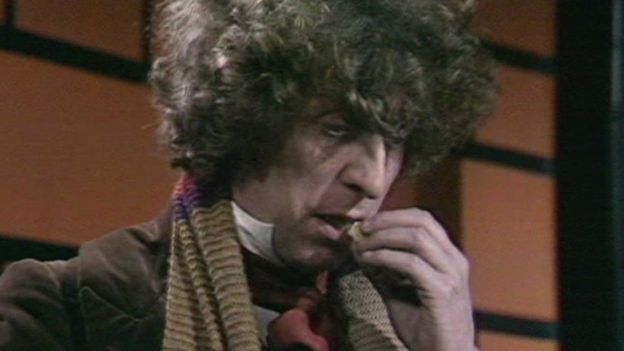
Jelly babies were the much loved sweet of Dr Who but they were originally called ‘unclaimed babies’ eww. You can uncover their dark past here 

This is my first ever gothic sweets story and there is a connection between Bassets and Dr Who in the figure of the Kandy Man (who seems to have contributed to them pulling the programme) All Sorts of scary (pun intended).


Posted in Fun stuff | Tagged , | Leave a comment

White Rabbit: Yuletide Adventures in Wonderland @BritishLibrary

20151223_174303_resized

20151223_154046_resized

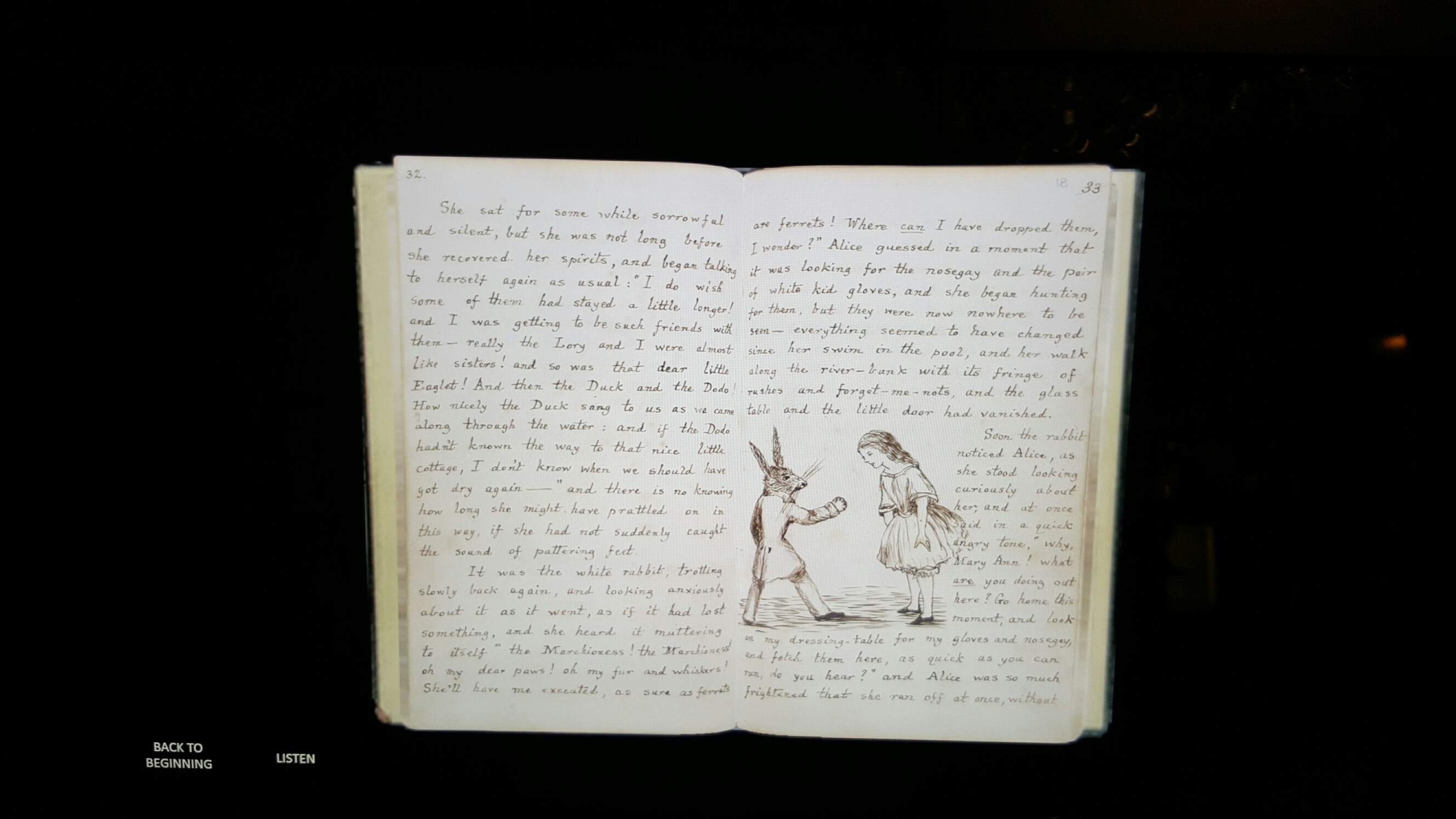
Over the Christmas period I celebrated my unbirthday by going to the Alice in Wonderland Exhibition at the British Library (one of the best free exhibitions to be found in London ever). It really was very special looking at Lewis Carroll’s original notebook complete with  hand-drawn illustrations (presented to the British museum in 1948). Carroll enthusiastically engaged with maths, photography and Pre-raphaelitism but it is Alice’s story that unites all these elements to glorious and bewildering effect. ‘Alice’s Adventures Underground’, inspired by Carroll’s friendship with Alice Liddell, was sent to Macmillan in 1863 and the rest is history, but there is still a lot to learn about the book and this is what the exhibition teaches.

I was amused to discover that he originally named the story ‘Alice in Elfland’ in his diary in 1862. Tenniel was brought in to illustrate the printed book but looking at the manuscript edition most of the visualizing of the characters had already been done by Carroll himself (something that I had not realised). There are stunning drawings of Alice, the Cheshire Cat, The Queen of Hearts etc. in the notebook. Tenniel I now know, only perfected what Carroll had already drawn and imagined (though he did give the Mad Hatter a top hat). As an illustrator Tenniel started to assert his independence in Through the Looking Glass (1872). He cheekily turned down the opportunity to illustrate some of the minor characters which were eventually cut from the book. We will never know the wonders of the ‘wasp in a wig’ for example because of this! He mistakenly thought his talent would be demeaned by such delights.

Another noteworthy discovery was the fact that Carroll struck up a friendship with Christina Rossetti. The influence of Alice on ‘Goblin Market’ now seems plausible and Carroll’s illustrations in turn are shaped by Pre-raphaelite sensibilities (this is evident in the notebook).

20151223_174517_resized_1

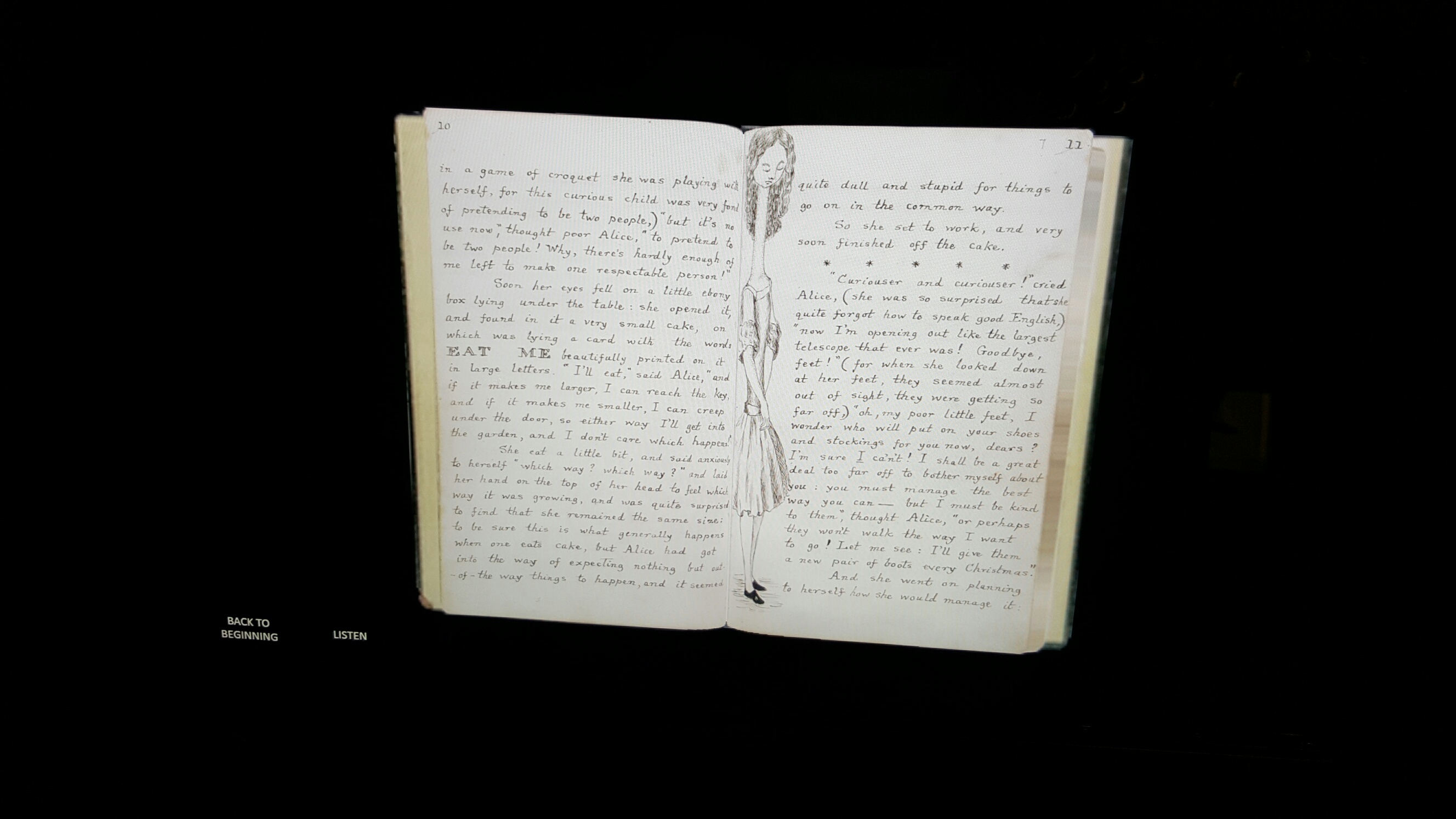
As I studied the exhibits I marveled at Carroll’s imagination again and again. I chuckled at the pool of tears section in the notebook when Alice opens out like a telescope and thinks she will never see her feet again. She imagines being kind to them and sending presents addressed to

Alice’s Right Foot esq.
Hearthrug
Near the fender (with Alice’s love).

I love the insubordination in Alice’s adventures too, particularly in the court scene:

Off with her head! The Queen shouted at the top of her voice. Nobody moved. ‘Who cares for you?’ said Alice (she had grown to her full size by this time). ‘You’re nothing but a pack of cards!’

Alice’s retorts, her questioning of adult authority and her subversive vision of the world are the perfect antidote to didactic works in which children are under the influence of powerful educators and mentors. Alice is no paragon, but her condemnation by the adults she encounters only serves to subvert the notion of original sin (that children are somehow born sinning and must be subject to rigid discipline or corporeal punishment to return them to a state of native innocence).

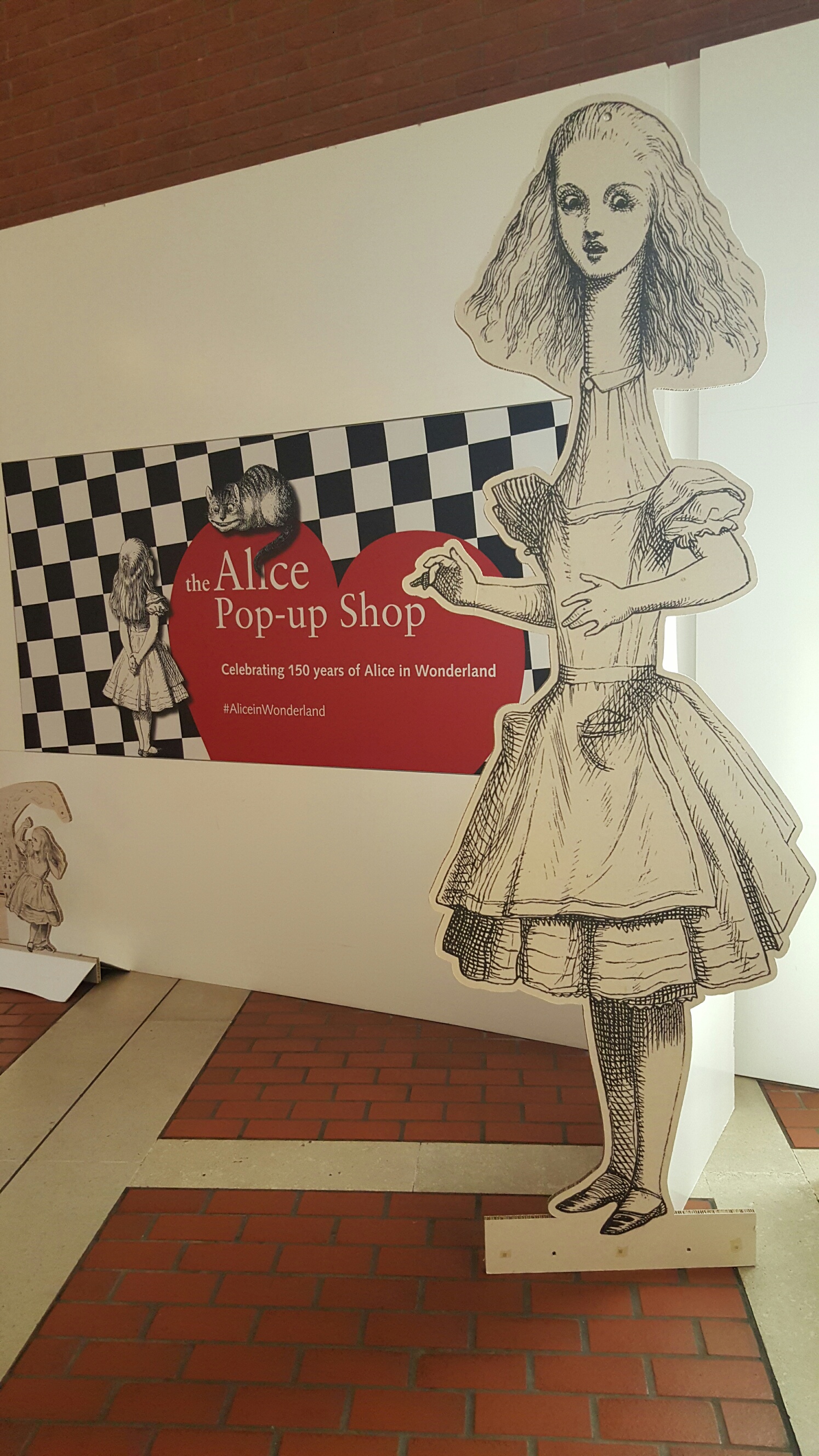
There are some striking adaptations and among the Wonderlandiana is a series of lithographs by Salvadore Dali (1969) and illustrations by Mervyn Peake which are understandably dark having been produced after WWII. Films abound from 1903 onwards. I completed my Alice adventure with a listen to Jeffersen Airplane’s ‘White Rabbit’ from their ‘Surrealistic Pillow’ album before visiting the Alice shop and picking up some wonderland goodies. My unbirthday will definitely be Alice themed next year!

What a wonderful dream it has been! Do adventure at the BL yourself if you can (on until April).

Posted in Critical thoughts, Events, exhibitions, Fun stuff | Tagged | Leave a comment

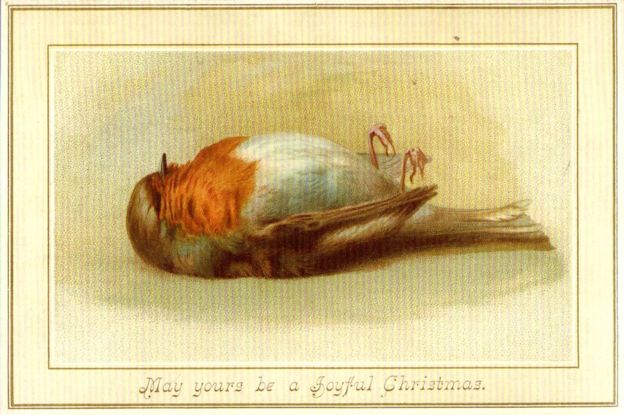
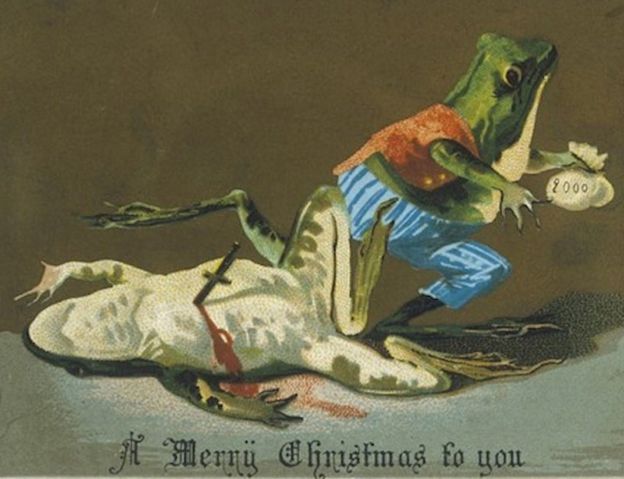
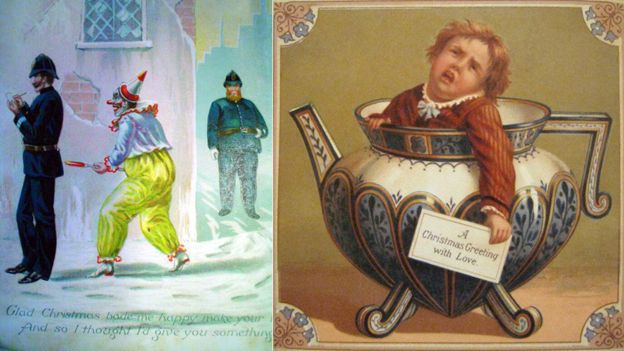
Creepy Merry Christmas Victorian Style

We’ve been sending Christmas cards since 1843 but the Victorians had a slightly different take on the festive season looking at these unsettling images. You can read more about the ghosts of Christmas past through the eyes of the Victorians and view more of these images in Frog Murder and Boiled Children on the BBC pages. I really enjoyed this article.

_87038618_deadbird21880s

_87035150_frog-murder

_87038624_not-so-nice

Posted in Critical thoughts, Fun stuff | Tagged | Leave a comment