Sea Changes with Molly the Merrow: Latest news

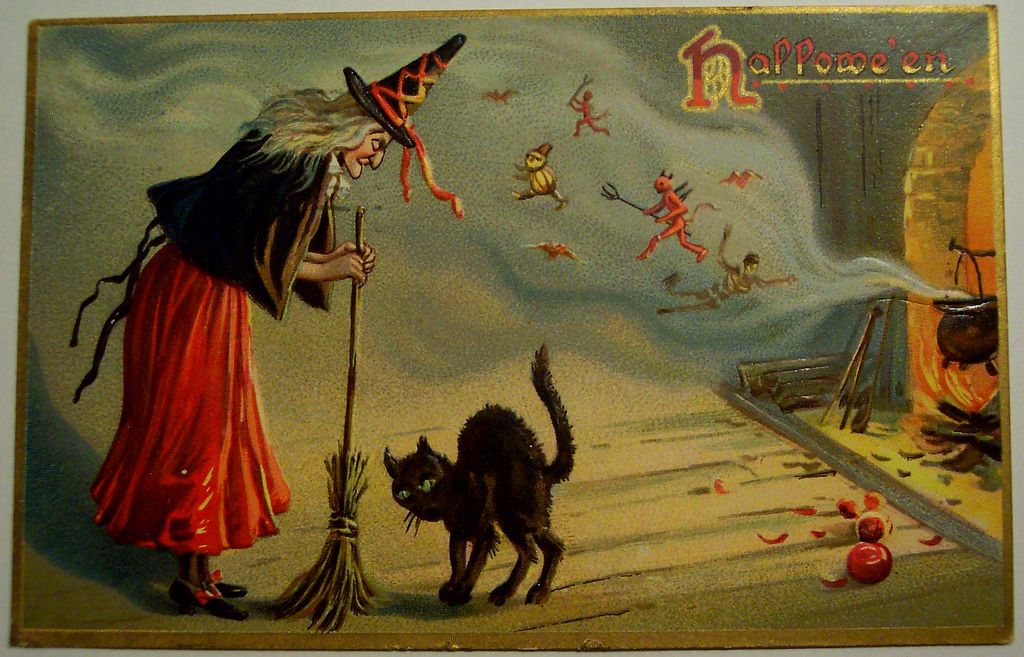
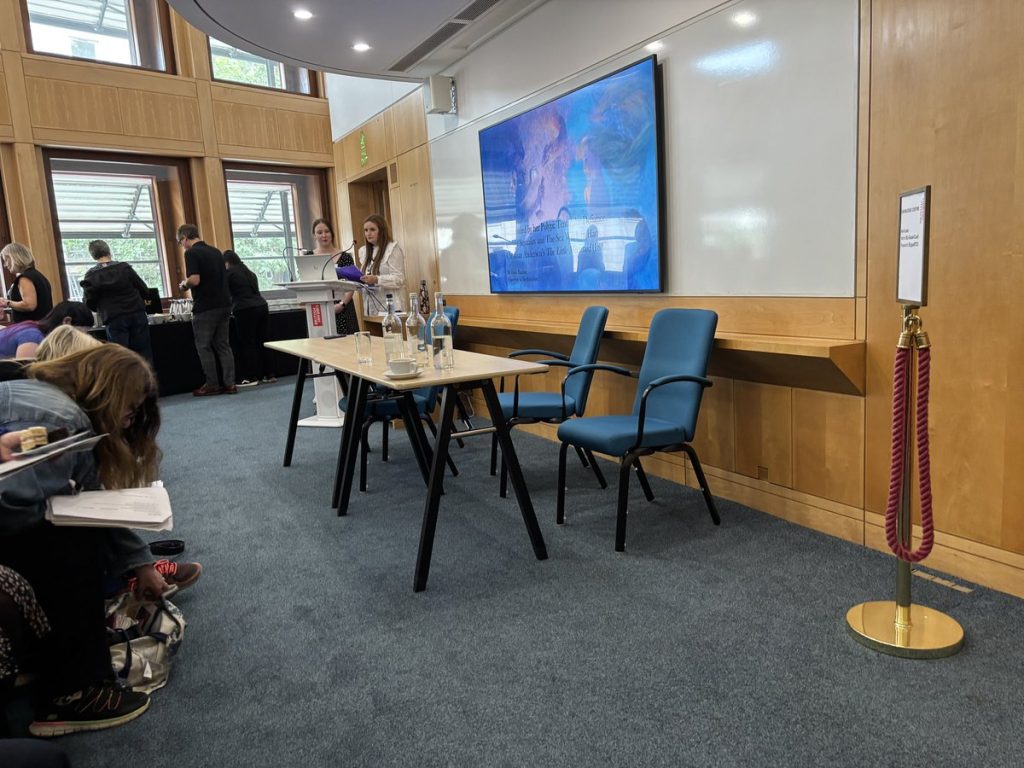
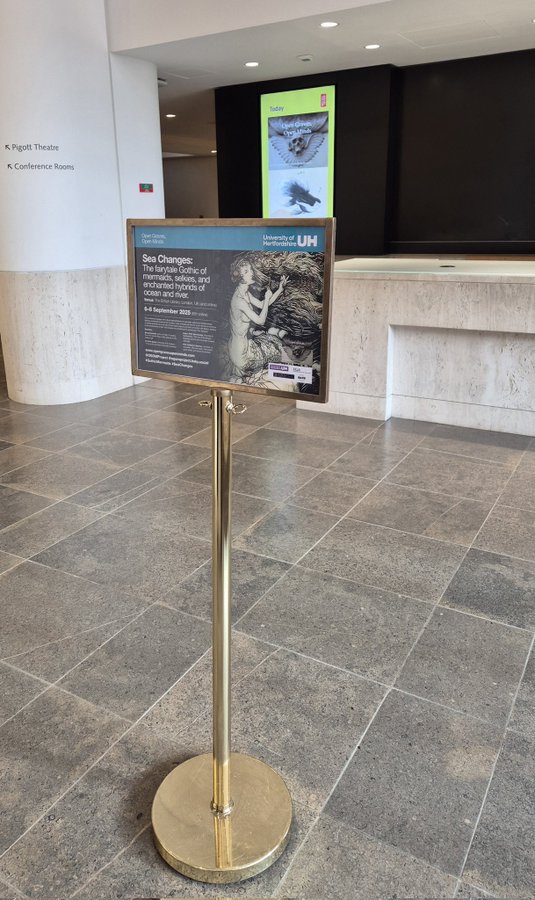
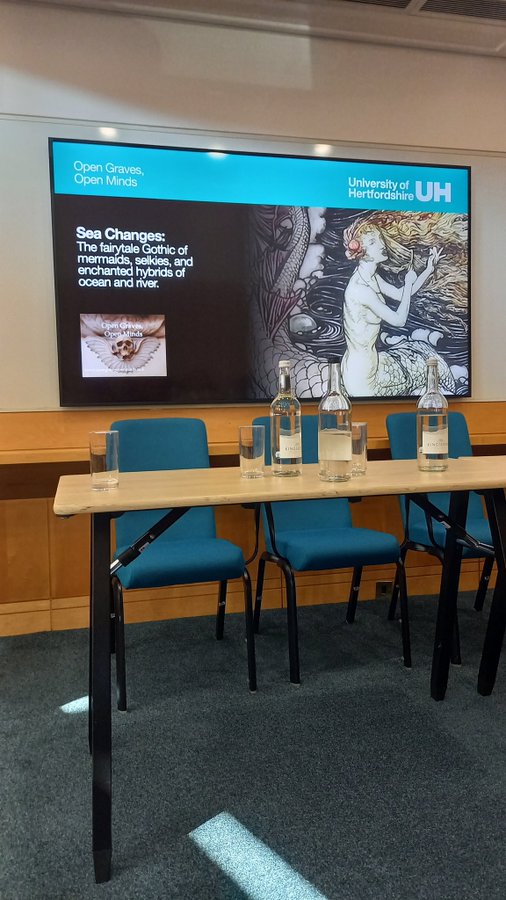
A few words on how the Sea Changes conference planning is progressing. First, let me introduce you to Molly the Merrow, from the waters off the coast of Ireland.

Female merrows, as you can see, are very beautiful; sadly, merrow-men are hideous.

Molly the Merrow v. Gomez

However, Gomez the cat did not share the common view of Molly’s beauty, and savagely attacked her – possibly mistaking her for a fish.

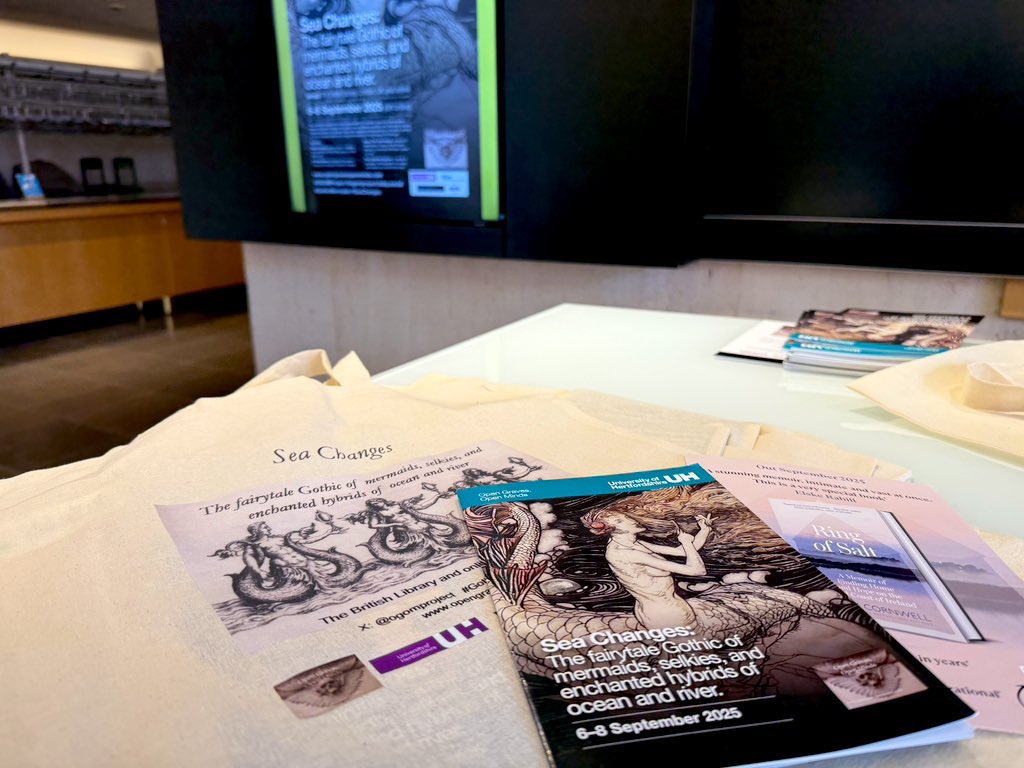
We now have the final version of the programme (we think!); we had a few cancellations, sadly but we think it’s settled now. There is a web page for it, accessible from the menus, and you can download a PDF version too. It is being sent to designers/printers, and we’ll soon have a really attractive glossy version available – downloadable, and handed out as a souvenir to those who attend in person.

There’s also a concise timetable that lists the sessions and their times without the fine detail. All these are available from the website menu, with other pages of information about travel and accommodation. In addition, there’s a rich treasury of resources such as bibliographies about mermaids, selkies, and their kin which we will be adding to and revising continually – even after the conference is over, providing a permanent site for research.

We have put the abstracts (and speakers’ biographies) up on a page where you can see speakers and paper titles then, by clicking on these, expand them accordion-style to reveal the full detail.

We are very excited! The abstracts you’ve submitted are all fascinating, suggesting intelligent and innovative research, covering such themes and perspectives as: hybridity, the eco-Gothic and Gothic generally, aquatic romance, gender, sexuality, and feminism; myth-making and storytelling, folklore and fairy tale; postcolonialism, posthumanism, and Critical Theory Narratives of merfolk and kindred creatures that you have explored are in such diverse media as: epic and lyric poetry, music, opera, painting, ballet, and contemporary novels, YA and adult, that rework folklore into a variety of narratives. You have uncovered representations from antiquity through the Restoration and eighteenth century, then the Romantic period, the Victorian age, and finally the present day.

Molly and her tragigic little cousin (beautifully illustrated by Christian Birmingham)

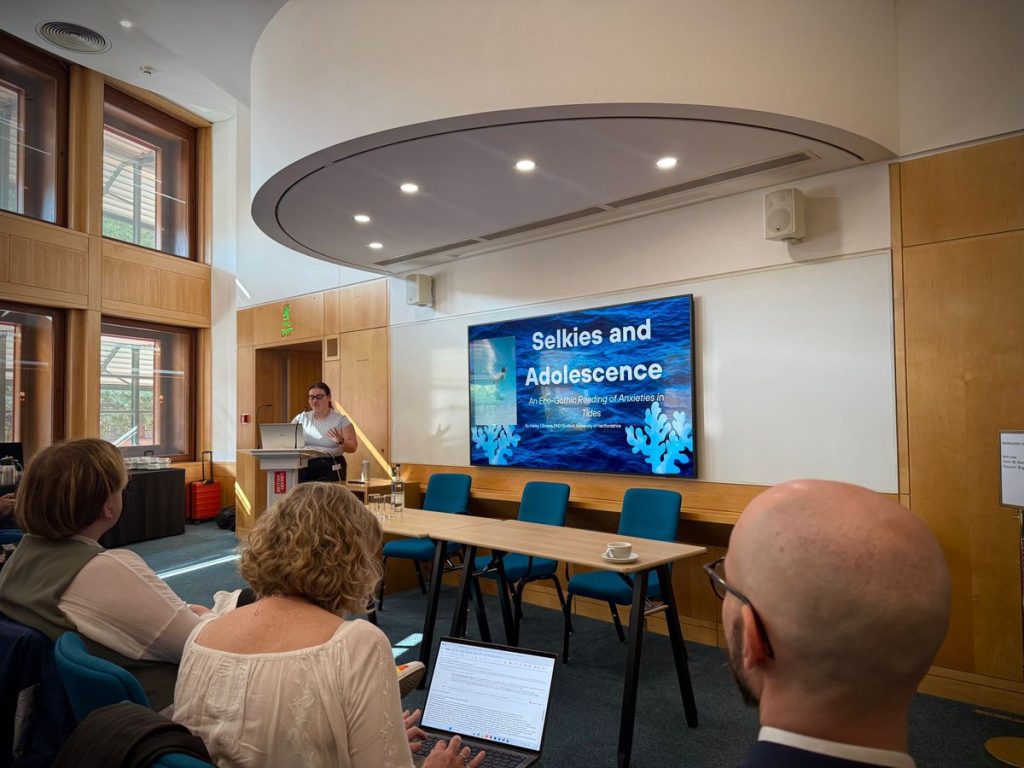
There are sirens here, and water-nymphs, the nykur and the Kraken, Sea-Apes, kelpies, ningyōs, lamia, and undines – an entire bestiary of beings oceanic and riverine. Famous incarnations such as Mama Wata, Melusine, and Jenny Greenteeth appear too.

These water-beings are global; they have swum from Ireland and Scotland, Scandinavia, Italy, Greece, countries in Africa, China, India, Japan, Singapore, Mexico, and Southern USA. This parallels the global provenance of our speakers and the migration of all the heterogeneous ideas that have coalesced together.

Though diverse, and written from a variety of stances, common themes and interconnections emerge, which justifies having a conference on these enchanted Gothic creatures in the first place.

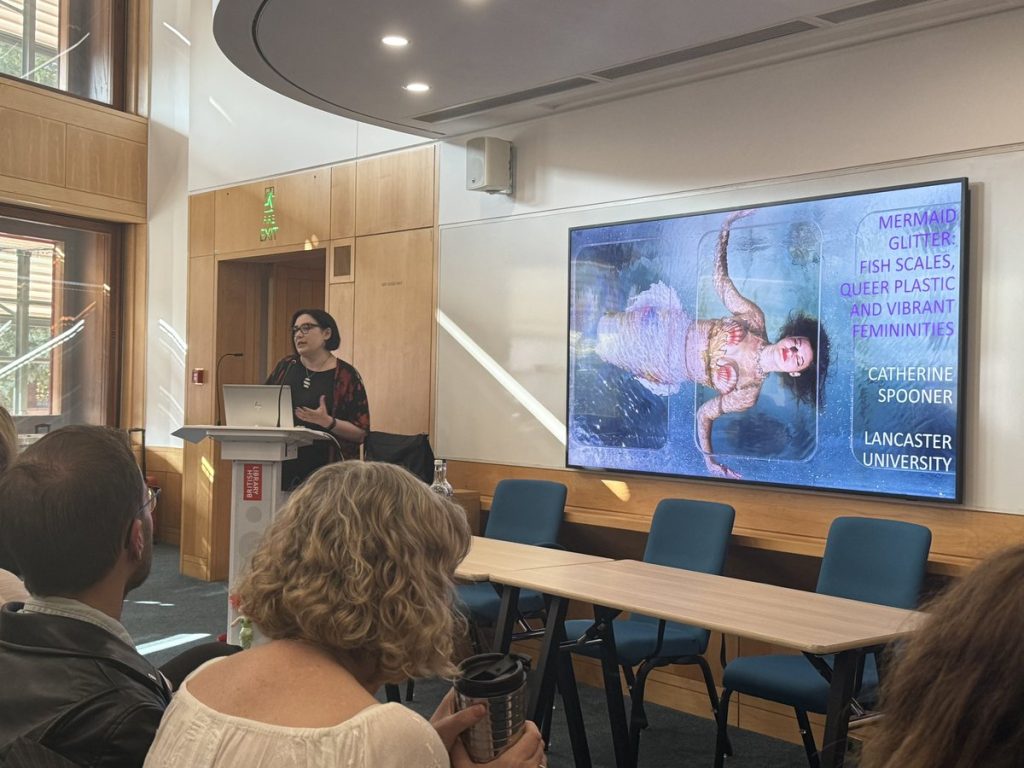
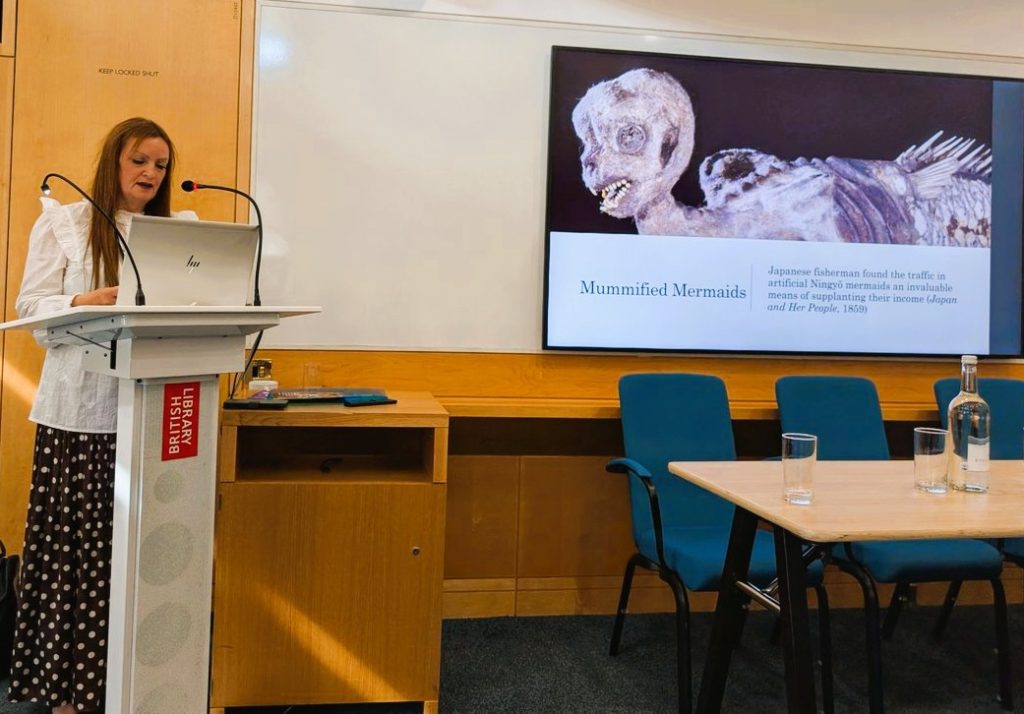
The plenaries contribute to this colourful diversity, with talks on significance of the selkie for autobiographical dives into the self; Romantic Scotland and the creation of the mermaid figure; the hybrid nature of the Japanese ningyō; glittery mermaids, sexuality, and New Materialism.

Thank you all for being the foundation for what we expect to be a wonderful conference – we couldn’t do it without you.

Posted in OGOM: Sea Changes | Tagged , , , , , , , , , | Leave a comment

1816: The Year Without a Summer – Polidori, the musical; and OGOM research

John William Polidori, by F. G. Gainsford, oil on canvas, circa 1816.
NPG 991. © National Portrait Gallery, London.
John William Polidori, by F. G. Gainsford, oil on canvas, circa 1816. NPG 991. © National Portrait Gallery, London.

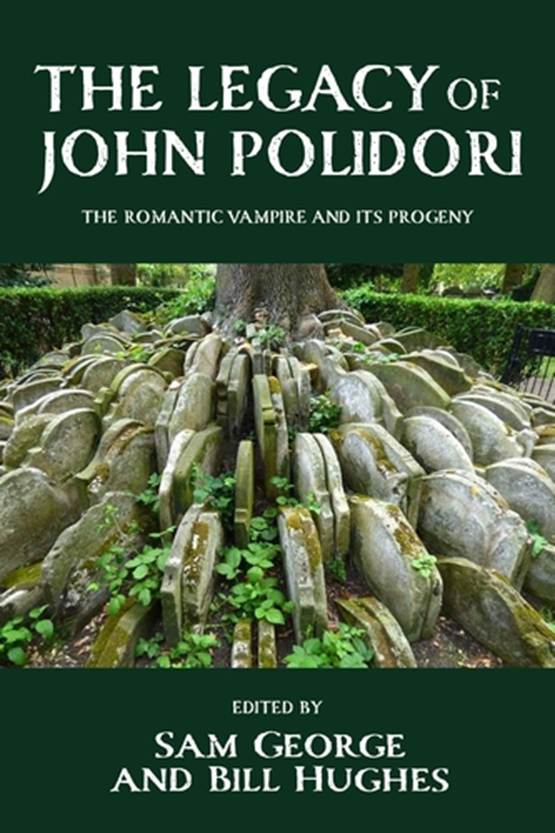
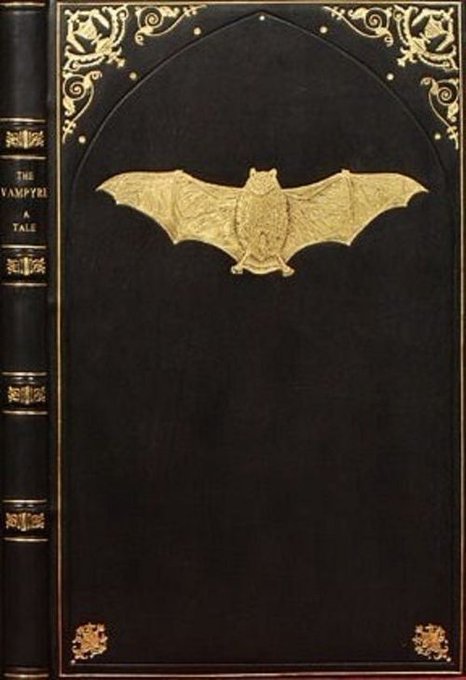
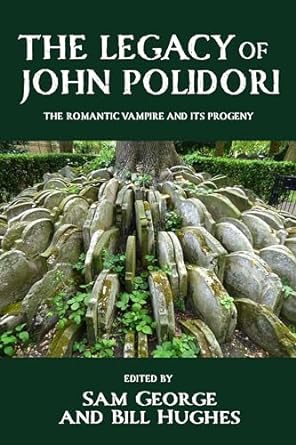
OGOM’s book on John William Polidori (1795-1821) (who wrote the first vampire tale in English, ‘The Vampyre’, in 1819), The Legacy of John Polidori: The Romantic Vampire and its Progeny has been out nearly a year.

Now, the perfect accompaniment has arisen: a musical about Polidori: 1816, to be staged from August onwards in London and then Cambridge. And we are flattered that its creators, Natasha Atkinson and Nat Riches were inspired and assisted in part by our website and the pioneering research of Dr Matt Beresford, who gained his doctorate on Polidori’s life and work under the supervision of Dr Sam George. Nat told us in an email:

During research, a large portion of the information particularly about Polidori and the dynamic between him and Byron came from reading Matthew Beresford’s PhD thesis on this subject – it was such an interesting read, and definitely played a role in how we approached characterising Byron and Polidori!

And also, ‘Reading your website and work was absolutely a factor in shaping our approach to the show’.

Matt was one of two students to receive a bursary from UH to study for a PhD under OGOM (‘The Lord Byron / John Polidori Relationship and the Development of the Early Nineteenth-Century Literary Vampire’). We later staged a Polidori symposium and developed the research that was presented there into chapters for our book. Following this research, we are organising a Polidori Gothic tour, planned for October 2025, based around the research Sam George undertook on the mystery surrounding his burial place in St Pancras Old Church.

St Pancras Old Church exterior. © 2024 Sam George.

Polidori as hero

Polidori has been resurrected in a curious way quite a few times; he has featured as a fictional character in several novels and films, as vampire and as victim, as we recount in the introduction to our book. And sometimes he has been treated quite atrociously (see Ken Russel’s over-the-top 1986 film Gothic). It’s refreshing, then, to see a fictional Polidori treated with respect; this talented young man who died too early deserves it at last.

Natasha and Nat’s musical sounds fascinating, both dramatically and in terms of its metatextual use of music; we’re honoured to have contributed in a small way. As we intended with our book, the musical aims to redeem Polidori and rescue him from the neglect he has suffered. As Nat says:

I particularly wanted to tell Polidori’s story and do justice to his tale, which is often discarded in favour of the more famous writers who were present.

1816: The Year Without a Summer

1816 at The Camden Fringe banner

The haunted summer is adapted once more, this time in the form of a musical.
Villa Diodata, Lake Geneva, Switzerland

Bringing to life Polidori’s diary of the summer at Lake Geneva, 1816 shines a new light on the events of the time spent at the Villa Diodati, focusing on the long-neglected stories behind the towering legacies of Lord Byron and Mary and Percy Shelley. Combining Romantic-era music with musical theatre, the one-hour-long comedy-drama by Natasha Atkinson and Nat Riches will bring the Romantics to present-day audiences at the Camden Fringe this August 6th and 7th.

Nat and Natasha studied music together in high school before going on to degrees in Science and Law, respectively, at Cambridge. Despite this, they continued to pursue their creative passions, culminating in this project. Uniting art and sciences, as Polidori and the Shelleys did in their own lives and literary works, is a key theme running through the musical.
The show’s focus on the impact Polidori had on the vampire genre, and the mistreatment of both him and Claire Clairmont, offers a new perspective on the summer and the literary greats who were present. Polidori narrates the events as they are told in his diary, playing his role as both a member of the group and as the one documenting everything that occurred during the summer of 1816. His solo song, ‘The Vampyre’, explores in great depth how his relationship with Byron inspired the creation of his novel.
Lord Byron, by Richard Westall (1813). NPG 4243. © National Portrait Gallery, London.

The writing of the Romantics plays a central role in 1816 and is adapted both into the script and into various songs throughout the musical. An extract from Byron’s poem ‘To Thomas Moore’ is sung as a toast with Percy Shelley. Claire’s ballad is structured as if it is a letter to Byron and is made up of various snippets from her actual writings. The music itself takes inspiration from multiple places, with more typically Classical sounds in the earlier songs, including a strong Mozart and Beethoven influence for the opening. As the tension rises, more Romantic sounds are used, such as the Rachmaninoff-esque, heavy textures in Frankenstein, and rhythms similar to those of composers such as Liszt, who himself was greatly influenced by Byron’s poetry.

1816 is being performed at Theatro Technis in Camden, London, at 9pm on the 6th and 7th August 2025, with further runs in London in late September, and Cambridge in mid-October. The link below contains tickets and more information about the show:

https://www.theatrotechnis.com/whatson/1816%3A-the-year-without-a-summer

Posted in Events | Tagged , , , , , , , , | Leave a comment

Gramarye: Rats and vampires, dark fairies, mermaid, and more magic

The latest issue of Gramarye, the journal of the Chichester Centre for Fairy Tales, Fantasy and Speculative Fiction is now out. This journal is always beautifully designed, and the current issue features articles by Sam and myself, from OGOM.

Sam’s article is ‘The mythical interactions between the Pied Piper, Dracula and Nosferatu: Rat kings and the rate as vampiric totem animal’.

Sam George's article

And I have this article in the journal: ‘Generic hybridity and the critique of instrumantalism in the enchanted landscapes of Dark Fairy Romance’.

Bill Hughes's article
Simon Young's article

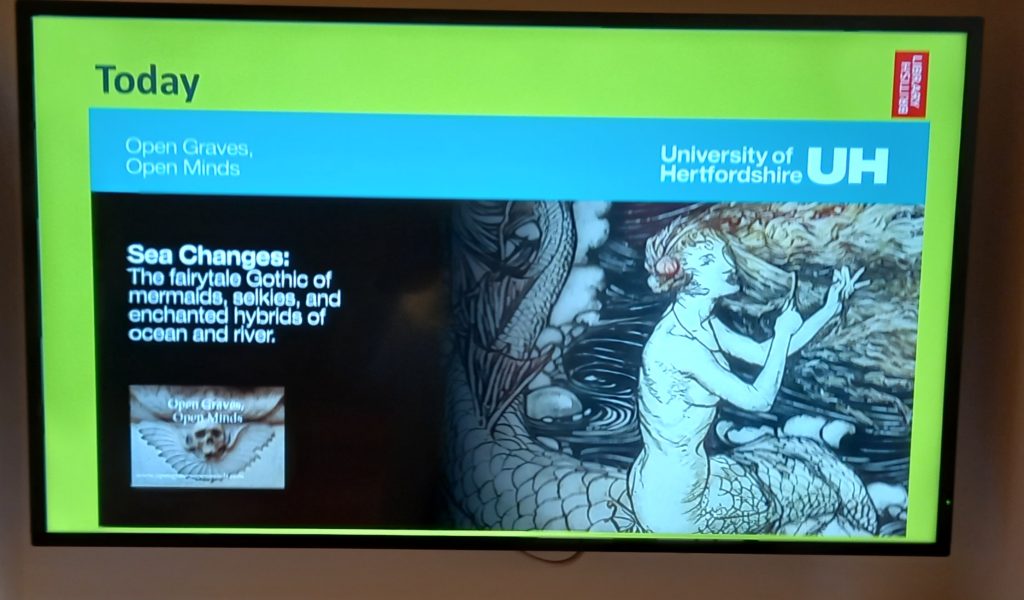
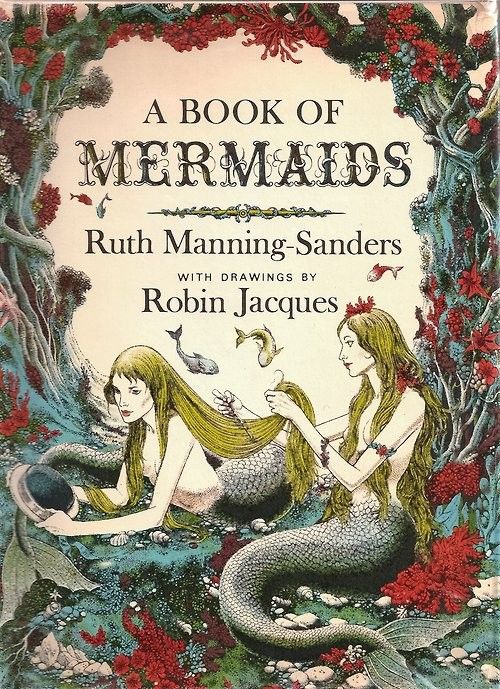
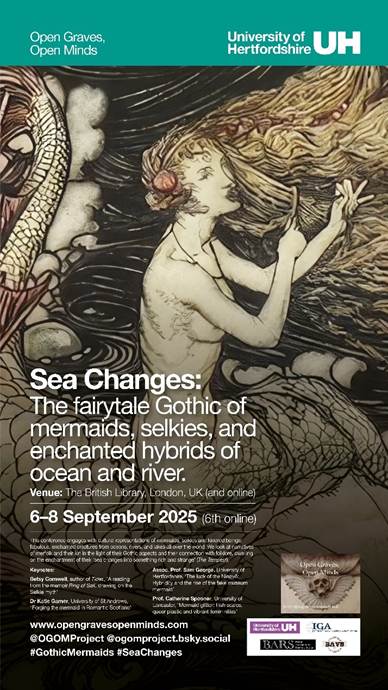
There are many more magical delights in this issue, with fiction and poetry alongside critical essays and book reviews. Of particular interest is Simon Young’s ‘Like a mermaid: The evolution of mermaids in British and Irish similes, 1850–2000. A brilliant essay that would make excellent background reading for OGOM’s September 2005 conference, Sea Changes: The fairytale Gothic of mermaids, selkies, and enchanted hybrids of ocean and river.

Posted in OGOM Research, Publications | Tagged , , , , , , , , , , | Leave a comment

OGOM BOOKS ON SPECIAL OFFER UNTIL 7 JULY

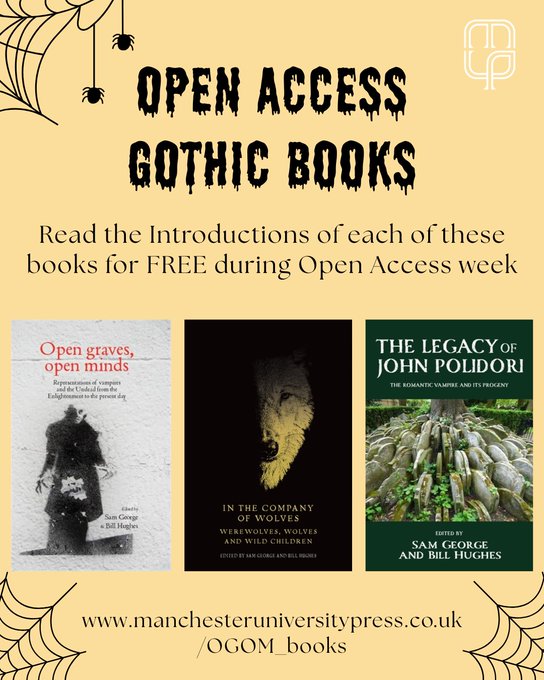
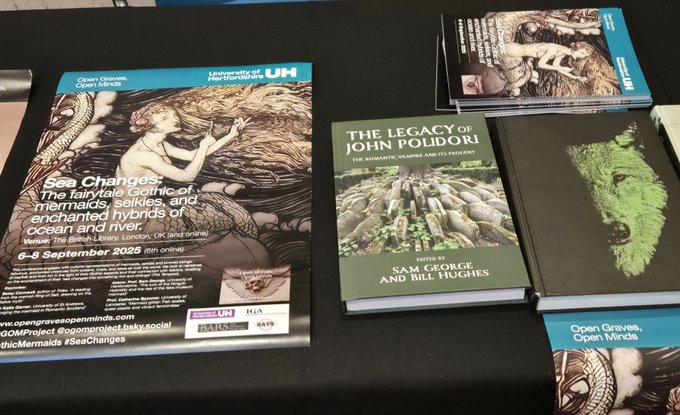
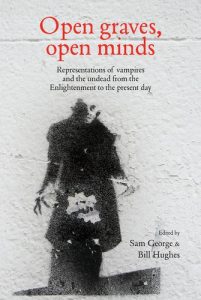
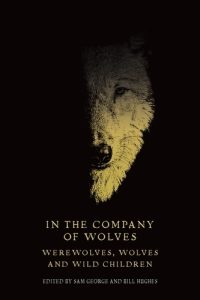
Our publishers MUP currently have a summer sale where you can purchase half price books until 7th July 2025!! These include In the Company of Wolves and The Legacy of John Polidori: The Romantic Vampire and Its Progeny.

Use the code Sun50 at the checkout of the MUP website. And if you need further inspiration you can check out the fabulous Gothic MUP Reading List. A chance to grab some gothic swag and sort out all your summer reading in one go!! We hope you enpoy the read.

Posted in OGOM News | Tagged , , , , , | Leave a comment

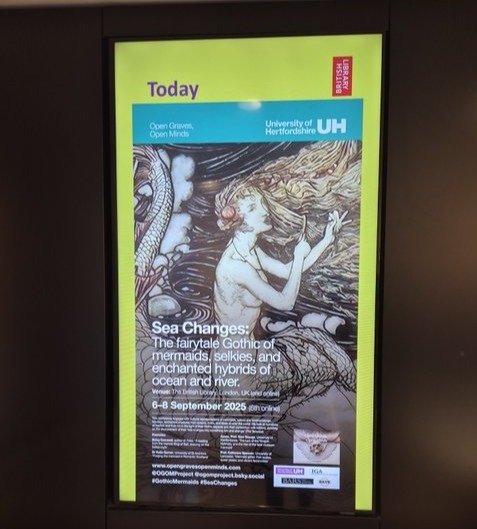
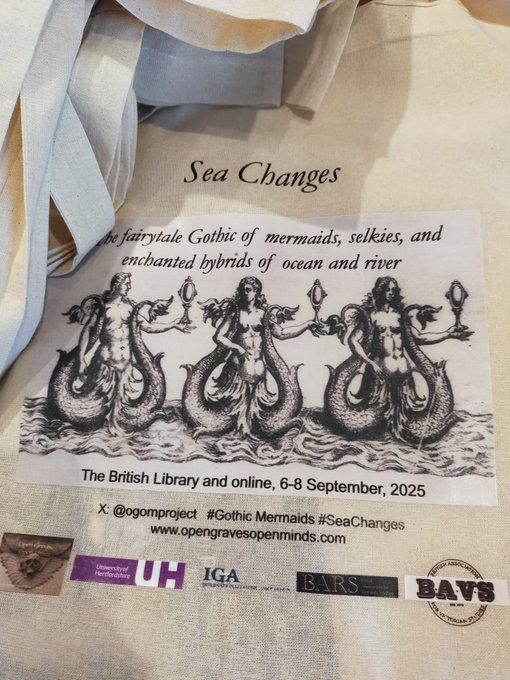
Sea Changes – Mermaid Conference Update

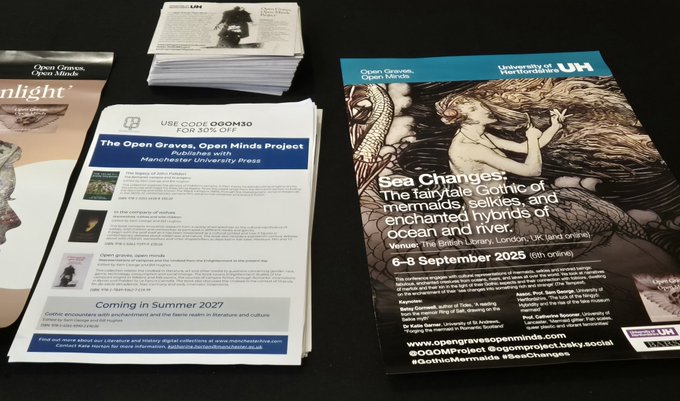
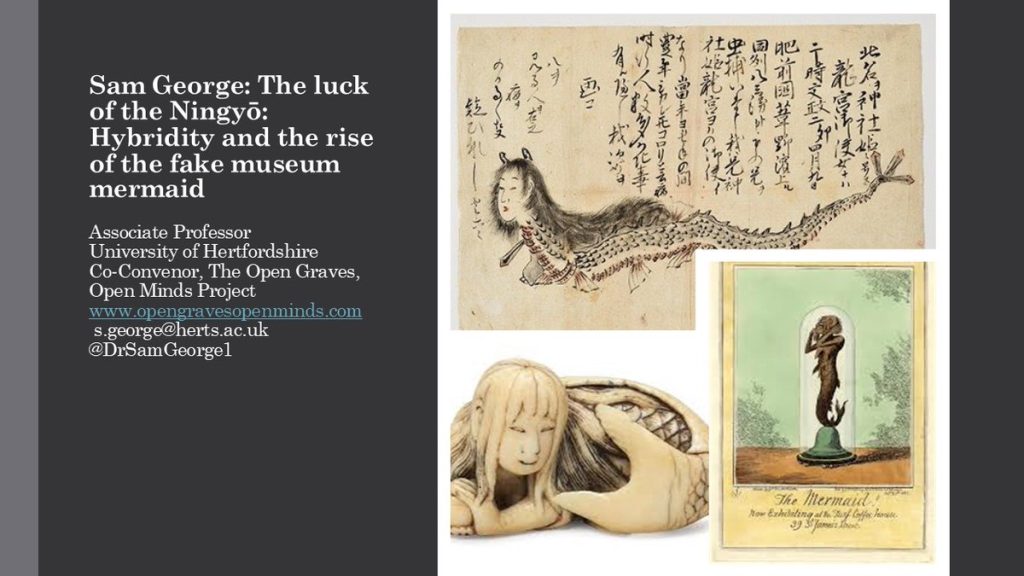
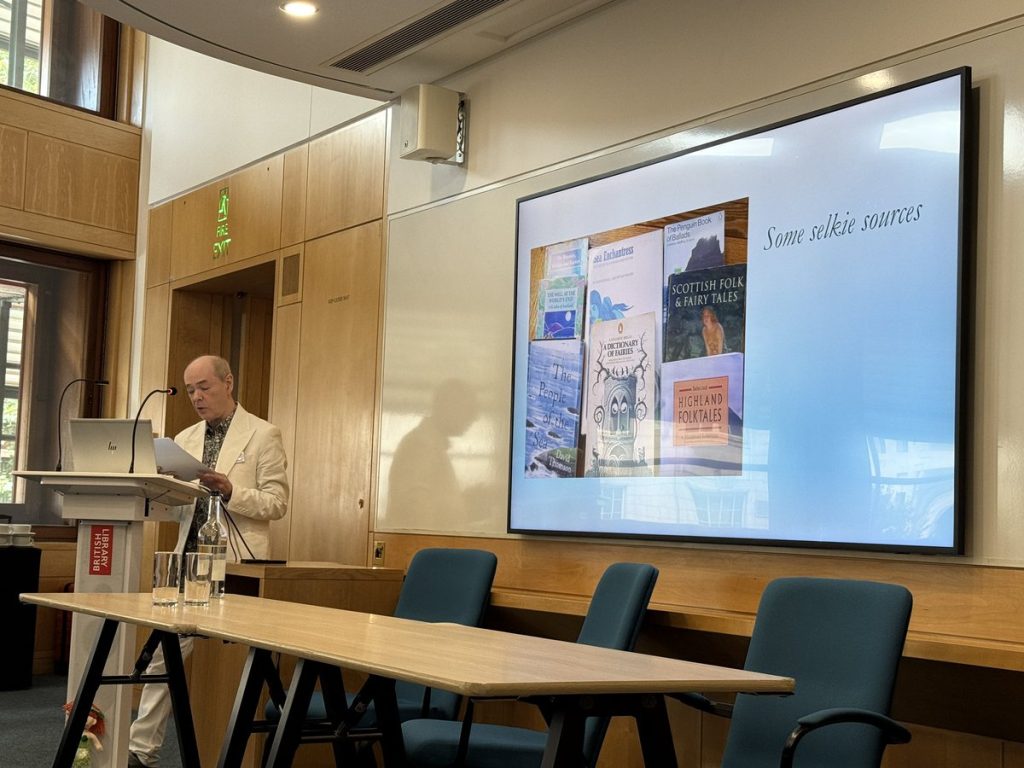
Due to the wonderful response to our CFP for Sea Changes: The fairy tale Gothic of mermaids, selkies, and enchanted hybrids of ocean and river the conference will now take place over three days rather than two from 6-8 September 2025. Saturday 6th will be online (via Teams) with the 7th and 8th taking place in-person at The Knowledge Centre at the British Library. Our keynotes will be spread over the 3 days. The online day (Sat) will have a special focus on writing and mermaid fiction. The plenary talks will be by Monique Roffey, author of The Mermaid of Black Conch, on Caribbean mermaids; Betsy Cornwell, author of selkie novel Tides, on her forthcoming selkie-inspired autobiography Ring of Salt, and Dr Katie Garner on her Forging the Scottish Mermaid Project. The in-person days will have more of a gothic theme with keynotes from Prof Catherine Spooner, ‘Mermaid Glitter: Femininity, vibrant matter and environmental politics’, and Assoc. Prof Sam George, ‘The Luck of the Ningyō: Hybridity and the rise of the fake museum mermaid’.

The conference pages and full programme will be posted on this website shortly. The prices for tickets for the conference will be as follows:

Standard Fee full conference£160.00
Standard Online Fee Day 1£35.00
Standard Fee Day 2£80.00
Standard Fee Day 3£80.00
PG/Unwaged Fee full conference£95.00
PG/Unwaged Online Fee Day 1£25.00
PG/Unwaged Fee Day 2£47.50
PG/Unwaged Fee Day 3£47.50

We’re beyond excited to welcome everyone and certain the conference will make a real splash (pardon the pun). We have some surprises for delegates and attendees, including a mini exhibition of illustrated mermaid books from the British Library collections that we are planning to be on display at the venue during the conference. Gothtastic!

For enquiries, please email ogomproject[@]gmail[dot]com

Posted in Conferences, Events, OGOM: Sea Changes | Tagged , , , | Leave a comment

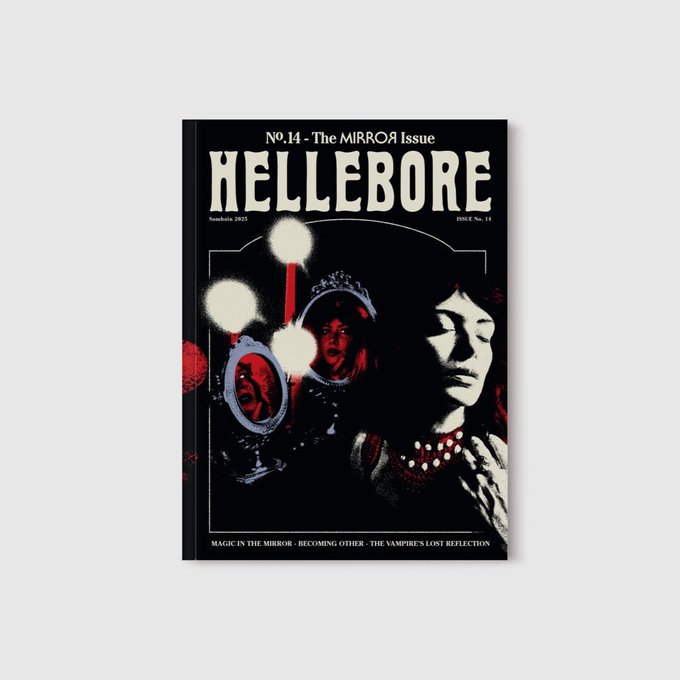
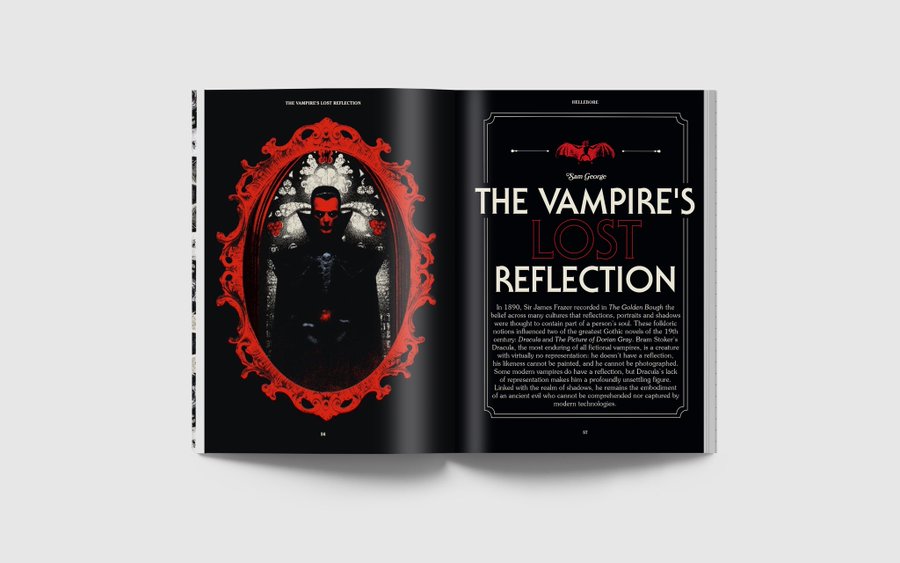
Hellebore: The Elemental Issue

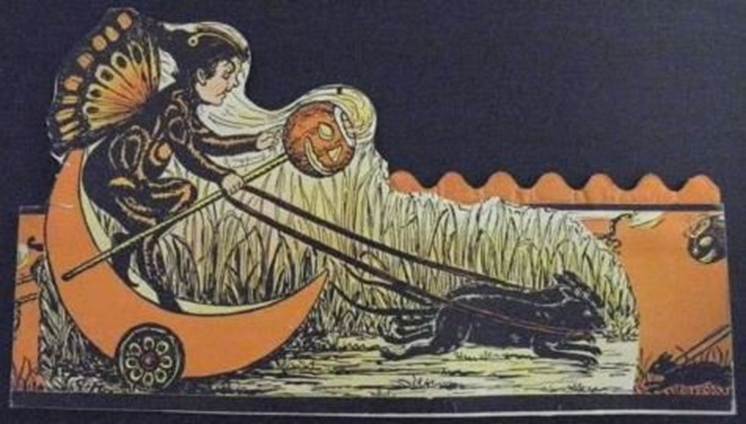
The latest issue of Hellebore is a little bit special as it is the Elemental issue for Beltane 2025. I have contributed an article on ‘Fairy Lepidoptera’ which shows the fae to be part of a shadowy tradition allied to the soul’s flight and to butterflies and moths. Also featuring in this issue are Francis Young, ‘An Earthly History of the British Gnome’ and Veronica Strang, ‘Summoning the Water Serpent’, together with lively essays on the wind and the witch, healing stones, stormbringers, and megaliths. The art work is outstanding and the issue is brilliantly edited by Maria L Perez Cuervo. If you haven’t familiarised yourself with Hellebore yet than this issue might be the one to get. The back catalogue is well worth an online browse too via helleborezine.com.

“The most erudite journal on the current scene to deal with Paganism, magic and folklore in the realms of modern history, fiction and popular culture… Ever-exciting and always accessible.” (Ronald Hutton)

Posted in OGOM Research, Reviews | Tagged , , , , , , | Leave a comment

Mind the Gap: OGOM at the Creative Arts Research Student Showcase

Three of our OGOM PhD students are taking part in Mind the Gap: Creative Arts Research Student Showcase next week where they will give an overview of their research.

Date: Wednesday 21st May, 9.30-5.15

Venue: University of Hertfordshire, College Lane Campus, ASE Building

I will be there in my role as supervisor to cheer them along. Their papers will be as follows:

Jane Gill, ‘Ecophobia and the Monstrous Feminine in Nineteenth-Century Gothic Literature and Visual Art (1800-1920)’

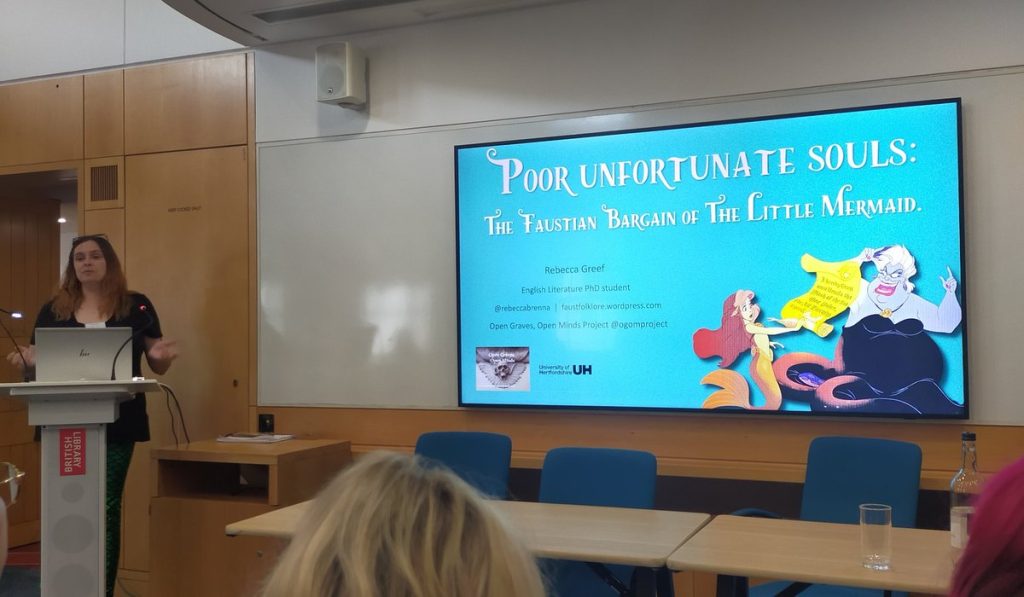
Rebecca Greef, ‘Deals with the Devil: The Faustian Bargain in Young Adult Literature’

Shabnam Ahsan, ‘Strange Creatures: National Identity and the Representation of the Other in British Fairytale Collections From 1878 to the Present’

Good luck everyone!! These are fascinating research areas!

Posted in OGOM Research | Tagged , , , , , , , , , , , , , , , | Leave a comment

Return to the Enchanted Forest: Review of My Neighbour Totoro (play) by Jane Gill

My Neighbour Totoro, winner of six Olivier Awards, is now playing at the Gillian Lynne Theatre in London’s West End. The show is an adaptation of the 1988 animated feature film (dir. by Hayao Miyazaki) from Studio Ghibli and is performed by the Royal Shakespeare Company (Executive Producer Joe Hisaishi, directed by Phelim McDermott, and adapted by Tom Morton-Smith (writer of the play Oppenheimer (2015)).

From the moment the show began, I was transported into a magical world set in 1950s rural Japan. A charming tuk-tuk-style van chugs across the stage, carrying Satsuki, Mei, and their father as they move from the bustling city of Tokyo to their new home in the countryside. Their move isn’t just a change of scenery—it’s a heartfelt decision to be closer to their mother, who is recovering in a nearby hospital. Joe Hisaishi successfully brings the magic of the animated tale to the stage with apparently effortless style. We are about to reconnect with the child inside all of us.

The tale

Right away, the contrast between the bright lights of Tokyo and the quiet rural setting is evident, emphasising that the family are newcomers to the community. This sense of being outsiders not only adds an intriguing layer to their journey but also introduces a subtle gothic touch that isn’t as pronounced in the animated version.

This gothic atmosphere is further enhanced by the eerie presence of soot sprites in the creaky old house. Whispers of hauntings fill the air, reinforcing the house’s unsettling aura. The property is cared for by an elderly neighbour, affectionately known as ‘Granny’, who bears a striking resemblance to Granny Oldknow from The Children of Green Knowe. She reassures the girls, explaining that ‘if the soot sprites decide they like you, they’ll just leave you alone’. But this raises an unsettling question—what happens if they don’t?

The soot sprites soon recognise that the family are good people, and under the glow of the full moon, they take their leave, drifting away and granting the newcomers peace. It is then that Totoro and his friends make their first appearance, leaving behind a mysterious trail of acorns. Mei eagerly follows, leading to a whimsical moment where the creatures emerge from beneath the stage in a playful ‘whack-a-mole’-style reveal.

The show’s message is clear: be kind to nature, and the spirits of the forest will be kind to you. Yet beneath this gentle wisdom lies a more unsettling implication—what if one isn’t respectful? Could the forest spirits, so full of wonder and mischief, also be capable of something far more ominous? The girls are able to see the elusive forest spirits, as only children can. They are taken on a magical adventure in the enchanted forest under the giant Camphor tree that they, nor I, will ever forget.

Transformation: From screen to stage

In Hayao Miyazaki’s animated version, Mei is playing in the garden of the haunted cottage when she finds a broken bucket, looks through a hole in the bottom of it and sees a gleaming acorn winking at her from the grass. The film then takes viewers on a magical journey through the forest where we, along with Mei and Satsuki, encounter mystical creatures including ones that Mei dubs ‘totoro’ as that is what their vocalisations sound like to her child’s ears. These forest creatures resemble huge owls or badgers or bears and it is their refusal to fit into any particular folkloric or natural category that adds to their gothic nature. The film draws out the child inside us all.

Joe Hisaishi successfully recreated the feel of the original film and brought its magic to the stage. The giant Totoro, the cat bus and the soot sprites all adhered to the spirit and ethos of Studio Ghibli. In the manner of C. S. Lewis’s The Lion, the Witch and the Wardrobe, the girls enter into a magical land, the enchanted forest: a spooky place but an underwhelming atmosphere as the smoke machines created a somewhat half-hearted mist on the ground. The spirits are benevolent, and the girls are not frightened (though I think I would be!). They have a sense of child-like wonder. The forest spirits are playful and kind and protect the girls. Satsuki and Mei are fantastically portrayed, but the show is as much a testament to the skills of the puppeteers and the special effects team.

The stage adaptation of My Neighbour Totoro subtly weaves in gothic themes more distinctly than the animated film. The contrast between bustling Tokyo and the quiet countryside emphasises the family’s outsider status, adding a sense of isolation. The old, creaky house—rumoured to be haunted—intensifies the eerie atmosphere, especially with the appearance of soot sprites, mysterious and ghost-like entities. Granny, the caretaker, offers cryptic reassurance, hinting at the sprites’ unpredictable nature: they may leave you alone if they like you.

This ambiguity introduces a sinister undertone—what if the spirits aren’t kind? Even Totoro and his forest companions, though whimsical, resist categorisation and carry an uncanny, almost folkloric mystique. The children’s ability to see them while adults cannot adds a layer of magical realism, tinged with the eerie. While the spirits ultimately protect the girls, there’s an unspoken threat beneath the surface: nature is powerful, magical—and possibly dangerous if disrespected.

(Jane Gill is a doctoral student at the University of Hertfordshire. Her PhD examines the monstrous feminine in nineteenth-century literature from an eco-Gothic perspective.)

Posted in Reviews | Tagged , , , , , | Leave a comment

Literature Research Seminar Series April-June 2025

I will be chairing the Literature Research Seminar Series again this semester. These talks are free to attend on Zoom and take place on Wednesdays at 1.30 for an hour. They represent staff and doctoral students in Literature and Creative Writing at the School of Creative Arts at the University of Hertfordshire. Do join us for a friendly forum online.

Published by Bowen -Merrill, 1901

1.30 Wednesday April 9

Brian Jukes, Doctoral Student, ‘Education as Body Horror: Hybridity and Specialisation in H. G. Wells’s The First Men in the Moon, 1901.’

Join via Zoom https://herts-ac-uk.zoom.us/j/94575921146

Meeting ID: 945 7592 1146

1.30 Wednesday May 7

Published Sept 2025 by Bloomsbury

Dr Kaja Franck, ‘Woods, Wolves and the Wilderness – An Ecogothic Reading of the Werewolf’.

Join via Zoom https://herts-ac-uk.zoom.us/j/95134658959

Meeting ID: 951 3465 8959

The Kiss of the Enchantress, Isobel Lilian Gloag, c. 1890, inspired by Keats’s ‘Lamia’

TO BE RESCHEDULED

Jane Gill, Doctoral Student, ‘Kiss of the Enchantress: The Monstrous Lamia of Romanticism from John Keats to Ernst Raupach’

Join via Zoom https://herts-ac-uk.zoom.us/j/95784709154

Meeting ID: 957 8470 9154

Posted in Events | Tagged , , , , , , , , | Leave a comment

Black-eyed Dracula! Review of Blackeyed Theatre’s production (touring from September 2024) by Jane Gill

Dracula poster

Nick Lane’s adaptation of Dracula preserves the eerie essence of Bram Stoker’s classic while adding a fresh, contemporary twist. The promotional blurb promises that ‘as a new shadow looms large over England, a small group of young men and women, led by Professor Van Helsing, are plunged into an epic struggle for survival’, and Lane delivers on this atmospheric promise with a gripping performance. The show is recommended for age 12+, which is an accurate rating as the horror is implicit throughout the production. The show is a digestible length at 150 minutes (including the interval).

Exactly one hundred years ago, at Derby’s old Grand Theatre, Dracula strode onto the stage for the first time. The venue closed in 1950, so the character outlived his theatrical birthplace. Blackeyed Theatre is on tour with a new version of Dracula to mark the centenary. The theatre group offer a vastly different Count Dracula to Hamilton Deane’s original. Nick Lane offers something new by dispensing with the dinner suit and opera cloak as well as the fangs made famous by Christopher Lee. This production adheres to the standard style of the Blackeyed Theatre, the emphasis being on words instead of action, but it is still imaginative, with a strong and passionate cast.

The play is structured in two acts. Act One unfolds from Jonathan Harker’s perspective, offering a glimpse into the harrowing events as seen through his eyes. Act Two then circles back to the beginning of the story, this time immersing the audience in Renfield’s point of view. Both acts stay true to the epistolary format of Stoker’s novel, maintaining the original structure while providing a fresh narrative lens that adds depth to the characters and the story. Lane’s adaptation strikes a brilliant balance between honouring the classic source material and giving it a dynamic, modern edge. Nick Lane recreates the de-ageing process by having three progressively younger actors playing the Count. This works well to an extent, but it does result in a loss of the fear factor for the Count, as with each character change we are somewhat taken out of the action in having to get used to a new actor playing the Count.

In spite of these shortcomings, there is still much to admire about the production. The six actors (Maya-Nika Bewley, David Chafer, Richard Keightley, Pelé Kelland-Beau, Marie Osman and Harry Rundle) play multiple roles, moving effortlessly from one character to another. They also take it in turns to be narrators as they relate the story through letters, diary entries and newspaper articles. Osman is outstanding with a thrilling display as Lucy Westenra, being transformed from an independent, modern-thinking woman into a possessed vampire whose charms have to be resisted.

It has been said that each era produces the monster it needs. This is very much the case here. Nick Lane’s monster, as a product of social mores, is in many ways similar to Vecna from the Duffer Brothers’ Stranger Things. Apparently, the monster that this generation needs is capable of breaking human bodies just by using mind power. Nick Lane explained in an interview that he ‘wanted to explore the idea that there is a more complex side to the human struggle against vampyrism’. Lane’s production attempts to explain what is happening biologically to the humans after the vampire attacks. Blood is drawn from the neck, but it is an exchange of fluids that takes over the victim’s personality. Since the first vampire attack occurs an hour into the production, the audience is subjected to a long-winded revelation of the human battle against vampirism. To Lane’s credit, he does give Dracula the voice that he lacks in the novel. If you enjoy productions that are politically correct and cast actors of a different gender or skin colour, then this certainly does so. Nick Lane casts a black woman to play both Lucy and Renfield. This is a positive step, but I would argue that Lane would have done better to create entirely fresh characters and consider writing from the vampire’s point of view. I enjoyed the atmospheric nature of the production, but it did feel rather long-winded in the first act. It held my attention admirably, but it could have benefitted from more ‘bite’. It could be described as Dracula for Academics.

(Jane Gill is a doctoral student at the University of Hertfordshire. Her PhD examines the monstrous feminine in nineteenth-century literature from an eco-Gothic perspective.)

Posted in Events, Reviews | Tagged , , , , , | Leave a comment