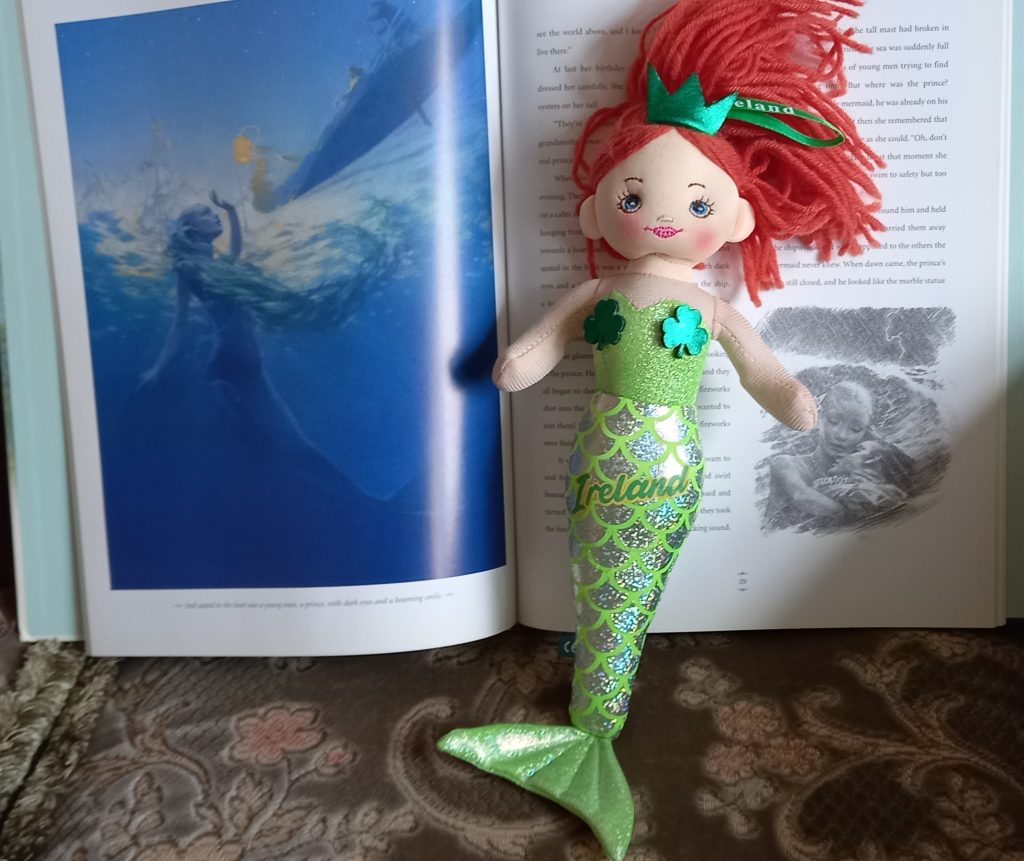
A few words on how the Sea Changes conference planning is progressing. First, let me introduce you to Molly the Merrow, from the waters off the coast of Ireland.
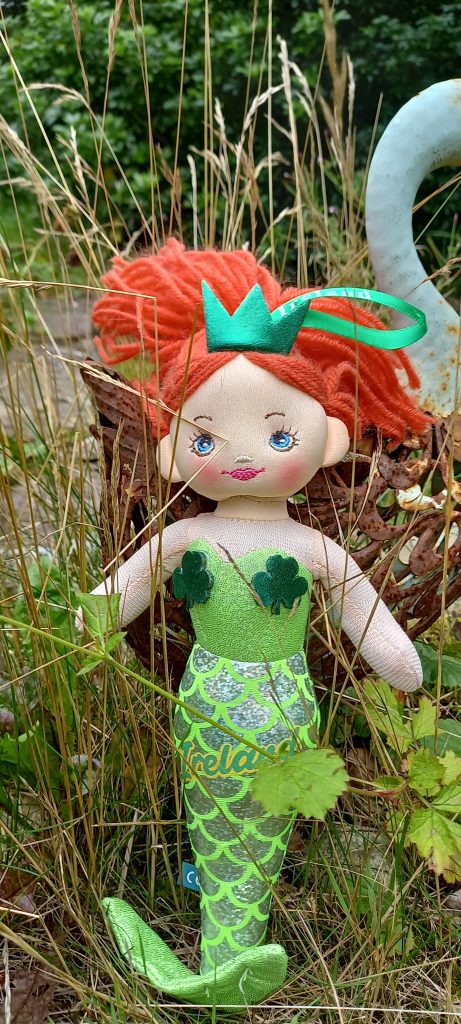
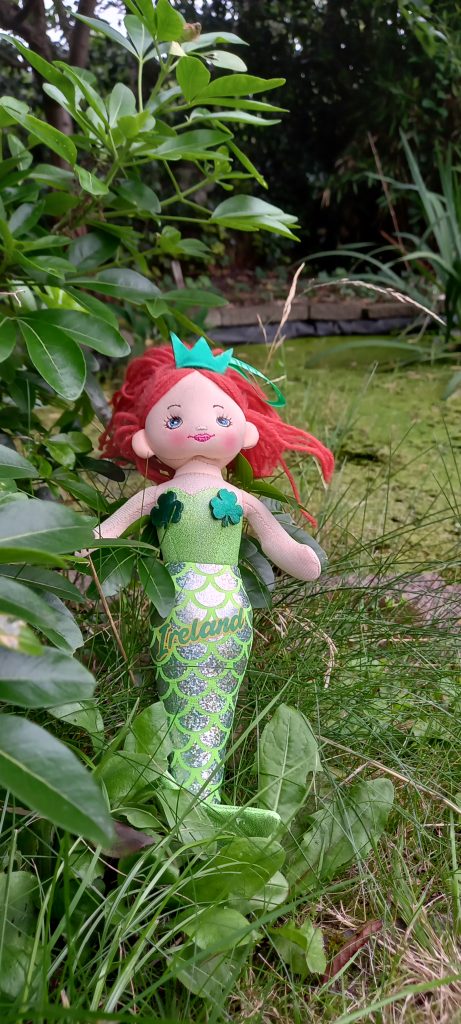
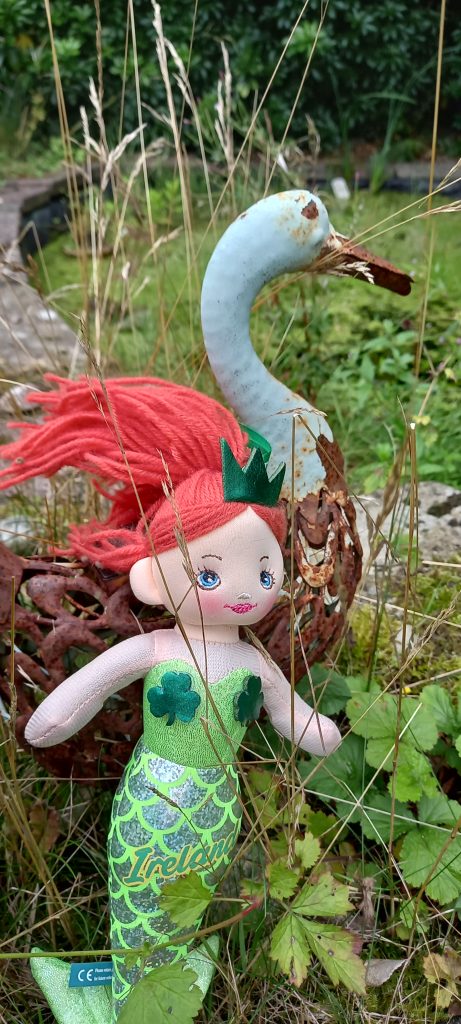
Female merrows, as you can see, are very beautiful; sadly, merrow-men are hideous.
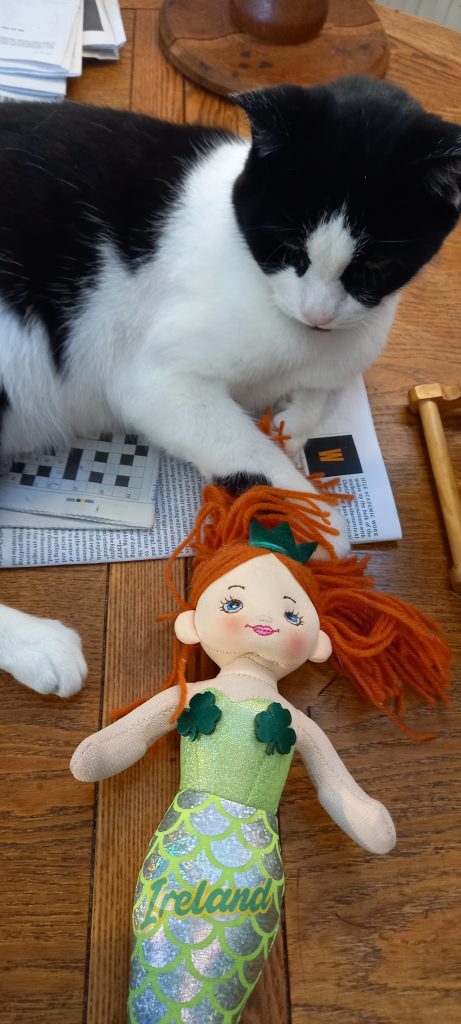
However, Gomez the cat did not share the common view of Molly’s beauty, and savagely attacked her – possibly mistaking her for a fish.
We now have the final version of the programme (we think!); we had a few cancellations, sadly but we think it’s settled now. There is a web page for it, accessible from the menus, and you can download a PDF version too. It is being sent to designers/printers, and we’ll soon have a really attractive glossy version available – downloadable, and handed out as a souvenir to those who attend in person.
There’s also a concise timetable that lists the sessions and their times without the fine detail. All these are available from the website menu, with other pages of information about travel and accommodation. In addition, there’s a rich treasury of resources such as bibliographies about mermaids, selkies, and their kin which we will be adding to and revising continually – even after the conference is over, providing a permanent site for research.
We have put the abstracts (and speakers’ biographies) up on a page where you can see speakers and paper titles then, by clicking on these, expand them accordion-style to reveal the full detail.
We are very excited! The abstracts you’ve submitted are all fascinating, suggesting intelligent and innovative research, covering such themes and perspectives as: hybridity, the eco-Gothic and Gothic generally, aquatic romance, gender, sexuality, and feminism; myth-making and storytelling, folklore and fairy tale; postcolonialism, posthumanism, and Critical Theory Narratives of merfolk and kindred creatures that you have explored are in such diverse media as: epic and lyric poetry, music, opera, painting, ballet, and contemporary novels, YA and adult, that rework folklore into a variety of narratives. You have uncovered representations from antiquity through the Restoration and eighteenth century, then the Romantic period, the Victorian age, and finally the present day.
There are sirens here, and water-nymphs, the nykur and the Kraken, Sea-Apes, kelpies, ningyōs, lamia, and undines – an entire bestiary of beings oceanic and riverine. Famous incarnations such as Mama Wata, Melusine, and Jenny Greenteeth appear too.


These water-beings are global; they have swum from Ireland and Scotland, Scandinavia, Italy, Greece, countries in Africa, China, India, Japan, Singapore, Mexico, and Southern USA. This parallels the global provenance of our speakers and the migration of all the heterogeneous ideas that have coalesced together.
Though diverse, and written from a variety of stances, common themes and interconnections emerge, which justifies having a conference on these enchanted Gothic creatures in the first place.
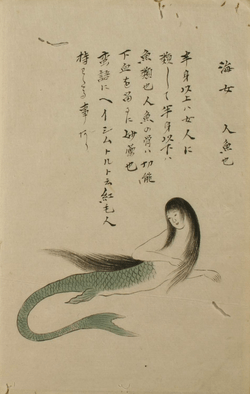
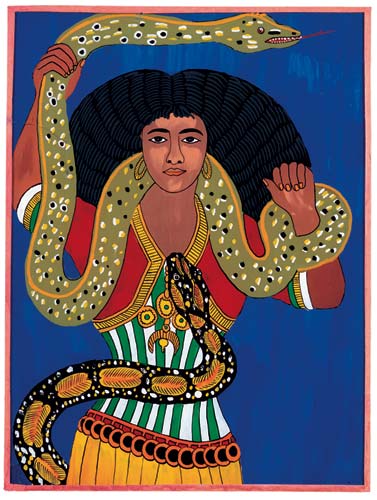
The plenaries contribute to this colourful diversity, with talks on significance of the selkie for autobiographical dives into the self; Romantic Scotland and the creation of the mermaid figure; the hybrid nature of the Japanese ningyō; glittery mermaids, sexuality, and New Materialism.
Thank you all for being the foundation for what we expect to be a wonderful conference – we couldn’t do it without you.
Discover more from Open Graves, Open Minds
Subscribe to get the latest posts sent to your email.
