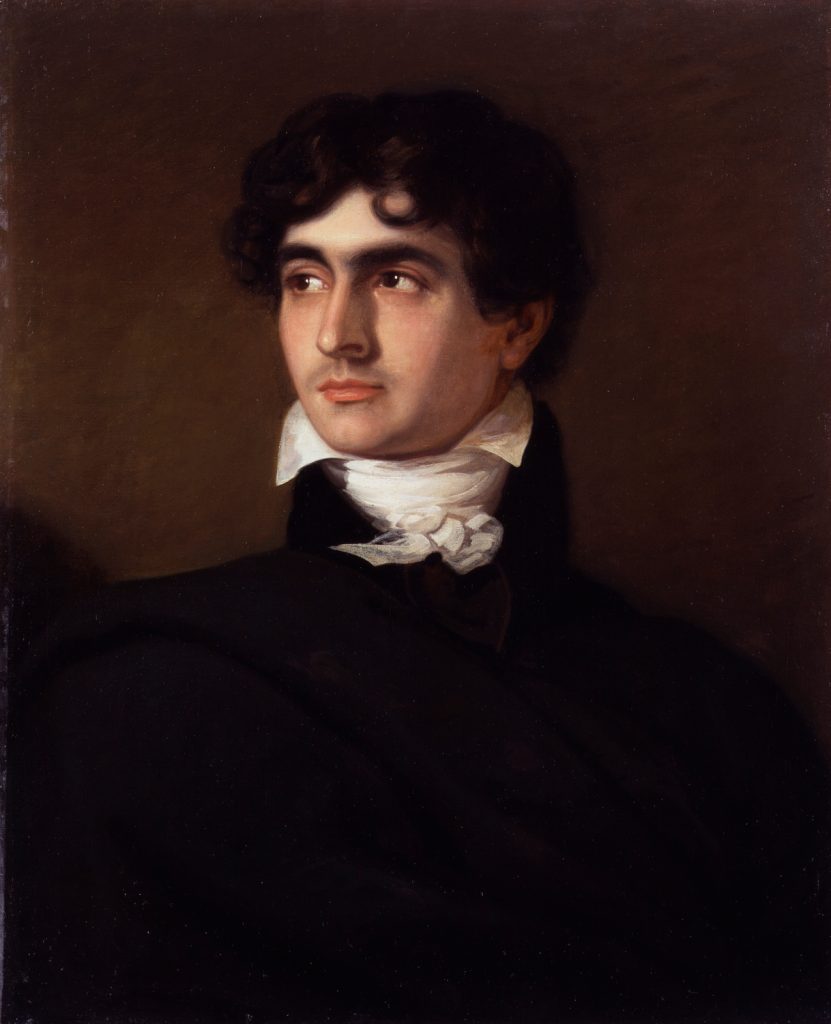
OGOM’s book on John William Polidori (1795-1821) (who wrote the first vampire tale in English, ‘The Vampyre’, in 1819), The Legacy of John Polidori: The Romantic Vampire and its Progeny has been out nearly a year.
Now, the perfect accompaniment has arisen: a musical about Polidori: 1816, to be staged from August onwards in London and then Cambridge. And we are flattered that its creators, Natasha Atkinson and Nat Riches were inspired and assisted in part by our website and the pioneering research of Dr Matt Beresford, who gained his doctorate on Polidori’s life and work under the supervision of Dr Sam George. Nat told us in an email:
During research, a large portion of the information particularly about Polidori and the dynamic between him and Byron came from reading Matthew Beresford’s PhD thesis on this subject – it was such an interesting read, and definitely played a role in how we approached characterising Byron and Polidori!
And also, ‘Reading your website and work was absolutely a factor in shaping our approach to the show’.
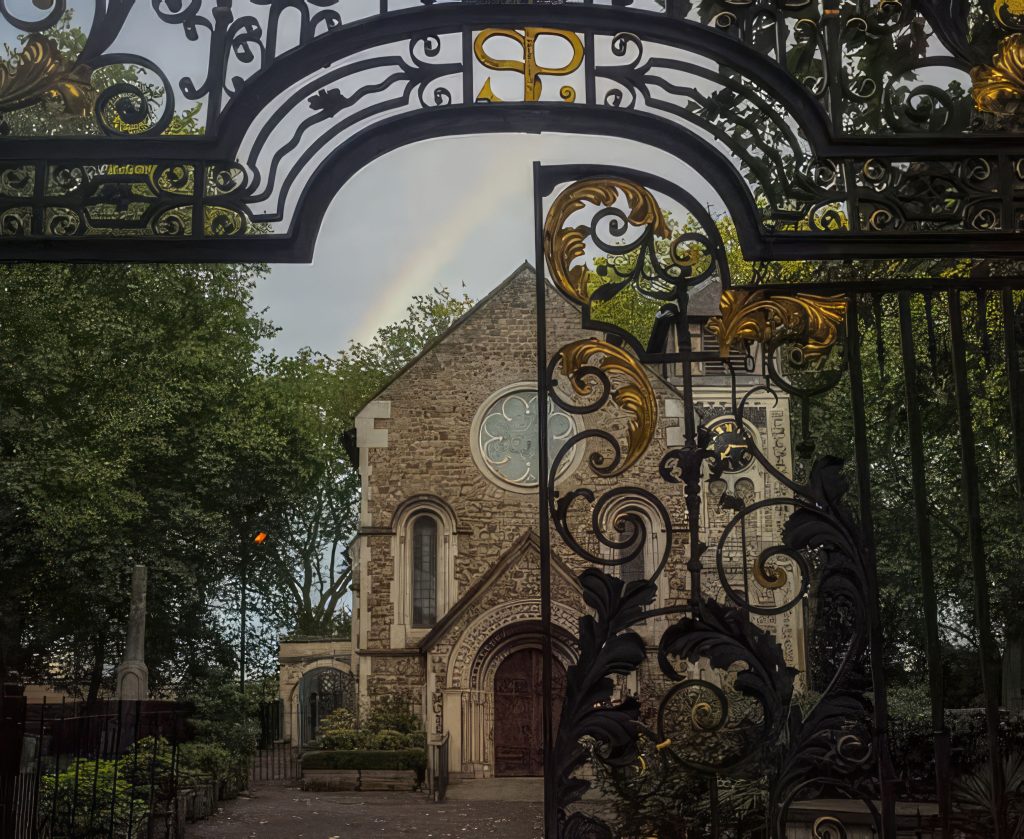
Matt was one of two students to receive a bursary from UH to study for a PhD under OGOM (‘The Lord Byron / John Polidori Relationship and the Development of the Early Nineteenth-Century Literary Vampire’). We later staged a Polidori symposium and developed the research that was presented there into chapters for our book. Following this research, we are organising a Polidori Gothic tour, planned for October 2025, based around the research Sam George undertook on the mystery surrounding his burial place in St Pancras Old Church.
Polidori as hero
Polidori has been resurrected in a curious way quite a few times; he has featured as a fictional character in several novels and films, as vampire and as victim, as we recount in the introduction to our book. And sometimes he has been treated quite atrociously (see Ken Russel’s over-the-top 1986 film Gothic). It’s refreshing, then, to see a fictional Polidori treated with respect; this talented young man who died too early deserves it at last.
Natasha and Nat’s musical sounds fascinating, both dramatically and in terms of its metatextual use of music; we’re honoured to have contributed in a small way. As we intended with our book, the musical aims to redeem Polidori and rescue him from the neglect he has suffered. As Nat says:
I particularly wanted to tell Polidori’s story and do justice to his tale, which is often discarded in favour of the more famous writers who were present.
1816: The Year Without a Summer
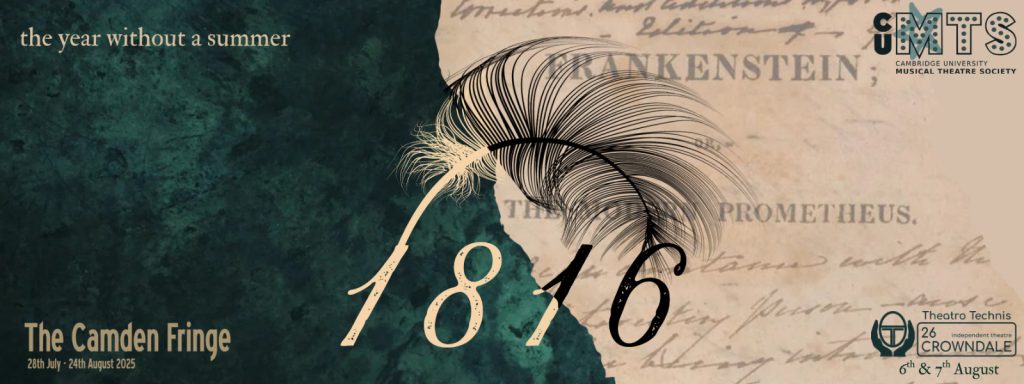
The haunted summer is adapted once more, this time in the form of a musical.
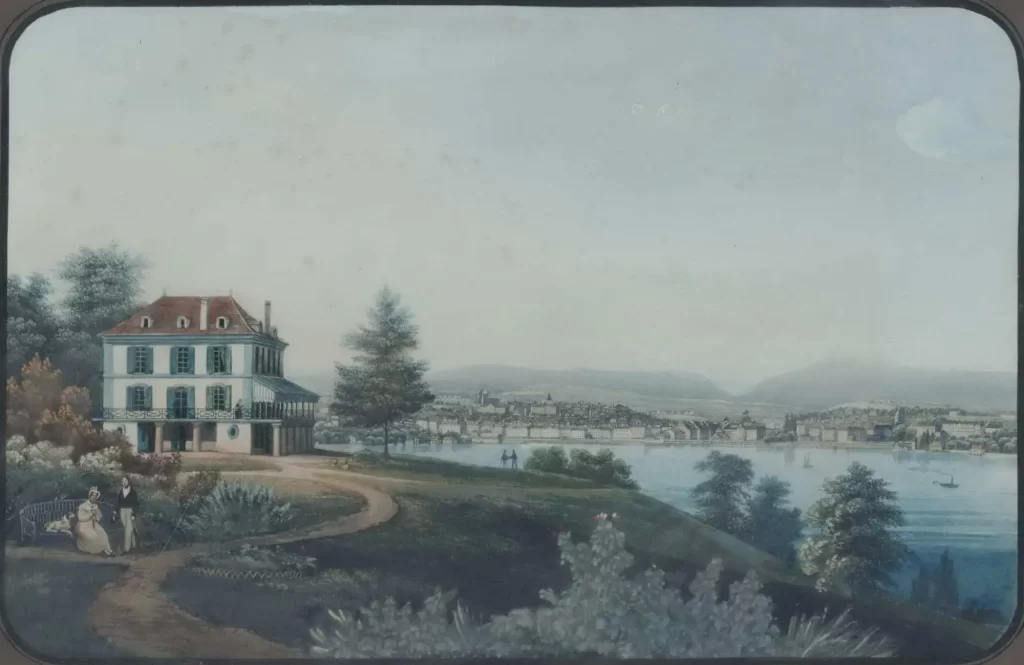
Bringing to life Polidori’s diary of the summer at Lake Geneva, 1816 shines a new light on the events of the time spent at the Villa Diodati, focusing on the long-neglected stories behind the towering legacies of Lord Byron and Mary and Percy Shelley. Combining Romantic-era music with musical theatre, the one-hour-long comedy-drama by Natasha Atkinson and Nat Riches will bring the Romantics to present-day audiences at the Camden Fringe this August 6th and 7th.
Nat and Natasha studied music together in high school before going on to degrees in Science and Law, respectively, at Cambridge. Despite this, they continued to pursue their creative passions, culminating in this project. Uniting art and sciences, as Polidori and the Shelleys did in their own lives and literary works, is a key theme running through the musical.
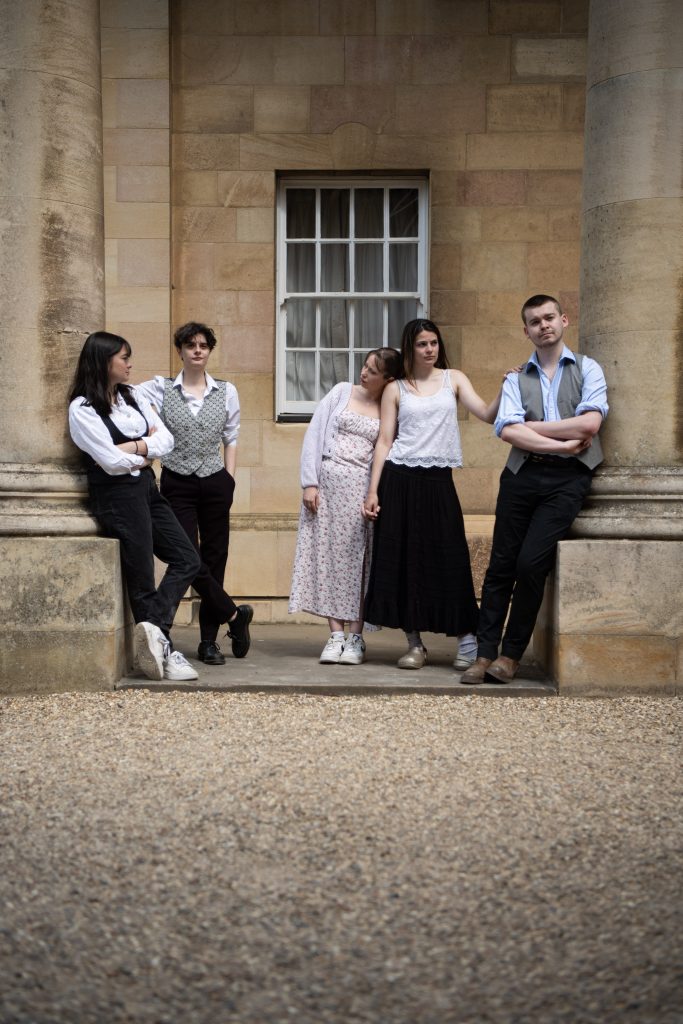
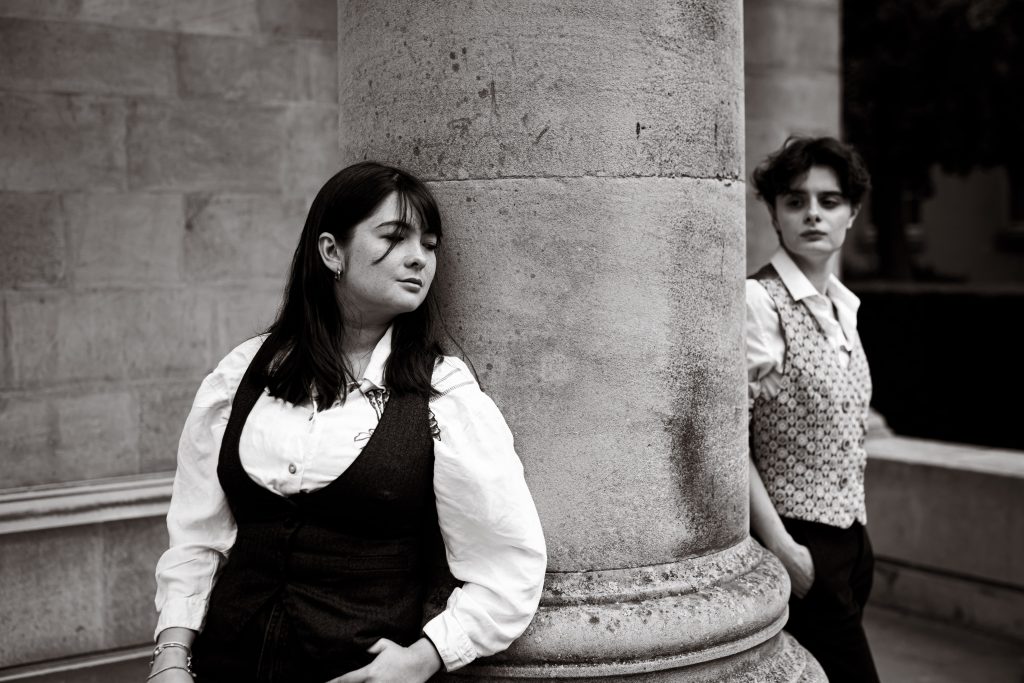
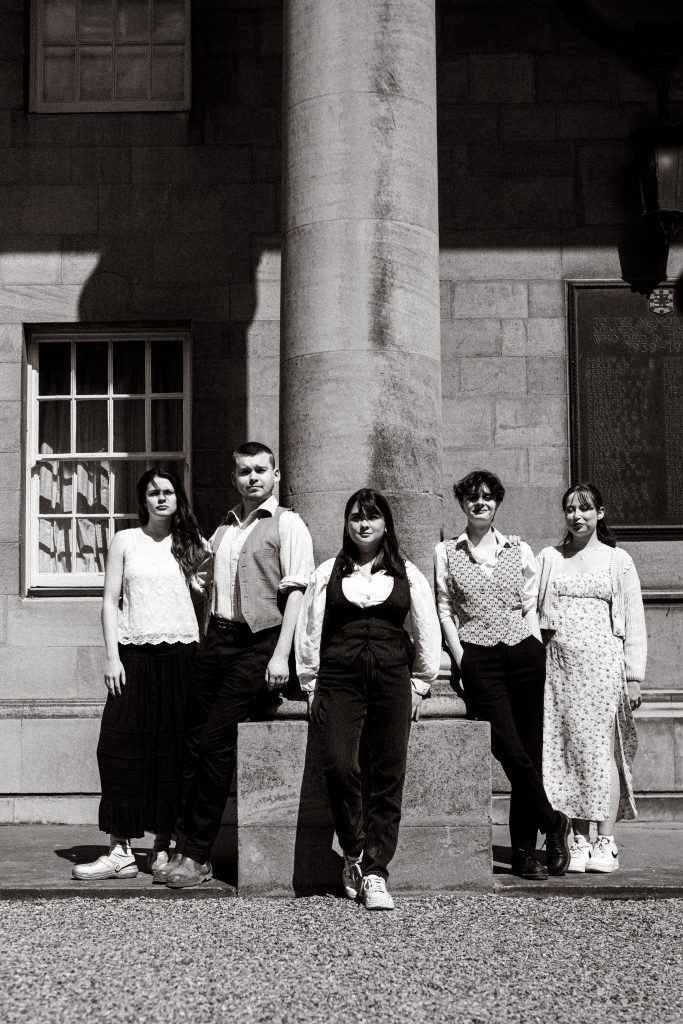
The show’s focus on the impact Polidori had on the vampire genre, and the mistreatment of both him and Claire Clairmont, offers a new perspective on the summer and the literary greats who were present. Polidori narrates the events as they are told in his diary, playing his role as both a member of the group and as the one documenting everything that occurred during the summer of 1816. His solo song, ‘The Vampyre’, explores in great depth how his relationship with Byron inspired the creation of his novel.
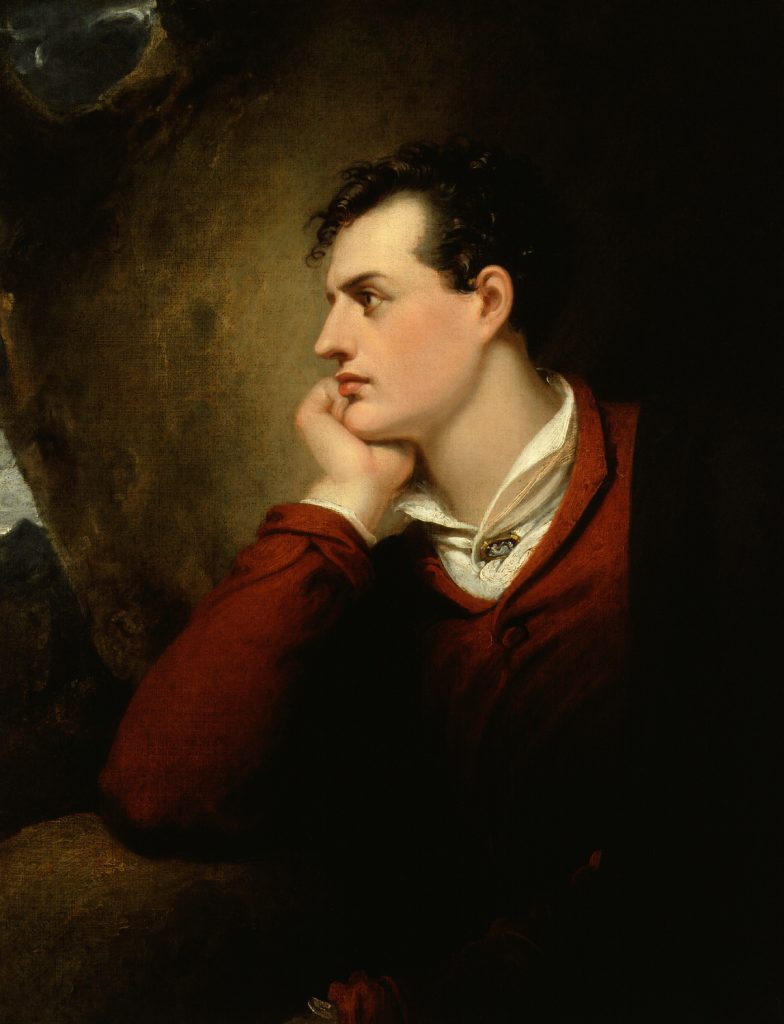
The writing of the Romantics plays a central role in 1816 and is adapted both into the script and into various songs throughout the musical. An extract from Byron’s poem ‘To Thomas Moore’ is sung as a toast with Percy Shelley. Claire’s ballad is structured as if it is a letter to Byron and is made up of various snippets from her actual writings. The music itself takes inspiration from multiple places, with more typically Classical sounds in the earlier songs, including a strong Mozart and Beethoven influence for the opening. As the tension rises, more Romantic sounds are used, such as the Rachmaninoff-esque, heavy textures in Frankenstein, and rhythms similar to those of composers such as Liszt, who himself was greatly influenced by Byron’s poetry.
1816 is being performed at Theatro Technis in Camden, London, at 9pm on the 6th and 7th August 2025, with further runs in London in late September, and Cambridge in mid-October. The link below contains tickets and more information about the show:
https://www.theatrotechnis.com/whatson/1816%3A-the-year-without-a-summer
Discover more from Open Graves, Open Minds
Subscribe to get the latest posts sent to your email.
